
Trucks For Sale Near Lubbock, Texas
Browse trucks for sale in Lubbock, TX, including day cabs, sleepers, vocational and heavy-duty trucks with popular engine and axle specs.
Learn more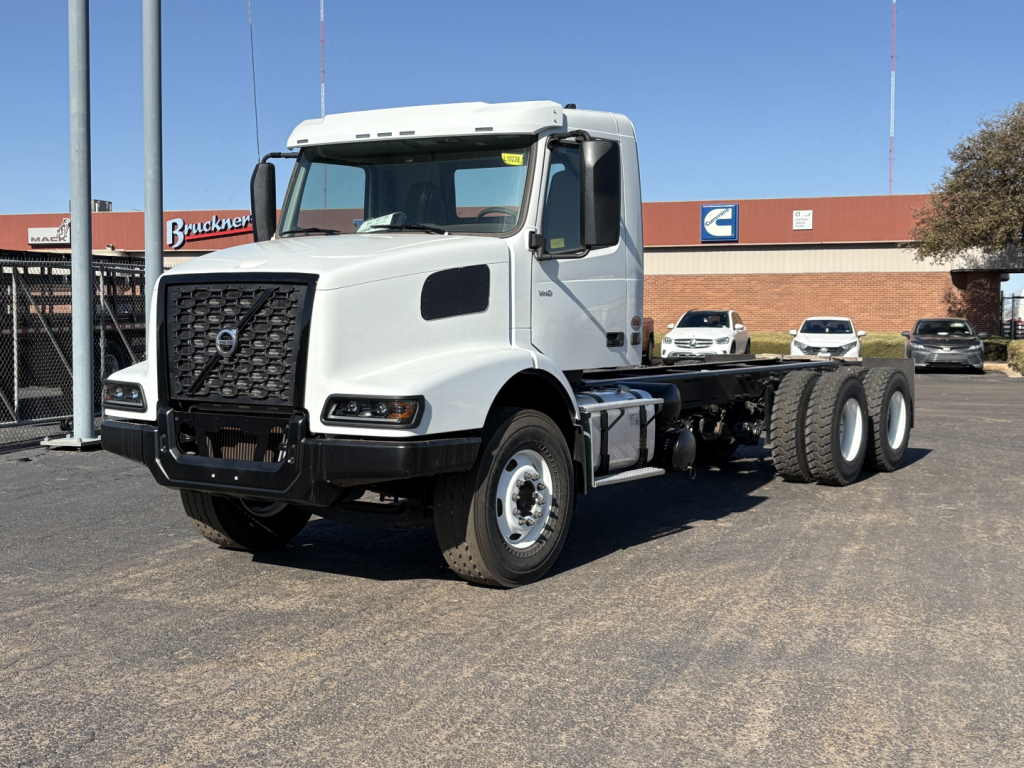
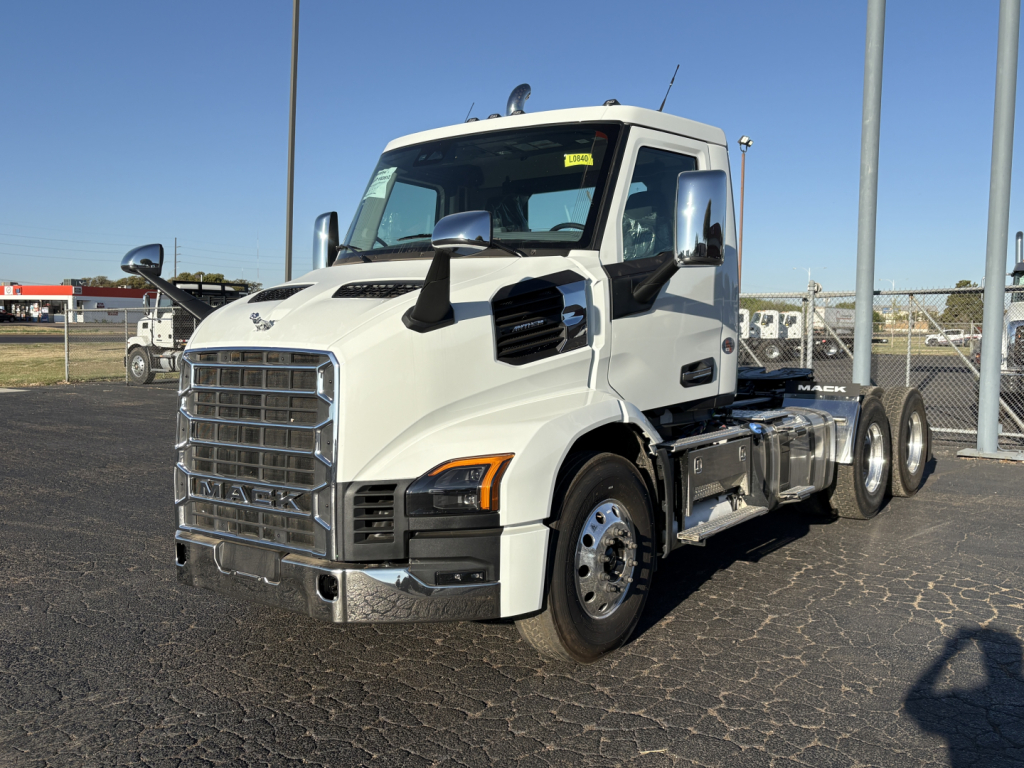
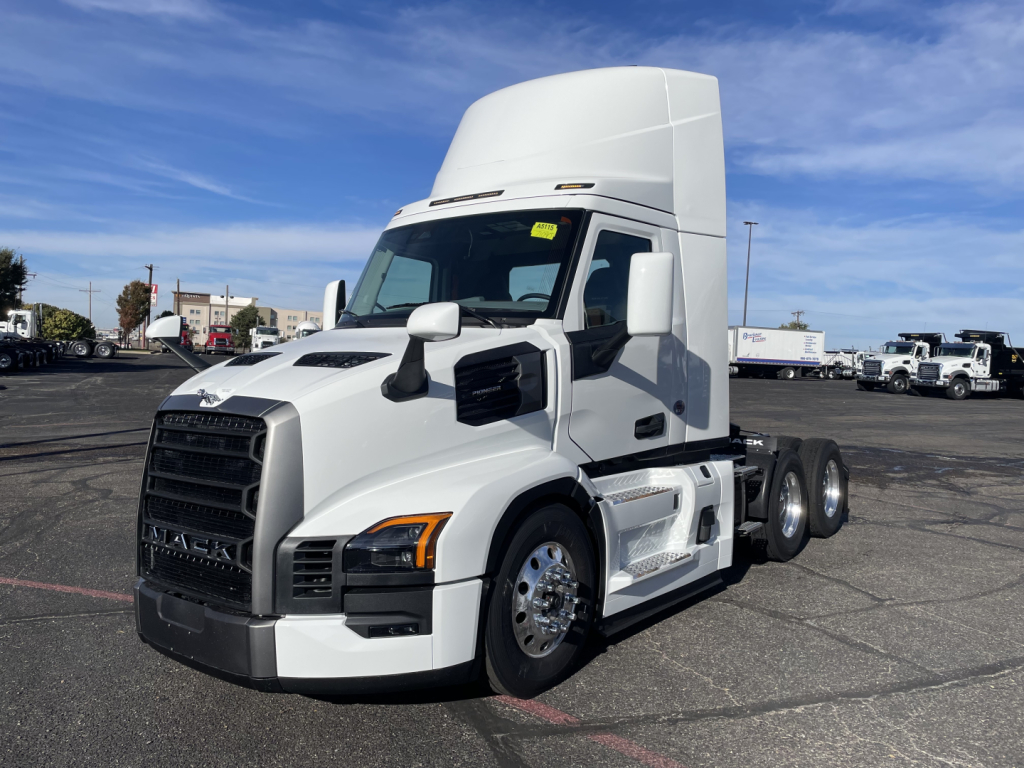
Showing 13 to 15 of 15 results
Have truck to sell? List it here to reach thousands of buyers.
About Trucks Near Lubbock, Texas
For highway tractors, the biggest buying decisions usually come down to cab configuration, engine rating, transmission type, and rear axle ratio. Day cabs are common for short-haul, plant-to-plant, and regional freight where lower weight and tighter overall length help. Sleeper trucks make more sense for over-the-road lanes, oil patch support, or longer dispatch cycles where driver comfort and interior storage affect uptime. Buyers comparing specs will often see engines such as the Cummins X15, Mack MP8 or MP13, and Volvo D11 paired with automated manual transmissions like the Endurant, mDrive, or I-Shift, typically in 12- or 13-speed configurations. Lower rear ratios such as 2.79 favor fuel economy on highway runs, while deeper ratios like 3.79, 5.38, or 5.57 are better suited to pulling, starting heavy, or vocational work at lower road speeds.
Vocational and severe-duty trucks in this market are often set up around application first. Oil field winch trucks, agricultural chassis, and heavy service trucks may use spring suspension or severe-service rear suspensions like Camelback or T-Ride for durability under rougher conditions, while linehaul tractors commonly use air ride for ride quality and freight protection. Front axle ratings can range from around 12,000 pounds on lighter Class 8 and Class 7 configurations to 18,000 or 20,000 pounds and above on heavier vocational setups. Tandem rears at 40,000 to 46,000 pounds are common, and wheelbase becomes important when body length, bridge law, turning radius, and weight distribution all have to work together. Buyers in Lubbock should also pay attention to frame rail thickness, fifth wheel type, locking differentials, PTO compatibility, and suspension spacing if the truck will be built out for specialized service.
Used versus new is another practical decision in this category. A newer truck can offer emissions compliance, warranty support, updated safety systems, and factory-integrated technology, while a used truck may deliver a lower acquisition cost and faster return if the spec is already proven for the job. In either case, smart buyers look past appearance and focus on GVWR, axle configuration, service history, engine family, transmission calibration, tire and brake condition, and whether the truck’s gearing matches its intended route profile. In West Texas service, durability, cooling performance, fuel capacity, and drivetrain spec usually matter more than cosmetic options.
Frequently Asked Questions
What type of truck is best for work in Lubbock and West Texas?
The best truck depends on the job cycle. Regional freight and local trailer moves usually fit a conventional day cab with a fuel-efficient rear ratio and air ride suspension. Long-haul routes often justify a mid-roof or full sleeper for driver comfort and storage. Oil field, agriculture, and jobsite service typically require a vocational chassis with heavier front axle ratings, deeper rear ratios, locking differentials, and a more durable suspension such as multi-leaf, Camelback, or T-Ride.
How important is rear axle ratio when buying a truck?
Rear axle ratio has a direct effect on startability, cruise RPM, fuel economy, and application fit. Lower numerical ratios such as 2.79 are common in highway tractors that spend most of their time at road speed. Higher numerical ratios such as 3.79, 5.38, or 5.57 are more appropriate for heavy pulling, off-road use, PTO work, and stop-and-go vocational service. A truck can have strong horsepower and still be poorly matched to the job if the gearing is wrong.
Should I choose a day cab or a sleeper truck?
A day cab is usually the better fit for local, regional, and dedicated operations where the truck returns regularly and lower curb weight matters. A sleeper truck makes more sense for over-the-road lanes, irregular dispatch, and applications where rest space, storage, and driver retention are important. The choice also affects wheelbase, weight, maneuverability, and sometimes resale demand depending on the market.
What specs matter most on a vocational truck?
On a vocational truck, buyers should focus first on axle ratings, frame strength, suspension type, wheelbase, gearing, and PTO or body compatibility. Front axle capacity is especially important on trucks carrying equipment or operating with heavy front-end loads. Suspension design matters because air ride, multi-leaf, Camelback, and severe-service packages all behave differently under load and in rough terrain. Differential locks, tire spec, and transmission setup also affect how well the truck works off pavement or in soft ground.
Is a used truck a good value compared to a new truck?
A used truck can be an excellent value if the drivetrain spec matches the application and the maintenance history is solid. Buyers should review engine hours, idle time, service records, brake and tire condition, emissions system history, and any signs of frame or suspension fatigue. A new truck generally brings warranty coverage, current emissions compliance, and more current safety and telematics features, which can be important for fleets trying to control downtime and standardize maintenance.