
Used International Landscape Trucks For Sale
Browse used International landscape trucks built for mulch, debris, and material hauling with dump bodies, PTO hoists, and contractor-friendly specs.
Learn more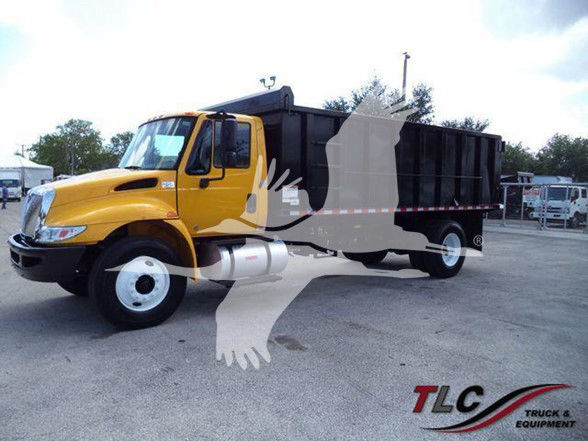
Have used international landscape truck to sell? List it here to reach thousands of buyers.
About Used International Landscape Trucks
The first buying decision is usually chassis rating and body size. Many used International landscape trucks in this class are set up around a 26,000 lb GVWR, which keeps the truck in a non-CDL configuration in many applications when properly spec'd and loaded, though actual licensing and legal operation depend on local rules and final truck weight. Common setups include single-axle 4x2 trucks with diesel engines, automatic transmissions, air brakes, and either spring or air ride suspension. Buyers should pay close attention to body length, side height, hoist capacity, floor thickness, rear door design, and hitch equipment. An 18-foot body with 48-inch to 54-inch sides is a common contractor spec because it balances volume, wheelbase, and maneuverability in tighter residential or commercial work.
International is a strong fit for landscape fleets because parts support is broad, service access is generally straightforward, and the chassis tends to adapt well to dump body upfits. On used units, inspect PTO engagement, hydraulic hoist operation, hinge points, crossmembers, rear sill, tarp system, and any corrosion around the floor and lower side panels. If the truck has a trailer hitch and electric brake provision, confirm rated towing capacity and check for frame reinforcement and wiring condition. Cab condition matters more than many buyers expect on route-based landscape work, since crews spend long hours in and out of the truck, so items like seat wear, HVAC performance, visibility, and transmission behavior should be part of the evaluation.
A good used International landscape truck should match the material you haul most often, not just the biggest body available. Light-volume operations may prioritize cubic capacity and side height, while harder-use fleets hauling heavier aggregate, wet debris, or mixed loads should focus on payload margin, hoist durability, brake condition, and axle ratings. If your work includes residential neighborhoods, wheelbase, turning radius, and rear door access can matter as much as engine spec. The best value is usually a truck with a solid medium-duty chassis, a body sized for the route, and a dump system that cycles reliably every day.
Frequently Asked Questions
What is a landscape truck and how is it different from a standard dump truck?
A landscape truck is typically a medium-duty dump truck with a high-volume body designed to haul bulky, lighter materials such as mulch, leaves, brush, and yard waste. Compared with a standard contractor dump truck, a landscape body usually has taller sides, more cubic capacity, and rear door configurations suited to debris handling rather than dense aggregate. Many buyers use the terms landscape dump truck, high-side dump truck, and trash dump truck interchangeably, although exact body design can vary by upfitter.
Is a used International landscape truck commonly non-CDL?
Many used International landscape trucks are built at 26,000 lb GVWR, which is a common non-CDL target for commercial buyers. That said, CDL requirements depend on the truck's actual GVWR, GCWR, trailer combination, state regulations, and how the vehicle is operated. Buyers should verify the door tag, registration class, and any towing plans before assuming a truck can be run without a CDL.
What should I inspect on a used International landscape dump body?
Focus on the body structure and hydraulic system as much as the engine and transmission. Check the floor for rust-through, patching, and oil-canning; inspect side walls, rear posts, hinges, crossmembers, and the rear sill for fatigue or cracking; and cycle the PTO and hoist to confirm smooth lift and controlled lowering. It is also smart to inspect the tarp, rear door latch system, hitch area, electrical connections, and any signs that the body has been overloaded regularly.
What body size works best for landscape work?
An 18-foot body with tall sides is a common setup because it gives strong cubic capacity without making the truck too difficult to maneuver. The right size depends on your material mix and route conditions. Crews hauling mulch, leaves, and brush often favor taller sides and maximum volume, while operators carrying heavier wet debris or dense material need to pay closer attention to payload, axle ratings, and hoist performance so the truck is not volume-rich but weight-limited in daily use.
Why do buyers look for automatic transmissions and air brakes on International landscape trucks?
Automatic transmissions reduce driver fatigue and are practical for stop-and-go commercial work with frequent backing, loading, and dumping. Air brakes are common on medium-duty landscape trucks because they provide durable braking performance under load and are well suited to repeated jobsite cycles. Buyers should still inspect brake chambers, slack adjusters, air system condition, and transmission shift quality on any used truck, since wear items can affect both safety and operating cost.