
Trucks For Sale Near Jonesboro, Georgia
Browse trucks for sale in Jonesboro, GA, including day cabs, sleeper semis, and yard tractors with specs for regional, local, and long-haul work.
Learn more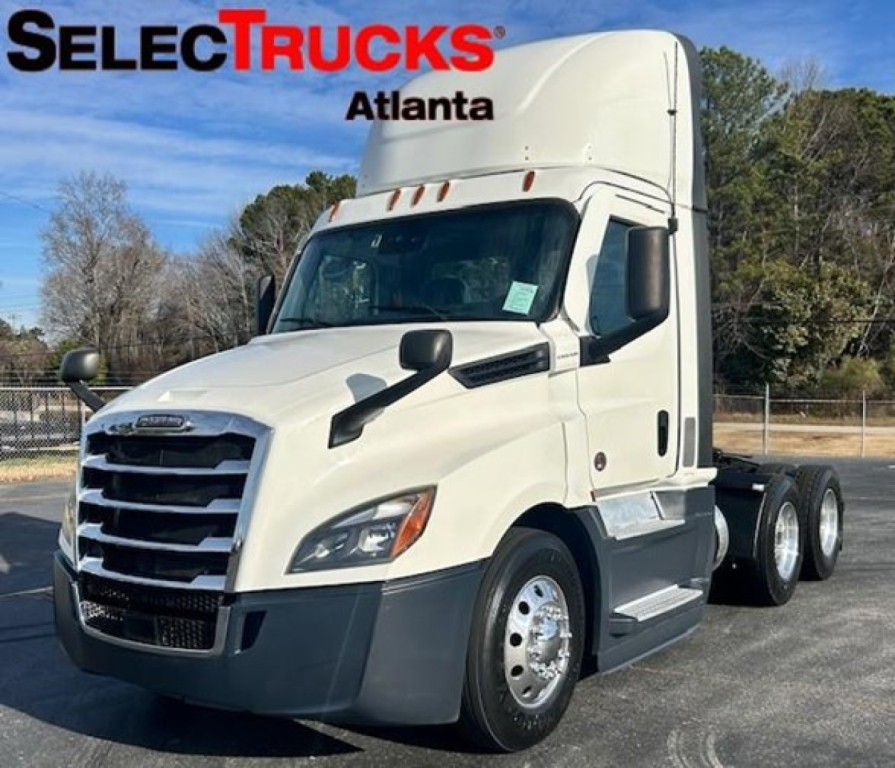
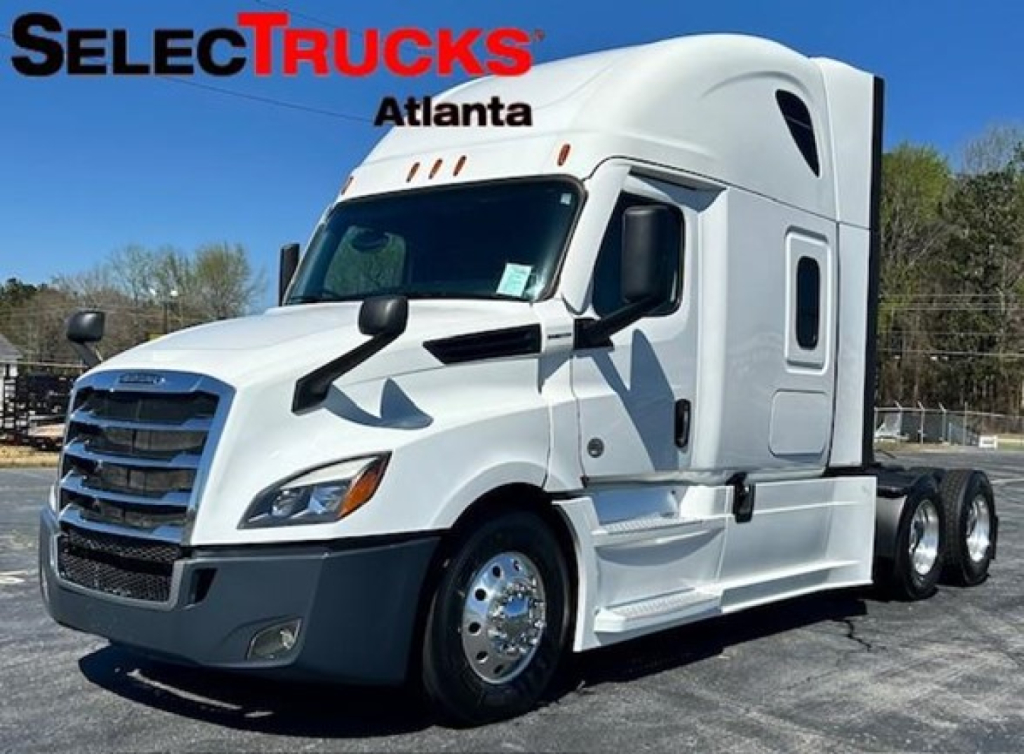
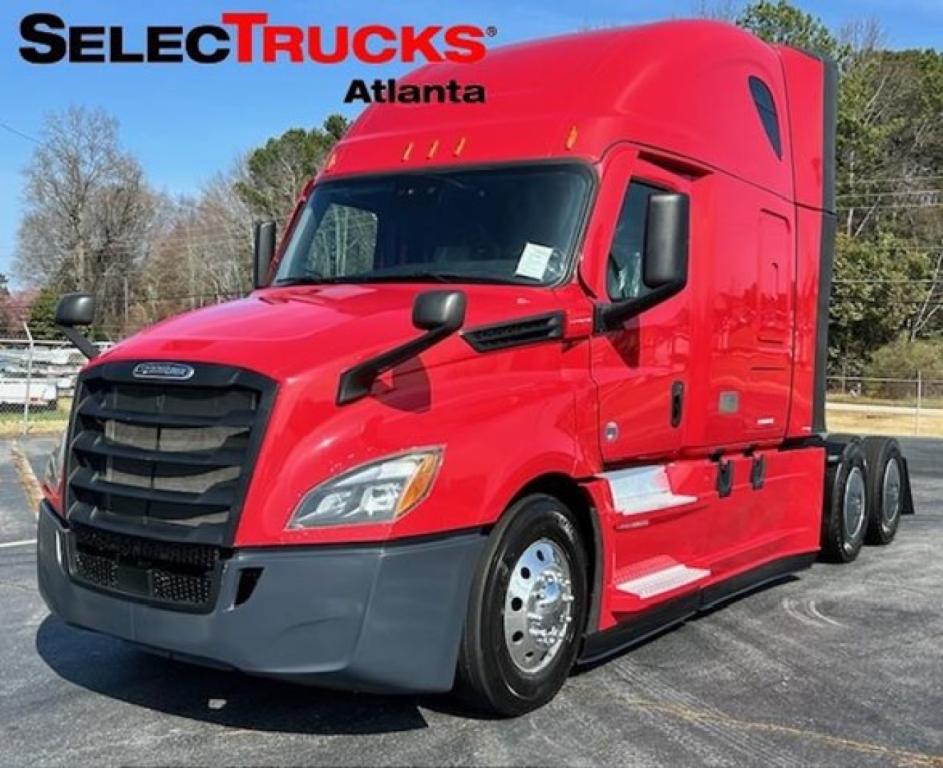
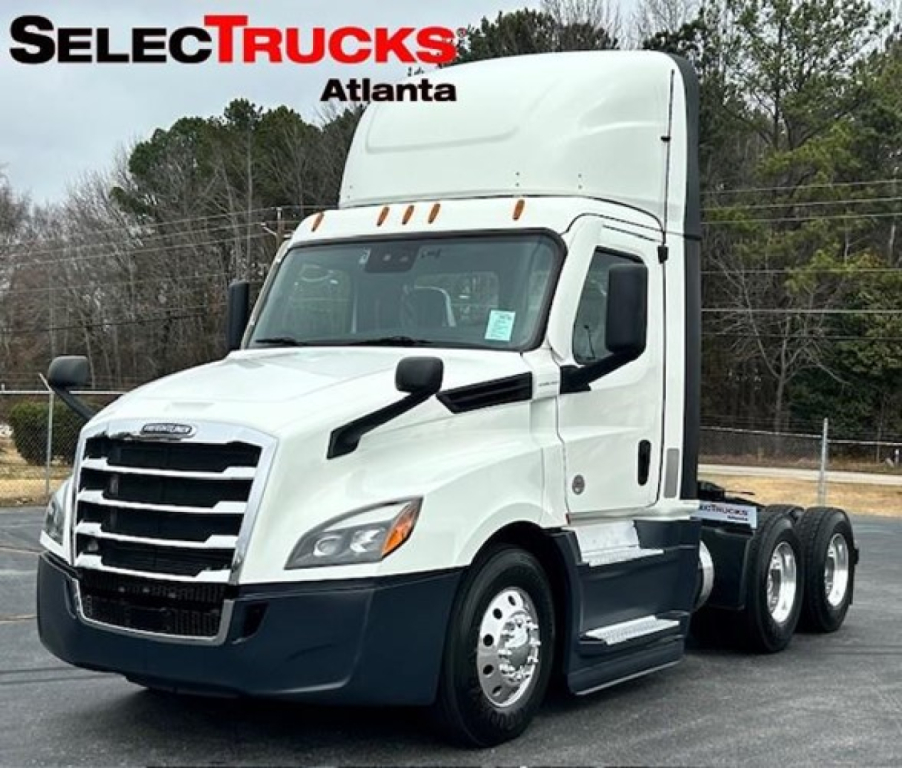
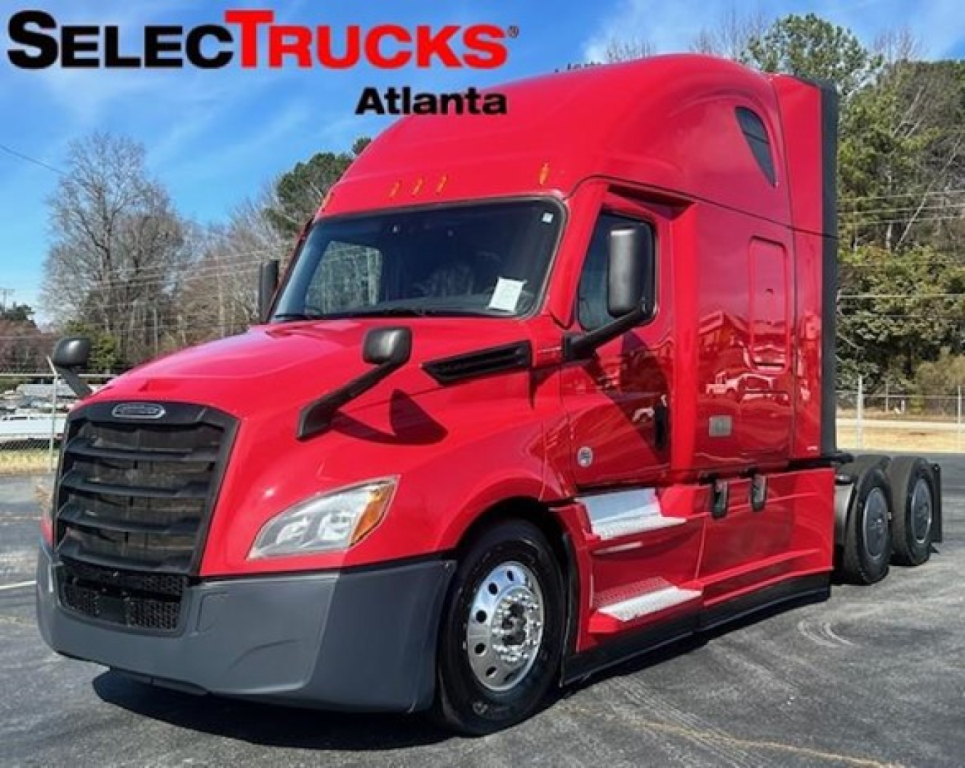
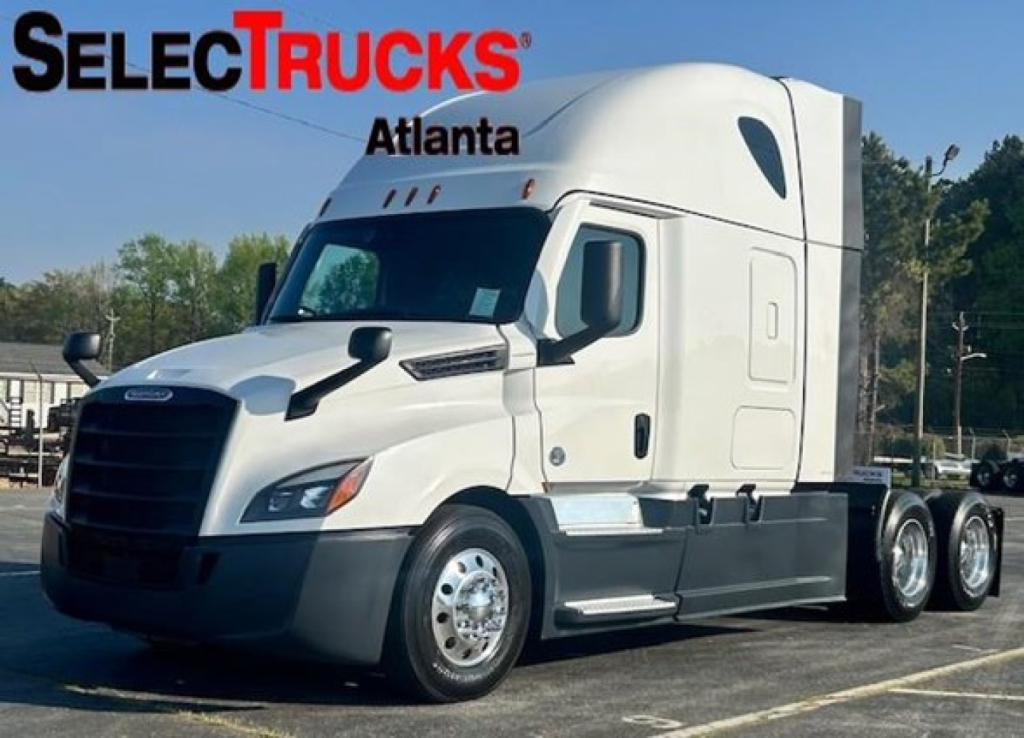
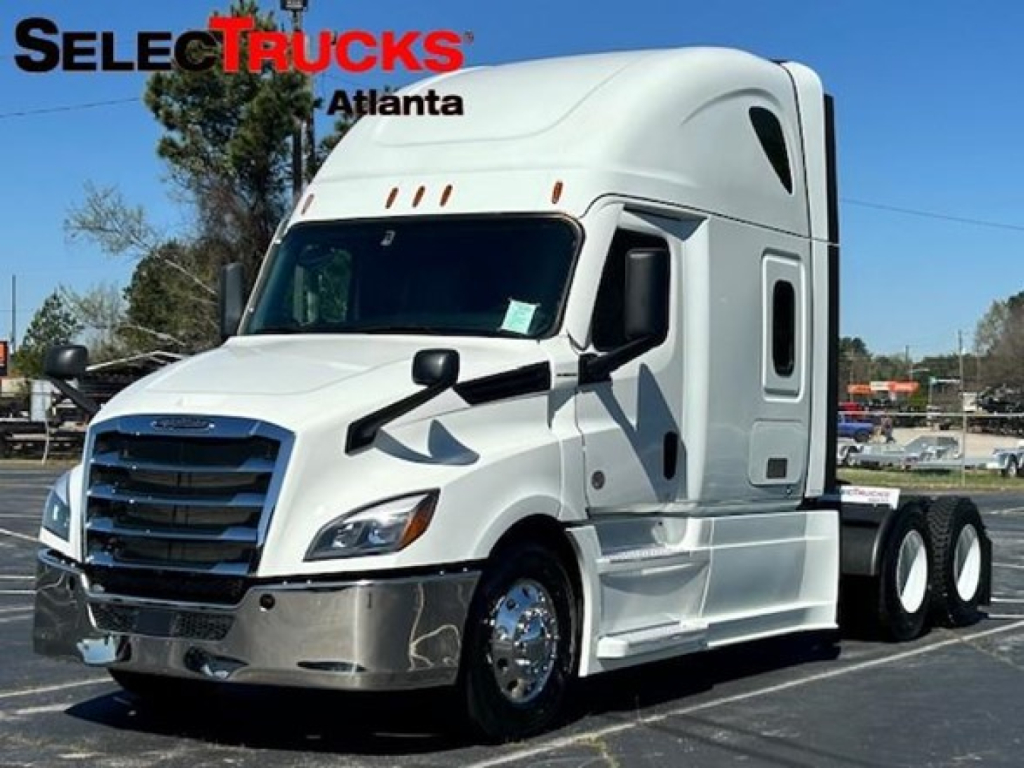
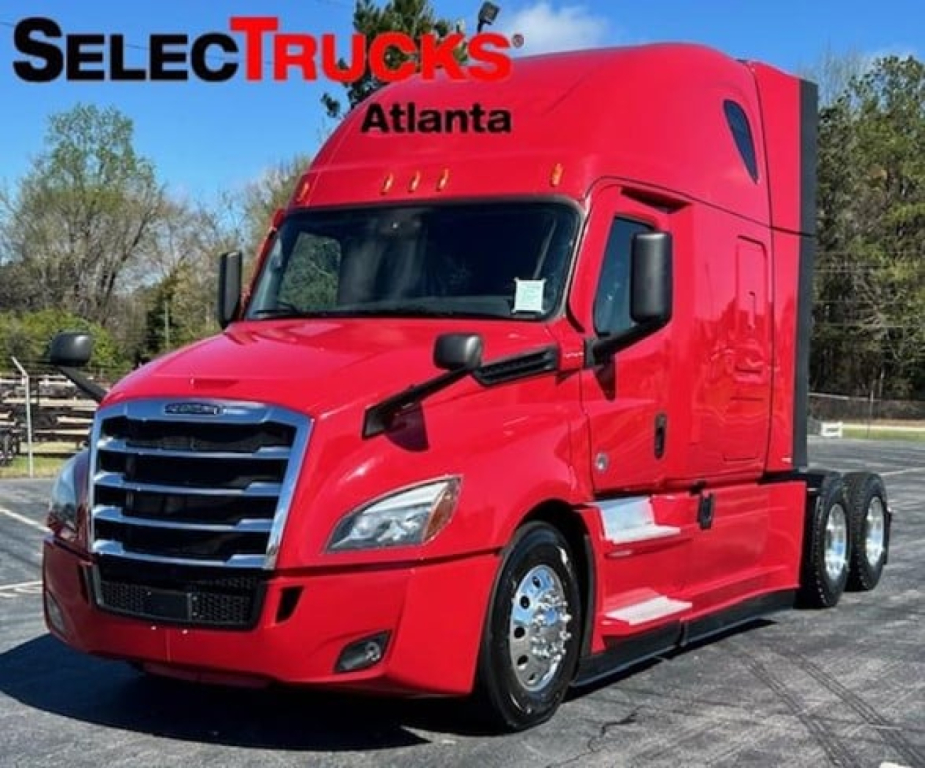
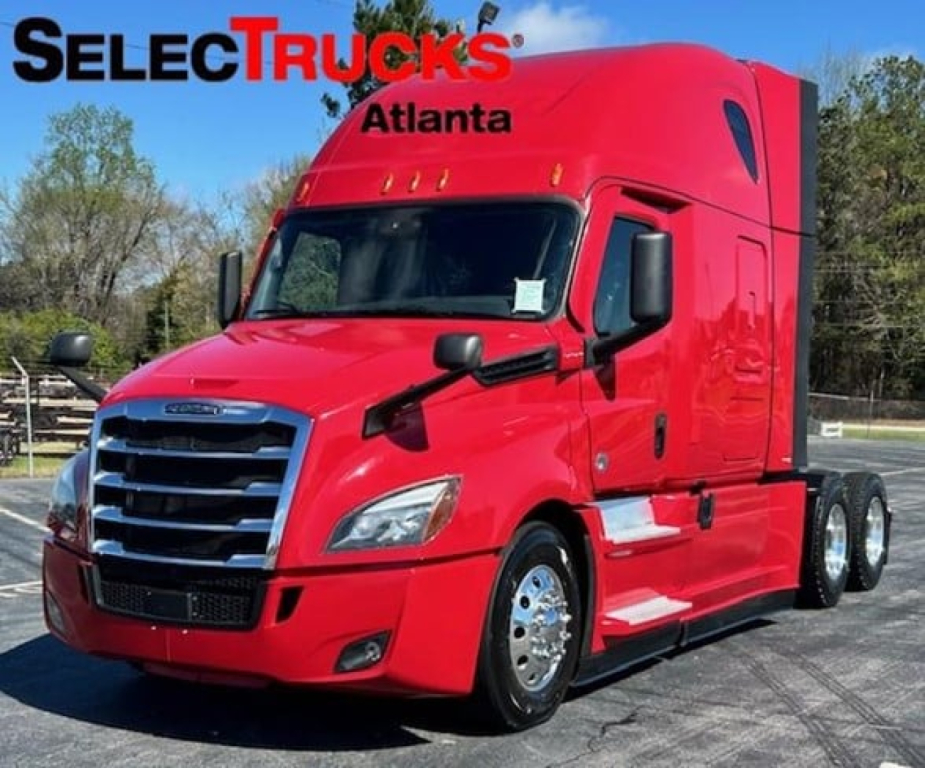
Showing 49 to 60 of 90 results
Have truck to sell? List it here to reach thousands of buyers.
About Trucks Near Jonesboro, Georgia
On highway tractors, engine and transmission pairing tells you a lot about the truck’s intended use. Late-model fleet specs often center on Detroit DD13 and DD15 or Cummins X15 diesel engines, commonly backed by automated manual transmissions such as the DT12, though some buyers still prefer a manual for service familiarity or driver preference. Horsepower in this class typically runs from the low 400s into the 500 range, while rear axle ratios like 2.28, 3.07, or 3.55 can shift the truck toward fuel economy, mixed-route flexibility, or heavier startability. Single-axle 4x2 tractors can be a strong fit for LTL, P&D, tanker, or dedicated van work where bridge laws and gross combination weight are controlled. Tandem-axle 6x4 sleepers remain the standard for general freight and heavier over-the-road lanes. Suspension type, fifth wheel style, brake spec, and wheelbase all affect how the truck will perform with your trailers and in your operating environment.
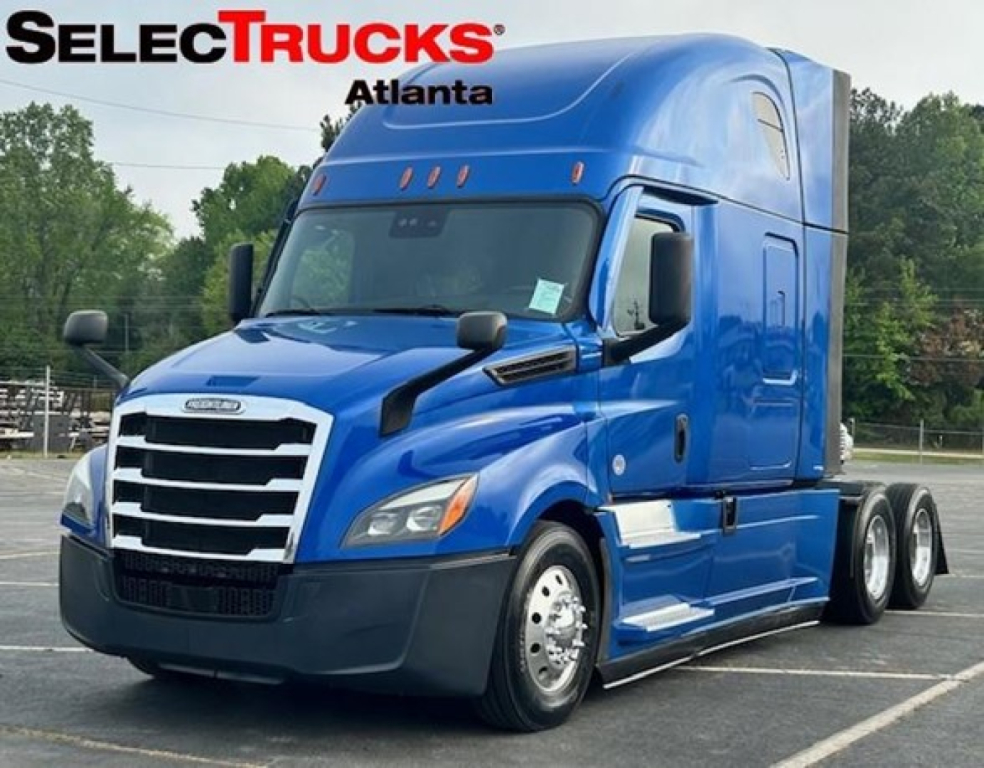
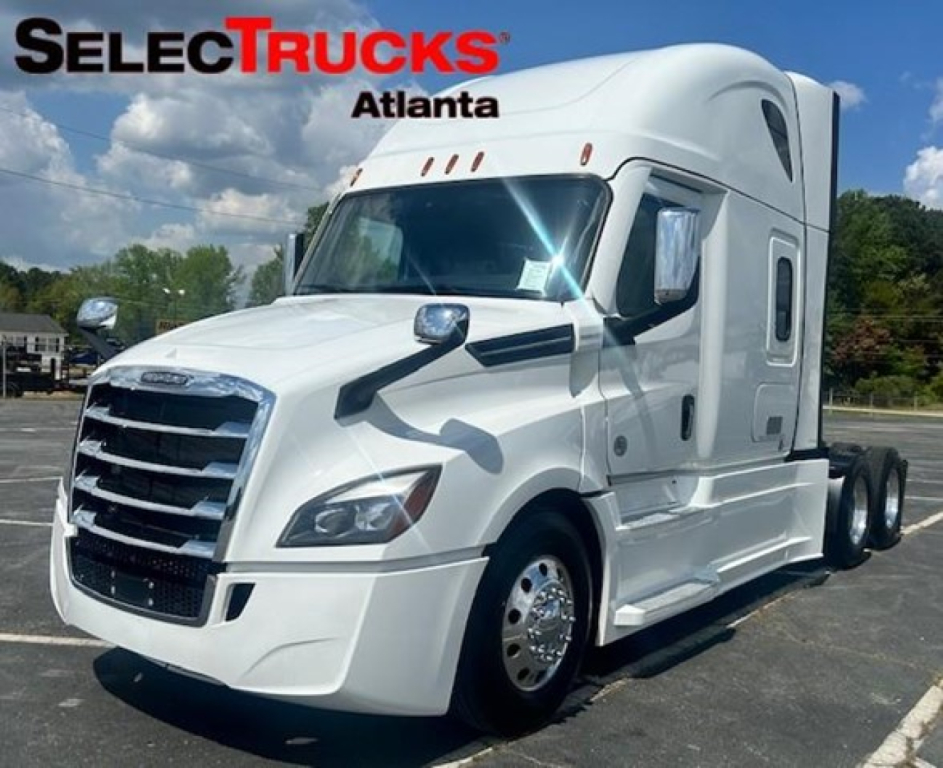
Cab and safety equipment deserve close attention because they change total operating cost, not just driver comfort. Many newer trucks in this segment include collision mitigation systems, engine brakes, heated mirrors, cruise control, and power accessories as standard fleet features. Raised-roof sleepers in the 72- to 73-inch range are common for teams and solo drivers who stay out multiple days, and options like refrigerator cabinets, bunk heaters, and APUs can make a major difference in idle reduction and retention. Tire size, low-profile versus standard rubber, and brake type, including drum or disc, also affect maintenance planning. Buyers running Southeast lanes around metro Atlanta often prioritize aerodynamic fairings, fuel capacity, and service network access because stop-and-go congestion and regional linehaul can expose weak specs quickly.
For used trucks, the smart comparison is application fit first, mileage second. A well-maintained fleet-spec sleeper with a documented powertrain and a fuel-efficient ratio can outperform a lower-mile truck that was spec'd for the wrong duty cycle. Check front and rear axle ratings, verify transmission model, confirm if the fifth wheel is fixed or sliding, and match the wheelbase to your trailer swing and customer locations. If the truck will stay on private property, a non-road-legal yard tractor may be the right tool and usually costs far less than a highway tractor. If it needs to cover regional freight in Georgia and surrounding states, a day cab or aero sleeper with air ride suspension, diesel power, and the right gearing will be the better long-term buy.
Frequently Asked Questions
What type of truck is best for local delivery versus long-haul freight?
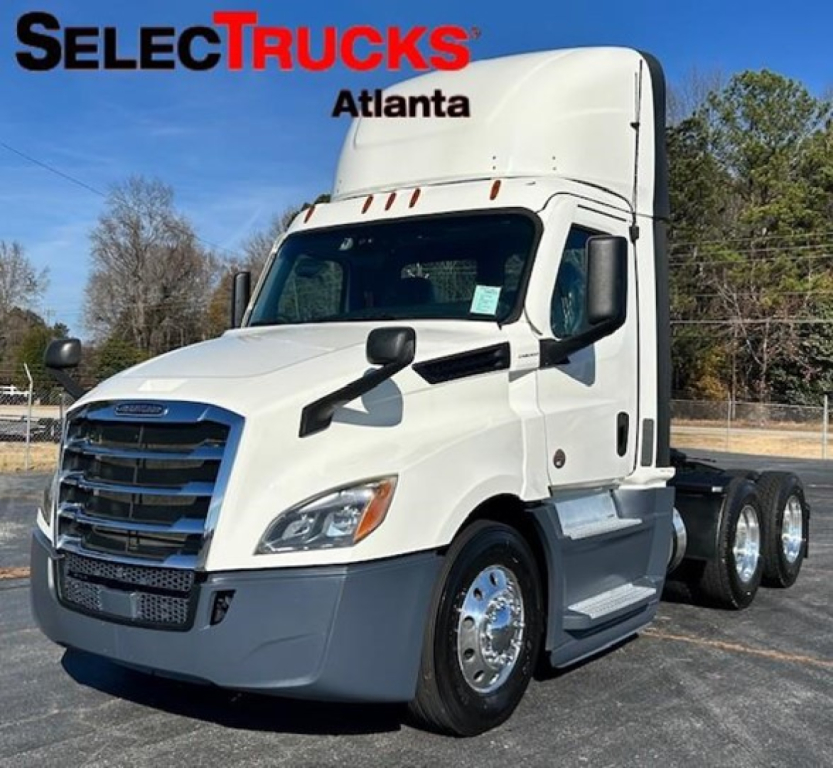
A day cab is usually the better choice for local and regional delivery because it is lighter, shorter, and easier to maneuver in tight docks and urban traffic. A conventional sleeper is the better fit for long-haul freight because it adds driver living space, larger fuel capacity, and a wheelbase designed for highway comfort and stability. The right choice depends on route length, time away from home, trailer type, and how often the truck needs to access tight customer locations.
What is the difference between a yard tractor and a highway truck tractor?
A yard tractor, also known as a terminal tractor or spotter truck, is designed for moving trailers around warehouses, ports, and industrial yards at low speeds. It typically has a short wheelbase, a specialized rear frame for quick hook-ups, and may not be road legal. A highway tractor is built for sustained road use, higher speeds, DOT compliance, and over-the-road trailer hauling. Buyers should choose a yard tractor only if the application is primarily off-road or on private property.
How important are axle configuration and rear axle ratio when buying a truck?
Axle configuration and gear ratio directly affect payload capacity, traction, fuel economy, and launch performance. A 4x2 single-axle tractor can reduce empty weight and work well in controlled-weight regional operations, while a 6x4 tandem-axle tractor is better for heavier freight and broader trailer applications. Lower numerical ratios such as 2.28 usually favor fuel economy at highway speed, while higher ratios like 3.55 improve startability and flexibility in mixed terrain or heavier loads.
Are automated manual transmissions a good choice in used semi trucks?
Automated manual transmissions are a strong choice for many fleets because they improve shift consistency, reduce driver fatigue, and can help protect the driveline from poor shifting habits. Models like the Detroit DT12 are common in late-model fleet trucks and are widely accepted in regional and over-the-road service. Buyers should still confirm maintenance history, clutch and actuator condition, and whether local service support is familiar with the transmission platform.
What sleeper size should I look for in a used sleeper truck?
Sleeper size should match the length of haul and the number of nights the driver will spend in the truck. Sleepers in the 72- to 73-inch range are common because they provide enough room for storage, rest, and features like refrigerators, cabinets, and double bunks. For teams or drivers staying out for extended periods, a raised-roof sleeper with idle-reduction equipment is usually the most practical setup. For shorter regional runs, a day cab or smaller sleeper may be more efficient and easier to operate.