
Trucks For Sale Near Jamaica, New York
Browse trucks for sale in Jamaica, New York, including day cabs, sleepers, tow trucks, and vocational units with common specs and buyer insights.
Learn more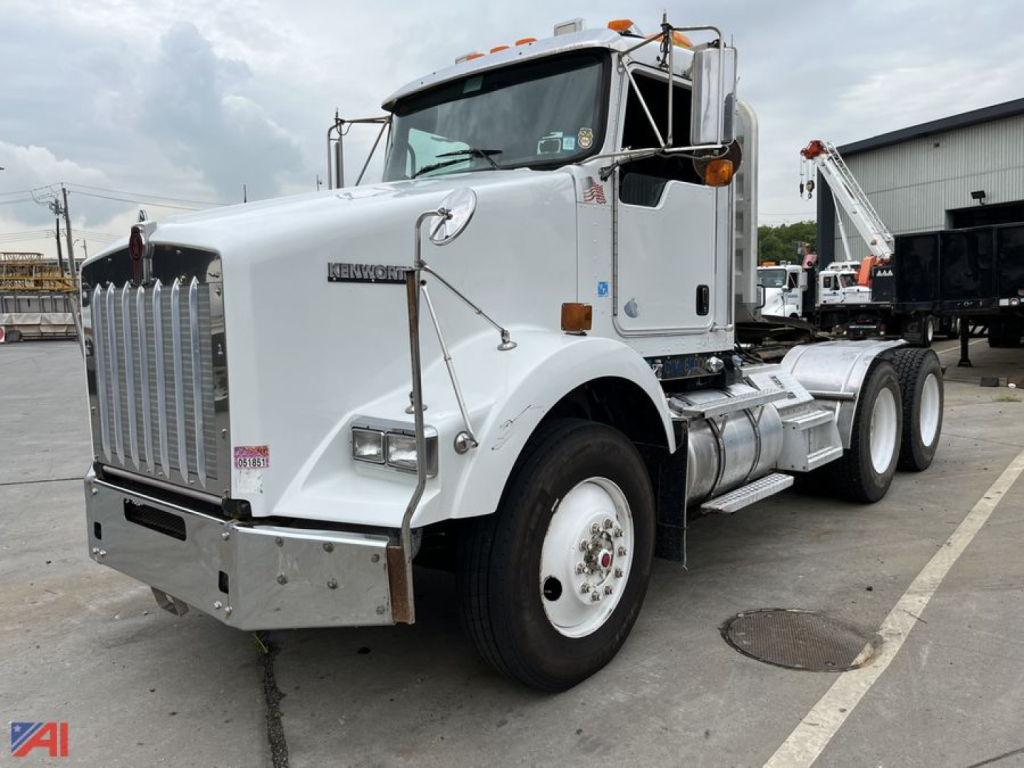
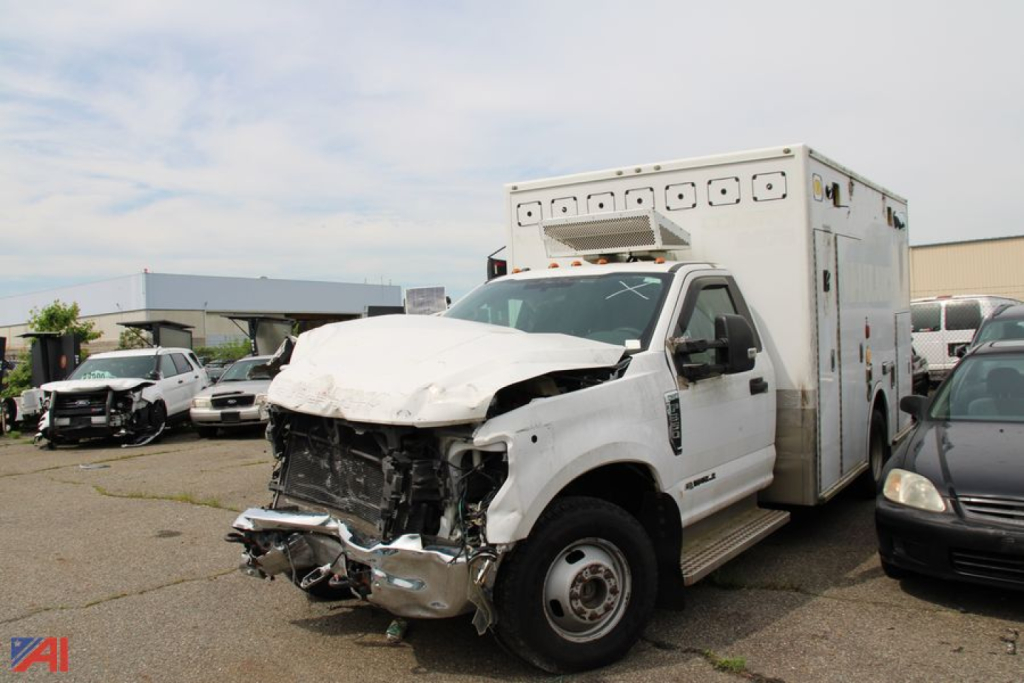
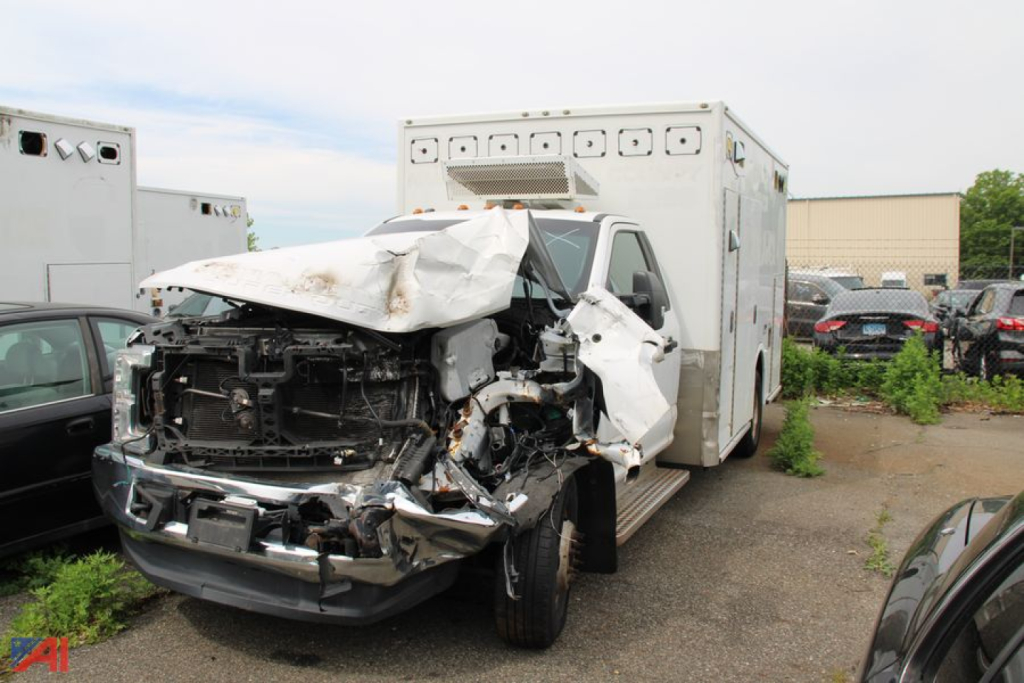
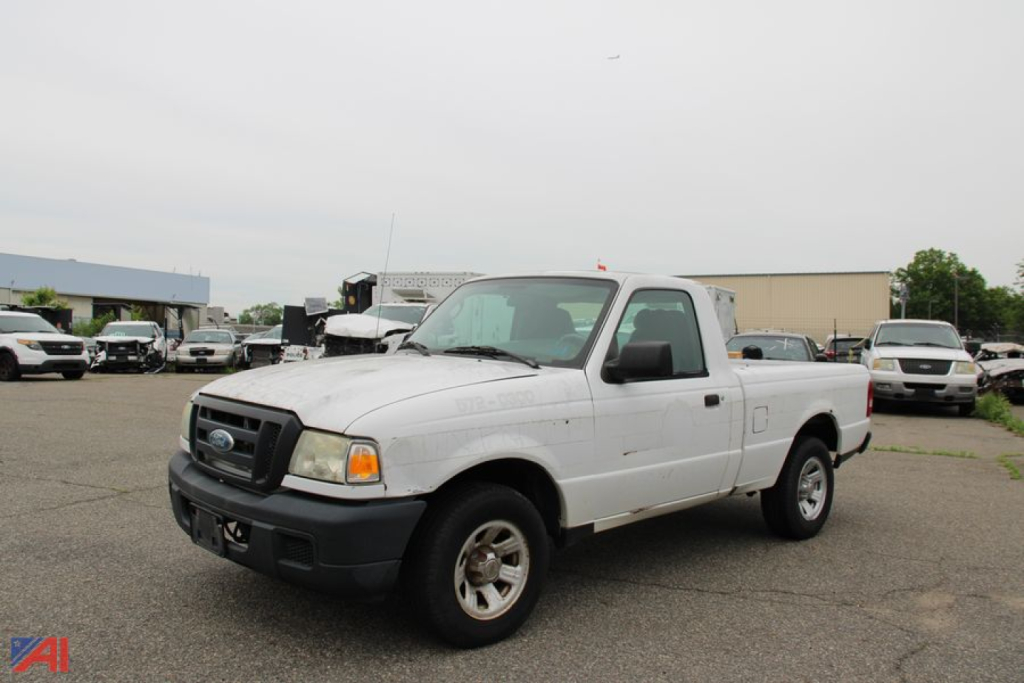
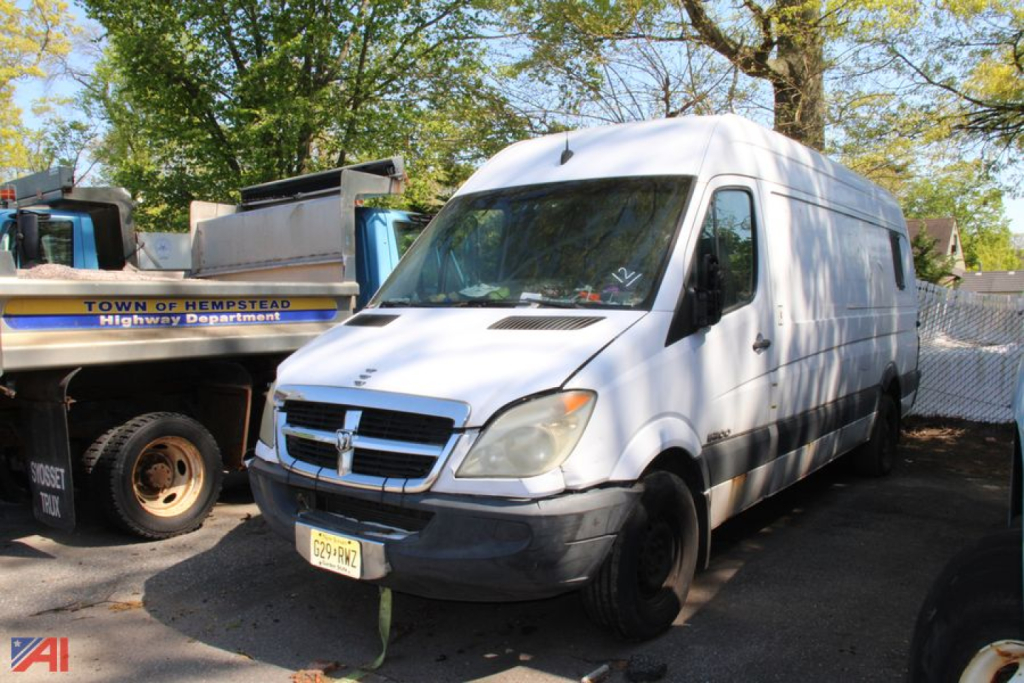

Showing 13 to 24 of 27 results
Have truck to sell? List it here to reach thousands of buyers.
About Trucks Near Jamaica, New York
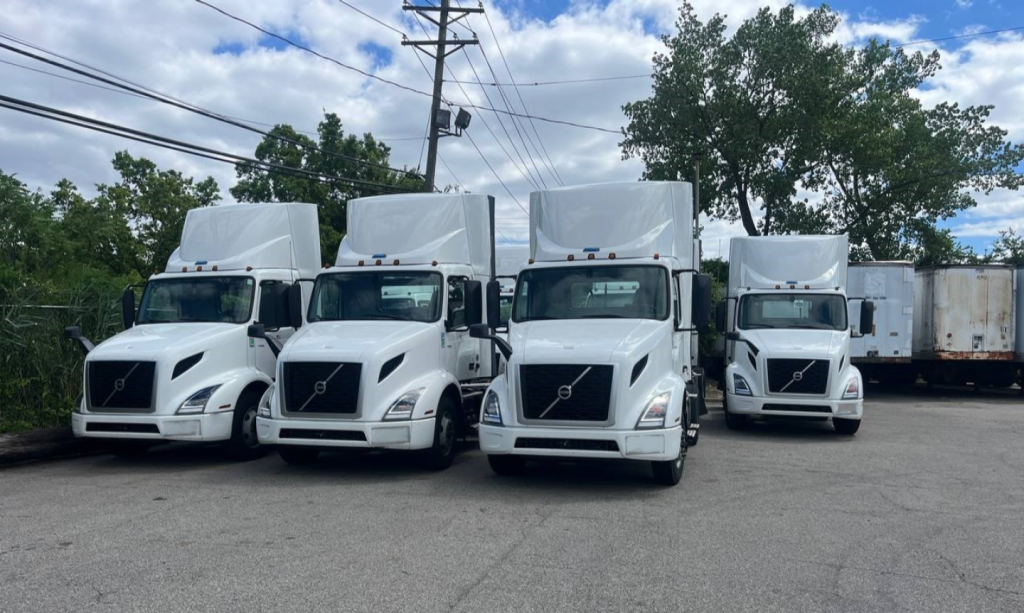
For over-the-road and regional work, conventional sleeper trucks remain the backbone of the used market. Buyers typically compare 6x4 tandem axle specs, horsepower in the mid-400 to 500 range, automated or manual transmissions, air ride suspension, sleeper size, and fuel capacity. A day cab can be the better fit for port drayage, short-haul freight, container work, and dedicated local routes where lower tare weight, tighter turning, and easier yard movement matter more than onboard living space. In the Northeast, wheelbase, fifth wheel position, front axle rating, and overall maneuverability carry extra weight because urban streets, warehouse approaches, and toll road routing can punish the wrong setup. Trucks with documented maintenance, recent brake and suspension work, good rubber, and a clean dash with no active warning lights generally deserve closer attention than cosmetic upgrades.
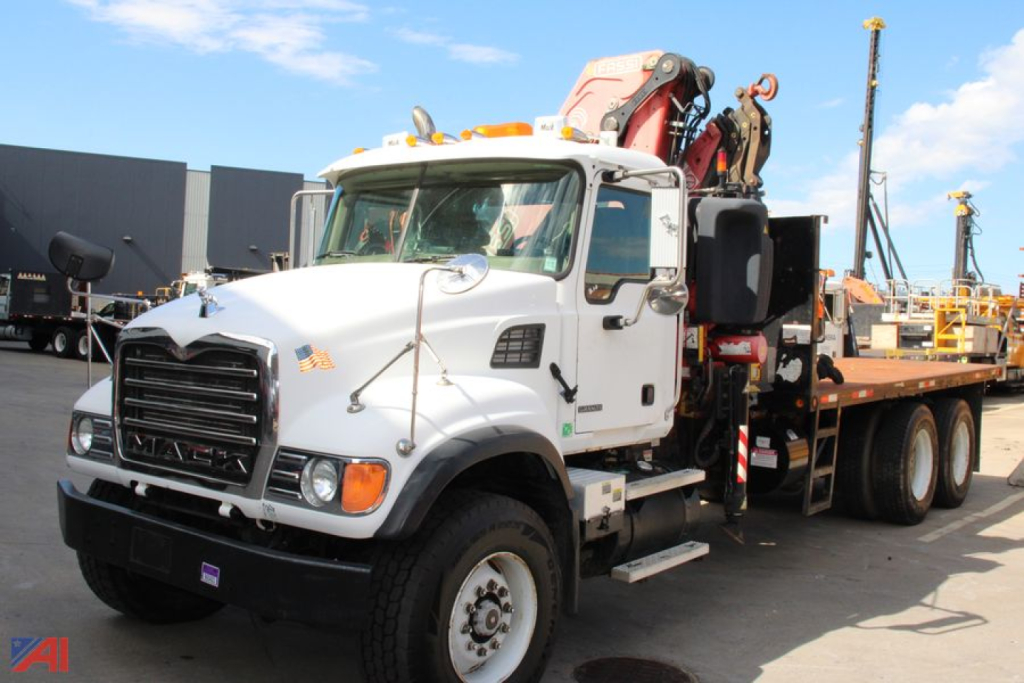
Powertrain choice affects uptime and operating cost more than almost anything else in this class. Common engines in the market include PACCAR MX, Volvo D13, Mack MP8, and Detroit platforms, often paired with 10-speed, 12-speed, or automated manual transmissions such as mDrive or I-Shift style units. Buyers should verify engine brake function, emissions system history, clutch wear on manuals, transmission calibration on AMTs, and rear axle ratio if the truck will see mixed city and highway use. If the truck is intended for heavier vocational duty, look at frame condition, PTO provisions, suspension spec, steer axle capacity, and evidence of prior body or hitch installation. For tow trucks and other specialty units, the body equipment matters as much as the chassis, including boom or wrecker capacity, hydraulic condition, winches, underlift configuration, and signs of structural repair.
A good used truck purchase comes down to application, service records, and component condition. Review the ECM data, idle hours, aftertreatment history, tire date codes, brake percentages, kingpins, bushings, driveline play, and signs of rust around cab mounts, crossmembers, and suspension hangers. In and around New York City, buyers also tend to place extra value on trucks that can handle stop-and-go traffic, tight delivery windows, and compliance-heavy operating environments. The best truck in this category is the one with the right cab, drivetrain, and axle spec for the work, backed by a maintenance history that shows it was earning miles without being run past its service needs.
Frequently Asked Questions
What is the difference between a day cab and a sleeper truck?
A day cab has no sleeping compartment and is built for local or regional work where the driver returns home or to a terminal the same day. A sleeper truck includes a bunk area behind the seats and is designed for long-haul or multi-day runs. Sleeper trucks usually weigh more and have a longer wheelbase, while day cabs are often easier to maneuver in dense urban areas such as Jamaica and the wider New York metro market.
What should I check first on a used semi truck before buying?
Start with maintenance records, engine hours, odometer miles, and any available ECM report. Then inspect the powertrain, including engine blow-by, coolant condition, transmission operation, clutch or AMT behavior, and rear axle noise. Under the truck, check suspension components, bushings, kingpins, brakes, tires, frame rails, and rust at crossmembers and mounts. A clean test drive and a truck-specific inspection are more important than fresh paint or interior cosmetics.
Which engine and transmission setup is best for regional freight?
For regional freight, many buyers prefer engines in the 425 to 500 horsepower range paired with an automated manual transmission for easier operation in traffic and consistent fuel economy. Volvo D13, Mack MP8, PACCAR MX-13, and Detroit platforms are all common choices depending on service support and driver preference. The best setup depends on gross weight, terrain, average trip length, and whether the truck spends more time backing into city docks or running steady highway miles.
Are tow trucks evaluated differently than highway tractors?
Yes. A tow truck should be evaluated as both a chassis and a piece of recovery equipment. In addition to the engine, transmission, brakes, and frame, buyers need to inspect the hydraulic system, PTO operation, boom or wrecker assembly, winches, underlift, body structure, and signs of cracking or repair around stress points. Capacity ratings and the condition of the recovery equipment are critical because they directly affect usable service range and safety.
What truck specs matter most for operating in New York City and surrounding areas?
Maneuverability, axle ratings, wheelbase, cab configuration, and drivetrain gearing matter most in this region. Trucks running in and out of tight industrial areas, ports, and city streets benefit from practical wheelbase choices and a spec that balances turning radius with legal weight capacity. Buyers should also think about stop-and-go durability, emissions compliance, and access to local dealer or independent repair support, since downtime in the New York market gets expensive quickly.