
Trucks For Sale Near Hobbs, New Mexico
Browse trucks for sale in Hobbs, NM including day cabs and dump trucks with Cummins, Volvo, and Mack power for regional and vocational work.
Learn more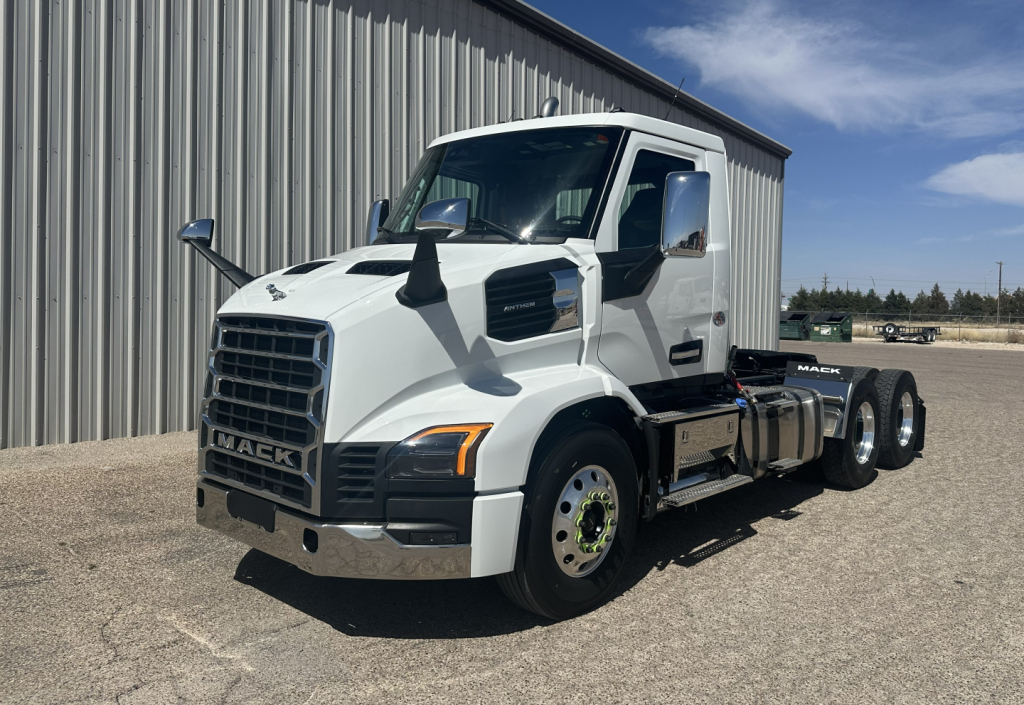
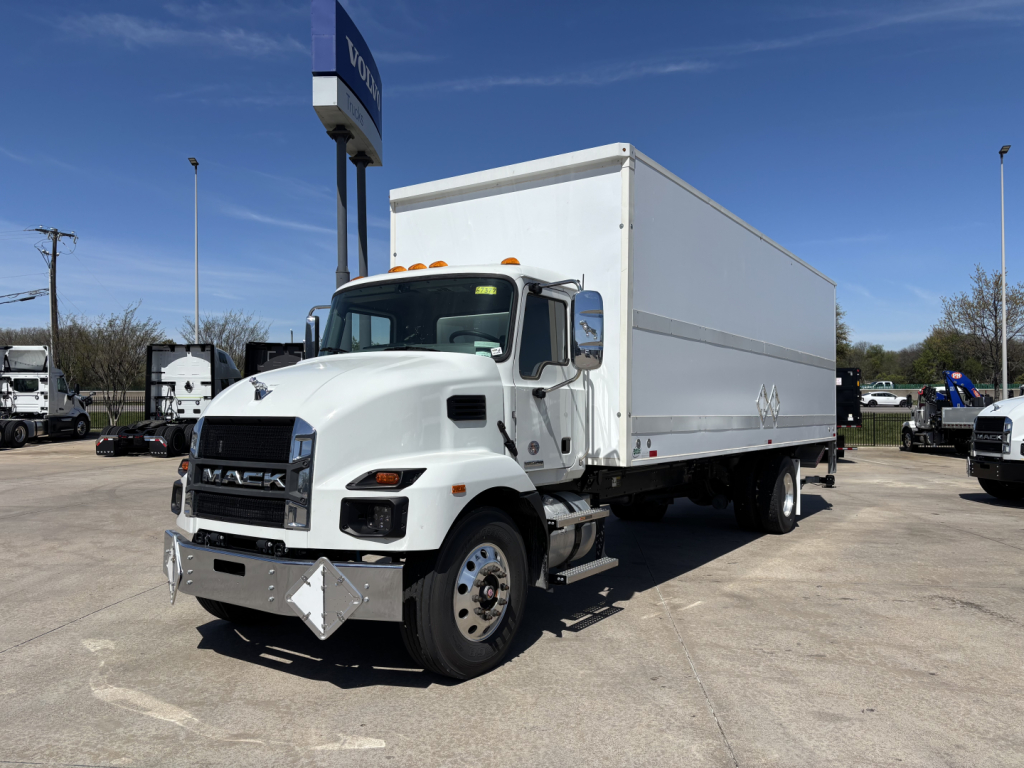
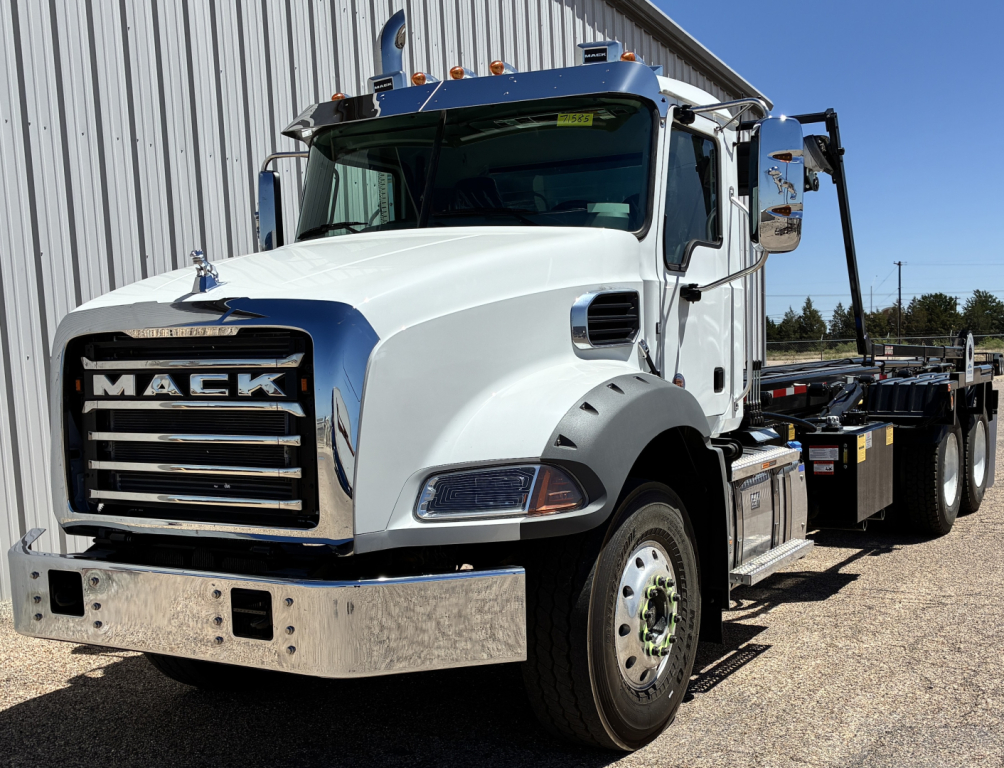
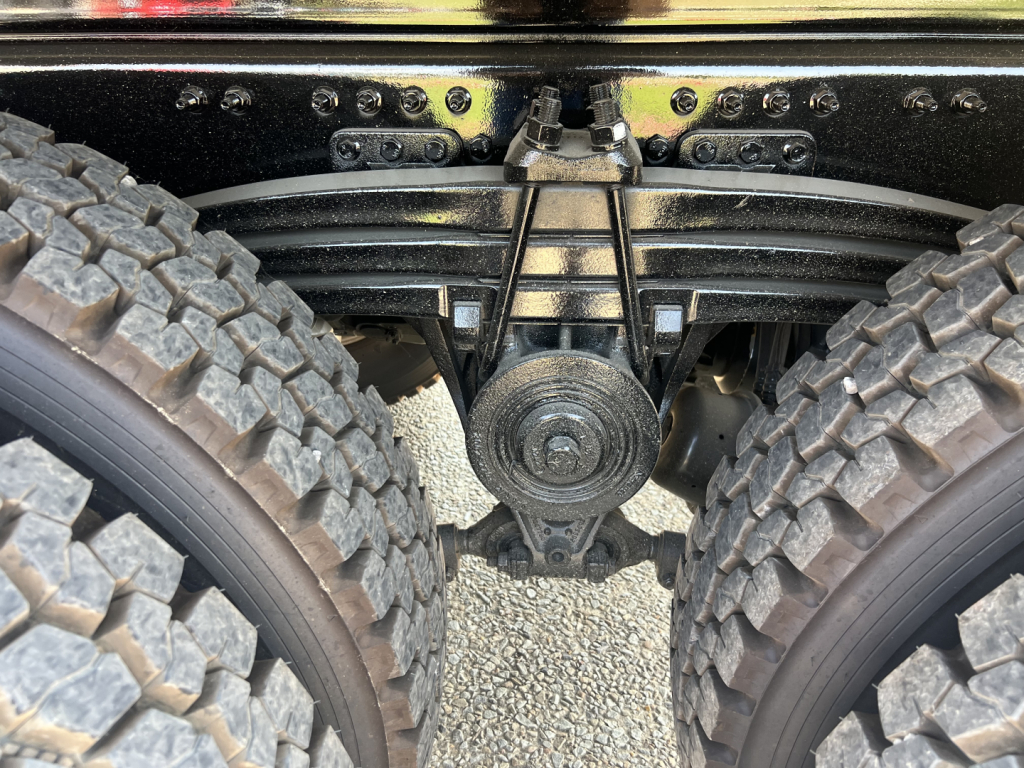
Showing 13 to 16 of 16 results
Have truck to sell? List it here to reach thousands of buyers.
About Trucks Near Hobbs, New Mexico
For highway and regional tractor applications, common specs include 12-speed automated manual transmissions, tandem rear axles rated around 40,000 pounds, and engine ratings in the 400 to 500-plus horsepower range. Popular engines in this class include the Cummins X15, Volvo D13, and Mack MP8 or MP13. Rear axle ratios such as 2.47, 2.79, and 3.25 can materially change performance. Lower numerical ratios usually favor fuel economy and road speed, while deeper ratios improve startability and help in heavier or more demanding routes. Air ride rear suspension is a frequent choice on day cabs because it improves ride quality and helps protect freight on mixed regional routes.
Vocational truck buyers should focus on upfit compatibility and duty cycle before looking at appearance or cab trim. A dump truck in this class may carry heavier front axles, 44,000-pound rear suspensions, multi-leaf setups such as Camelback, and higher GVWRs to support rock boxes, tarping systems, pintle hitches, and trailer connections. Body material matters too. Hardox or similar abrasion-resistant steel is common for aggregate, demolition, and rough material service because it stands up better to impact and wear. Wheelbase, body length, and gate design all affect maneuverability, payload balance, and how the truck performs on tight sites or uneven ground.
For buyers comparing trucks in southeastern New Mexico, it pays to look closely at engine brake performance, cooling capacity, PTO provisions, axle spread, and service access. A highway day cab needs the right combination of horsepower, torque, wheelbase, and rear ratio for its trailer weight and route profile. A vocational truck needs enough suspension, frame, and body spec to survive repeated loading cycles without becoming maintenance-heavy. The right truck is the one matched to the work, not simply the newest unit or the highest horsepower badge.
Frequently Asked Questions
What is the difference between a day cab truck and a dump truck?
A day cab is a road tractor without a sleeper, designed for local or regional hauling where the driver returns home or to a terminal the same day. It is commonly used for dry van, flatbed, tanker, or dedicated route work. A dump truck is a vocational truck built to carry and unload bulk material such as rock, sand, asphalt, or debris. It typically has heavier suspension, body equipment, and jobsite-oriented features that make it better suited for off-road or severe-duty applications.
What horsepower range is common for trucks in this class?
A common range is roughly 400 to 515 horsepower, depending on whether the truck is intended for regional highway service or heavier vocational work. Around 400 to 455 horsepower is often adequate for many day cab applications, especially when paired with the right rear ratio and transmission. Higher ratings such as 445 to 515 horsepower are more common where heavier gross weights, tougher terrain, or demanding start-and-stop duty cycles are involved.
Why does rear axle ratio matter when buying a truck?
Rear axle ratio affects launch performance, cruising RPM, fuel economy, and gradeability. A numerically lower ratio such as 2.47 or 2.79 generally supports lower engine speed at highway cruise and can improve fuel efficiency in regional freight service. A numerically higher ratio such as 3.25 or 3.40 gives the truck more mechanical advantage when starting heavy loads or working in vocational conditions. The best ratio depends on tire size, transmission gearing, route speed, and payload.
Is an automated manual transmission a good choice for a commercial truck?
For many fleets and owner-operators, yes. Automated manual transmissions such as Eaton Endurant, Volvo I-Shift, and Mack mDRIVE are widely used because they reduce driver fatigue, improve shift consistency, and can help protect the driveline from poor shifting habits. They are especially popular in regional and vocational applications where stop-and-go driving is common. Buyers should still confirm the transmission calibration, PTO compatibility if needed, and service support in their area.
What should I check first on a used truck in Hobbs, NM?
Start with the truck's actual application history and maintenance records. In a market tied to energy, construction, and regional hauling, duty cycle matters as much as mileage. Check engine hours, idle time, axle and suspension ratings, transmission model, frame condition, and signs of body or fifth wheel stress. On vocational units, inspect the dump body, hoist, tarp system, hinge points, and any hitch or trailer connections. On day cabs, pay close attention to emissions system service history, tire wear patterns, and how the wheelbase and gearing fit the work you plan to do.