
High Cubes / Cutaways Trucks For Sale
Compare high cube and cutaway trucks. See common body sizes, GVWR, payload, door options, and chassis specs for delivery, trades, and moving.
Learn moreNo exact matches found for your search
Showing Trucks instead.
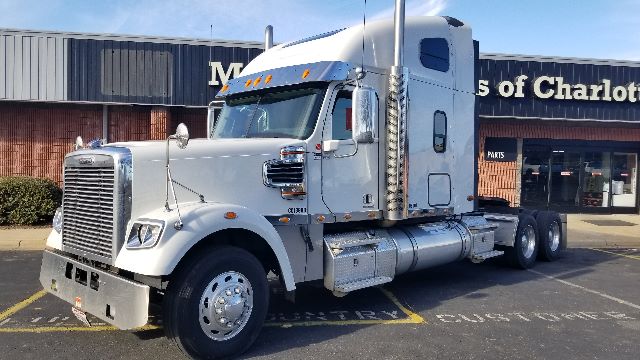
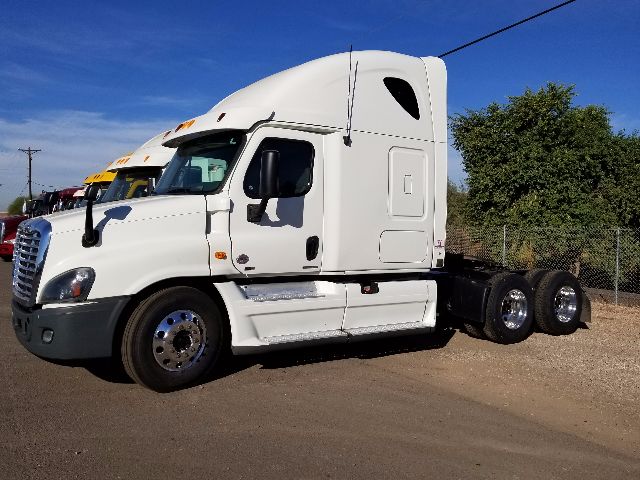

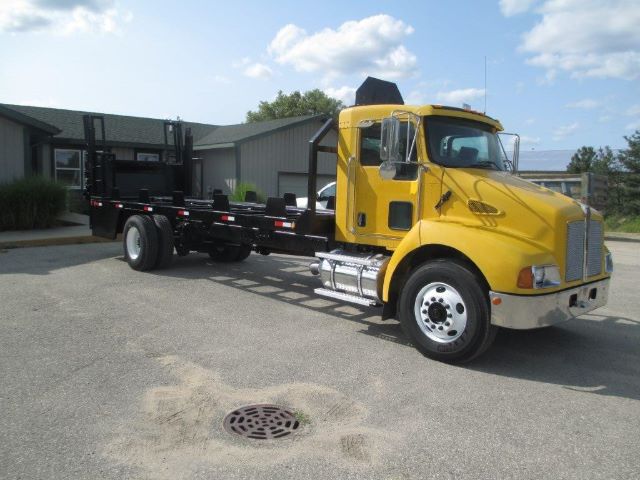
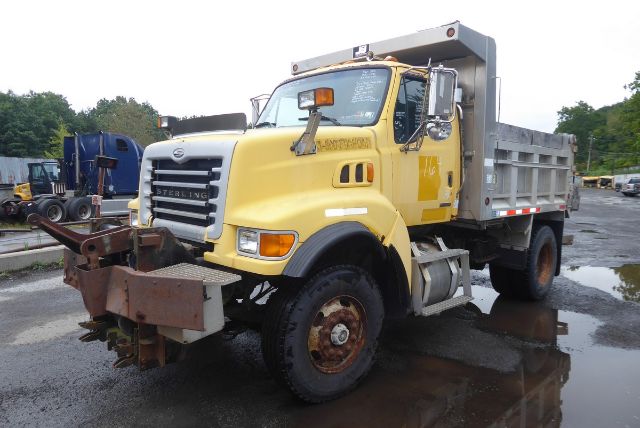
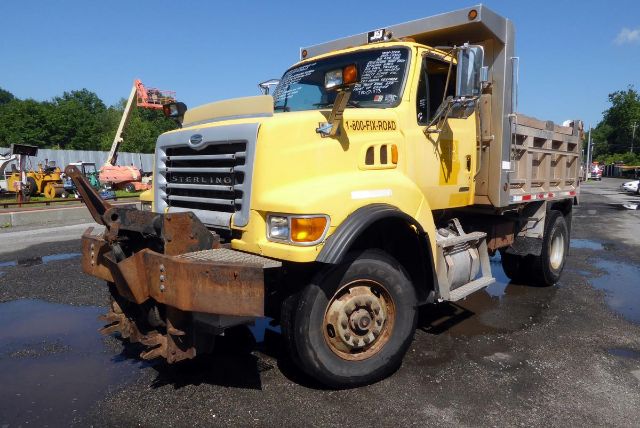
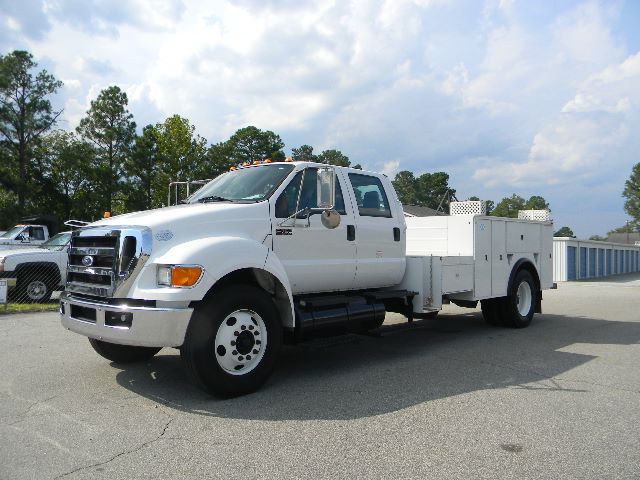
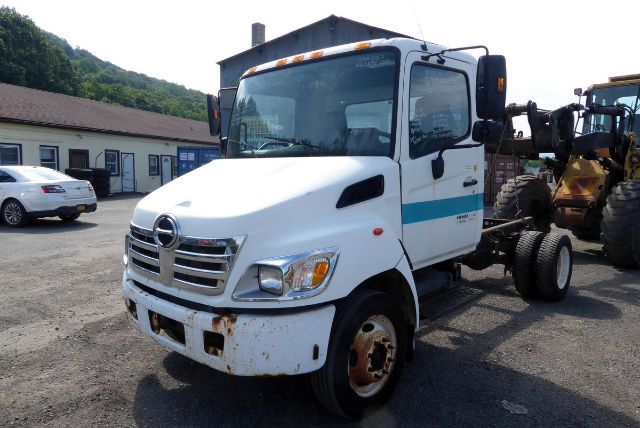
Showing 3,109 to 3,120 of 3,196 results
Have high cubes / cutaways truck to sell? List it here to reach thousands of buyers.
About High Cubes / Cutaways Trucks
Chassis choices set the handling and service profile. Ford E-350 and E-450 cutaways, Chevy Express and GMC Savana 3500-4500, Ford Transit cutaway, and Ram ProMaster cutaway are common. Gas V6 and V8 powertrains are prevalent for lower upfront cost and simpler emissions systems, while older diesel options prioritize torque and longevity. Front-wheel-drive ProMaster cutaways offer a lower floor for easier loading, while rear-wheel-drive E-Series, GM, and Transit variants typically provide higher tow and payload with dual rear wheels. Electric options like E-Transit cutaway are appearing for short urban routes where quiet operation and regenerative braking reduce operating cost.
The box build defines usability. Roll-up doors speed route work and fit tight docks, while swing doors seal better and weigh less. Ramps are light and quick for carts on low floors. Liftgates add versatility for heavy pieces but require battery capacity, charging discipline, and regular service. Look for E-track or A-track, scuff liners, plywood or composite interior walls, LED cargo lighting, and a translucent or insulated roof based on climate. FRP sidewalls are smooth and repairable, aluminum bodies save weight, and molded one-piece designs from builders like Unicell reduce leak points. A cab-to-cargo pass-through on cutaways is valuable for secure access and reduces curbside exposures on busy routes.
A smart inspection prevents downtime. Check roof seams and top rails for sealant failure, sidewall cracks, and water staining on floors. Run the roll-up door to full travel, inspect cables, tracks, and spring tension, and verify the liftgate cycles under load without drift. Confirm rear frame and step bumper rust is under control, tires are load-rated and evenly worn, and brakes and steering are tight. Match wheelbase to body length for proper turning radius and rear overhang. Verify height, often 10 to 11 ft, against your route clearances. For compliance, most high cubes and cutaways are under 26,000 lb GVWR so no CDL is required, but hazmat, state weight rules, CARB emissions in California, and DOT equipment requirements still apply.
Frequently Asked Questions
What is the difference between a high cube and a cutaway truck?
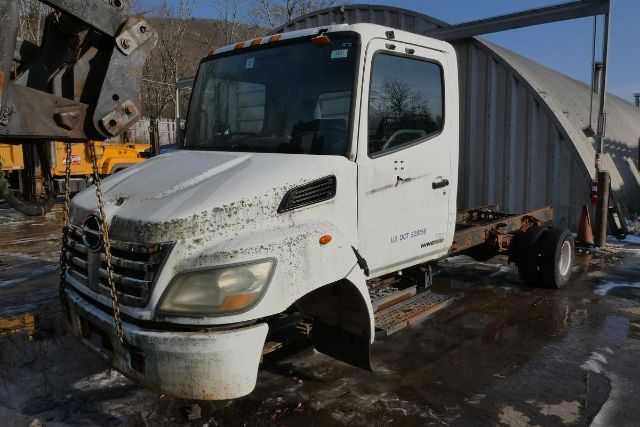
High cube describes the tall dry-freight box that provides stand-up interior volume. Cutaway refers to the van-derived chassis with an open rear cab wall for a walk-through to an installed box. Many high cube trucks are built on cutaway chassis, but you will also see high cube boxes on conventional cab-chassis platforms. The key distinction is the chassis type and the pass-through capability.
How do I choose the right body length and payload?
Start with your heaviest typical stop and the largest volume day. Body lengths of 12 to 16 ft handle most parcel and service work, while 16 to 18 ft fits light moving and appliances. Confirm GVWR and curb weight to calculate real payload, then add margin for shelving, liftgate weight, and drivers. If you cube out early, prioritize interior height, pass-through, and E-track. If you weigh out, spec dual rear wheels, the higher GVWR chassis, and consider a lighter body material.
Should I choose gas, diesel, or electric for a cutaway application?
Gas engines are common due to lower acquisition cost, simpler emissions hardware, and good drivability for stop-and-go routes. Diesel may make sense for heavy loads, towing, and high annual miles if fuel cost and maintenance history pencil out. Electric cutaway platforms suit short urban routes with depot charging, predictable daily mileage, and frequent braking that benefits from regeneration. Evaluate duty cycle, idling needs for liftgates or HVAC, fuel prices, and your maintenance capability.
What are the trade-offs between roll-up and swing rear doors, and ramp vs liftgate?
Roll-up doors save space at docks and speed multi-stop delivery but add weight and require cable and spring maintenance. Swing doors seal better, reduce weight, and can be simpler to service, but they need rear clearance. Ramps are light and quick with low floors and hand trucks. Liftgates handle heavy and awkward freight and eliminate running ramps on busy streets, but they add cost, battery draw, and require regular inspection, lubrication, and cylinder service.
Do I need a CDL to drive a high cube or cutaway truck?
Most high cube and cutaway trucks in this class have GVWRs below 26,000 lb, so no CDL is required for non-hazmat operations. Verify the door sticker for GVWR and check state rules. Placarded hazmat, air brake training policies, local weight limits, and CARB emissions rules may still apply. Always confirm overall height for route clearances and adhere to DOT requirements for lighting, mirrors, reflective tape, and load securement.