
New Hino Grapple Trucks For Sale
Shop new Hino grapple trucks built for debris, brush, and waste loading with durable bodies, hydraulic loaders, and vocational chassis specs.
Learn more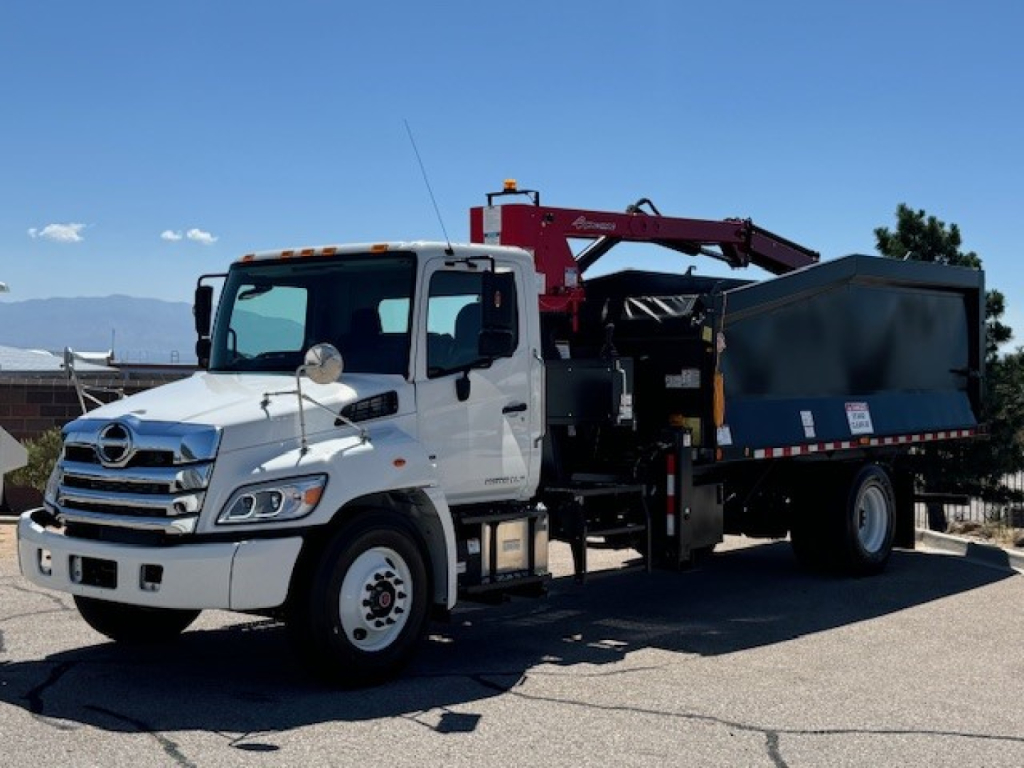
Have new hino grapple truck to sell? List it here to reach thousands of buyers.
About New Hino Grapple Trucks
Frequently Asked Questions
What should I look for first when buying a new Hino grapple truck?
Start with the truck’s intended material stream and loading cycle. Brush, storm debris, scrap, and mixed waste all place different demands on body construction, grapple size, boom reach, and axle capacity. On a Hino grapple truck, buyers should confirm GVWR, front and rear axle ratings, wheelbase, hydraulic loader model, body cubic-yard capacity, and whether the chassis balance keeps the truck stable when the boom is working off the side. Loader mounting position, outrigger design, and rear suspension setup also affect real-world productivity and stability.
What chassis specs are common on a new Hino grapple truck?
Many new Hino grapple trucks are built on medium-duty diesel chassis with GVWRs in the low-to-mid 30,000-pound range, paired with automatic transmissions for stop-and-go vocational work. Buyers will often see Cummins diesel power, Allison automatic transmissions, single rear axles, and axle ratings around 12,000 pounds front and 23,000 pounds rear, depending on the build. Wheelbase, rear axle ratio, and suspension type should be matched to the body length, loader weight, and the type of routes the truck will run.
How important is the grapple loader and body combination?
It is the core of the truck’s value. The loader’s boom reach, lift capacity, joystick controls, and grapple style determine how efficiently the truck can pick up brush piles, logs, or loose debris. The body needs to match that loader with the right floor strength, side height, and discharge design. Hardox or other abrasion-resistant materials are common on higher-wear bodies, while features such as barn doors, tarps, tool holders, and camera systems improve jobsite usability. A mismatch between loader capacity and body design can slow loading times or reduce service life.
Are Hino grapple trucks suited more for municipalities or private contractors?
They fit both, but the right spec depends on the operation. Municipal fleets often prioritize ease of operation, automatic transmissions, safety lighting, camera systems, and predictable maintenance intervals for neighborhood brush routes and storm response. Private contractors may focus more on body durability, boom performance, and payload efficiency for tree work, land clearing, and waste hauling. Hino’s medium-duty platform is often selected because it offers a vocational chassis layout that can be configured for either public works service or private fleet use.
What features improve daily productivity on a grapple truck?
Operator-friendly controls, stable outriggers, good sightlines, and a body that clears material cleanly all make a difference over a full workday. Buyers should pay attention to boom reach, clam-shell or multi-tine grapple choice, tarp systems, rear-view camera setups, strobe packages, and body door configuration. The best new Hino grapple truck setups reduce repositioning, speed up loading, and keep the truck compliant and safe on residential streets, transfer routes, and active jobsites.