
Trucks For Sale Near Grantville, Pennsylvania
Browse trucks for sale in Grantville, PA including day cabs, dump trucks, box trucks, yard spotters, and vocational work trucks.
Learn more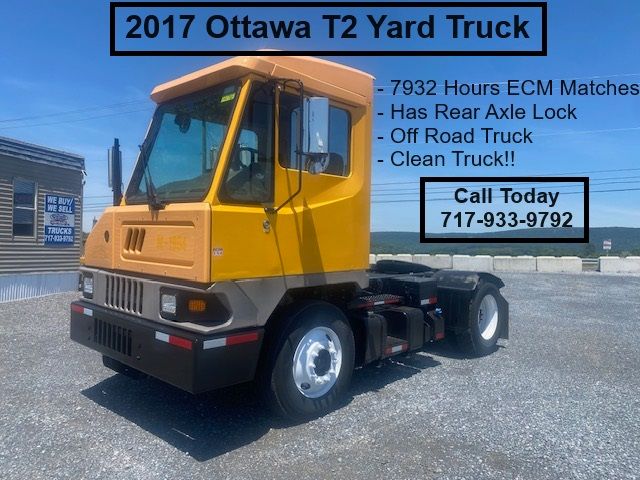
Showing 25 to 25 of 25 results
Have truck to sell? List it here to reach thousands of buyers.
About Trucks Near Grantville, Pennsylvania
Powertrain and chassis specs matter more than model year alone. Buyers typically look at engine make, horsepower, torque curve, transmission type, rear ratio, axle ratings, and brake configuration to match the truck to payload and terrain. A single-axle dump or box truck may prioritize maneuverability, simpler maintenance, and lower operating cost, while a tandem day cab or vocational chassis may need higher rear axle capacity, heavier suspension, and better gearing for loaded starts. Automatic transmissions are common in refuse, dump, box, bucket, and yard applications where stop-and-go duty is constant. Manual and automated manual setups still appeal in day cab and highway service where driver preference, fuel economy, and serviceability are part of the buying decision.
In central Pennsylvania, buyers should pay close attention to rust exposure, frame condition, crossmembers, cab mounts, brake lines, electrical harness routing, and body or hoist corrosion on vocational units. For dump trucks, body material, hoist type, side height, and tailgate configuration directly affect productivity. For box trucks, box length, door style, liftgate rating, and under-CDL GVWR can be more important than raw horsepower. For terminal tractors, also called yard jockeys, yard goats, switcher trucks, or terminal tractors, visibility, fifth wheel lift function, cab entry, and tight turning radius are major factors. Utility and bucket trucks need another level of inspection, including boom hours, outrigger operation, PTO performance, insulation rating if applicable, and overall service history on the aerial package.
A smart comparison goes beyond miles and engine hours. Check tire size and condition, suspension wear, differential lock, engine brake, wheel type, fuel capacity, and whether the truck has the right wheelbase and frame layout for the work ahead. Pre-emissions trucks remain attractive to some buyers for simpler emissions systems, but condition and prior maintenance should carry more weight than emissions era by itself. For any used truck, the strongest value usually comes from a spec that matches the route, payload, and body requirement without forcing expensive modifications after purchase.
Frequently Asked Questions
What should I look for first when comparing different trucks for sale?
Start with the intended application, then confirm the chassis matches that job. A delivery truck, dump truck, day cab, yard spotter, and bucket truck can all look viable on paper but are built around very different duty cycles. Focus first on GVWR, axle configuration, wheelbase, engine and transmission setup, suspension, and any body equipment or PTO requirements. Once the truck meets the job, then compare condition, miles, hours, service history, and tire and brake life.
How do I choose between a single-axle and tandem-axle truck?
A single-axle truck is usually easier to maneuver, lighter, and less expensive to operate, which makes it a strong fit for local delivery, lighter dump work, and urban routes. A tandem-axle truck generally offers higher payload capacity, better weight distribution, and improved traction for heavier hauling or tougher jobsite conditions. The right choice depends on legal weight requirements, body type, road conditions, and how often the truck will run loaded versus empty.
Are automatic transmissions better for vocational trucks?
Automatic transmissions are often preferred in vocational service because they reduce driver fatigue and perform well in stop-and-go operation. They are common in dump trucks, box trucks, yard tractors, and utility units where repeated starts, backing, and tight maneuvering are part of the daily cycle. A manual or automated manual can still be a good fit for some highway and day cab applications, especially where fuel economy, driver familiarity, or lower initial cost is a priority.
Why do wheelbase and rear ratio matter on a used truck?
Wheelbase affects turning radius, body fitment, ride characteristics, and bridge law considerations. A shorter wheelbase can improve maneuverability in yards and city work, while a longer wheelbase may be needed for certain body lengths or highway stability. Rear ratio affects launch performance, gradeability, and cruising rpm. A deeper ratio helps with heavier loads and off-road work, while a faster ratio may support better road speed and lower engine rpm in lighter-duty service.
Is a pre-emissions truck always the better buy?
Not always. Pre-emissions trucks appeal to many buyers because they typically have simpler engine systems and can be easier to maintain in some operations. However, overall condition is still the deciding factor. A well-maintained newer truck can be a better investment than an older pre-emissions unit with frame corrosion, worn suspension components, or poor service history. Buyers should evaluate the full truck, not just the emissions label.