
Garbage Trucks For Sale in Other
Browse garbage trucks for sale, including rear loaders, front loaders, side loaders, and roll-off units for municipal and refuse hauling work.
Learn moreBrowse Garbage Trucks by Make
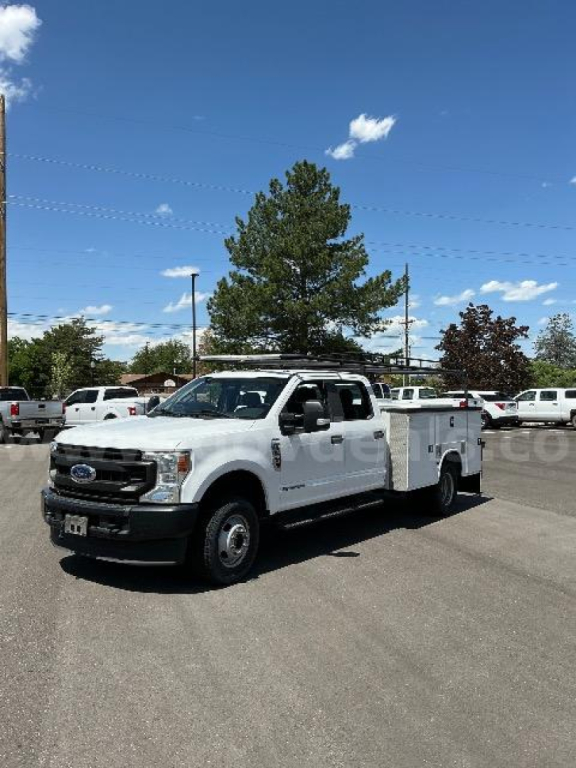
Have garbage truck to sell? List it here to reach thousands of buyers.
About Garbage Trucks in Other
Rear loaders remain common for municipal solid waste, bagged trash, and routes that still rely on manual or semi-automated collection. Front loaders are typically selected for commercial dumpsters and high-volume stops where lift cycle speed and body capacity drive productivity. Automated side loaders are popular on residential routes because one operator can service cart-based programs efficiently, but buyers need to verify arm reach, cart compatibility, and hydraulic smoothness. Roll-off garbage trucks fill a different role, moving open-top containers for demolition debris, industrial waste, and transfer operations. On lighter-duty applications, some buyers also look at chassis-cab trucks fitted with smaller refuse bodies for park departments, campuses, or local government sanitation work.
Key specs vary by application, but most buyers compare body capacity in cubic yards, payload allowance, compaction ratio, hopper size, arm or fork rating, and overall wheelbase. GVWR and axle capacity are especially important because refuse trucks live under heavy stop-and-go loads and can reach weight quickly before the body is full. Engine horsepower is less important than low-end torque, cooling performance, and durability under PTO-driven hydraulic demand. Common features include high-cycle packers, cart tippers, fork systems, camera packages, warning lights, backup alarms, differential locks, and corrosion protection such as stainless steel body panels or liners in high-wear zones. On any used garbage truck, body condition, cylinder leakage, packer rail wear, floor integrity, tailgate seal condition, and hydraulic contamination tell you as much as the odometer.
A good garbage truck purchase is one that matches the route, transfer distance, and maintenance capability behind it. Tight urban routes may favor shorter wheelbases and better turning radius, while landfill or transfer station runs can justify larger bodies and higher legal payload. Fleet buyers should also think about emissions system history, idle hours, brake life, steering wear, and the condition of the body controls because refuse service is one of the harshest duty cycles in trucking. If the truck will operate in residential areas, noise level, camera visibility, and automated collection ergonomics can affect both driver retention and route efficiency. The best choice is rarely the biggest unit. It is the truck that can complete the route consistently, stay legal on weight, and keep hydraulic and packer downtime under control.
Frequently Asked Questions
What types of garbage trucks are most common?
The most common garbage truck types are rear loaders, front loaders, automated side loaders, and roll-off trucks. Rear loaders are widely used for municipal and manual collection routes. Front loaders are favored for commercial dumpster service. Automated side loaders are common on residential cart routes where one driver services standardized containers. Roll-off trucks are used to transport debris boxes and open-top containers rather than compacting refuse in a body.
What specs matter most when buying a garbage truck?
The most important garbage truck specs are body capacity, GVWR, axle ratings, loader type, hydraulic performance, and compaction system condition. Body size in cubic yards needs to match route density and disposal frequency. Axle and chassis ratings determine how much usable payload the truck can legally carry. Buyers should also review wheelbase, PTO setup, transmission, hopper volume, and any lifting equipment such as cart tippers, forks, or automated arms.
How do I choose between a rear loader and an automated side loader?
A rear loader is usually the better fit for routes with loose bags, mixed set-outs, alleys, or crews that manually load waste. An automated side loader is better for standardized residential cart programs where one operator can run the route efficiently from the cab. The choice depends on labor model, container standardization, route width, stop density, and how much value you place on collection speed versus flexibility.
What should I inspect on a used garbage truck?
On a used garbage truck, inspect the refuse body as carefully as the chassis. Look for floor rot, cracked welds, tailgate seal wear, packer blade wear, rail damage, leaking cylinders, contaminated hydraulic oil, and signs of structural fatigue around lifting points. On the chassis side, pay attention to frame condition, suspension wear, steering play, brake condition, transmission operation, PTO engagement, and emissions system service history. Refuse duty is severe, so wear items can be advanced even on trucks that appear presentable.
Are smaller garbage trucks useful for local fleets?
Smaller garbage trucks can be a strong fit for parks departments, campuses, private property service, and local government routes with lower daily volume or tighter access. They are easier to maneuver, may reduce fuel and tire costs, and can work well where a full-size refuse chassis would be oversized. The tradeoff is lower body capacity and payload, so they are best used where dump frequency and route length stay manageable.