
Garbage Trucks For Sale in Alabama
Browse garbage trucks for sale, including rear, front, and automated side loaders with route-ready refuse bodies and municipal specs.
Learn moreBrowse Garbage Trucks by Make
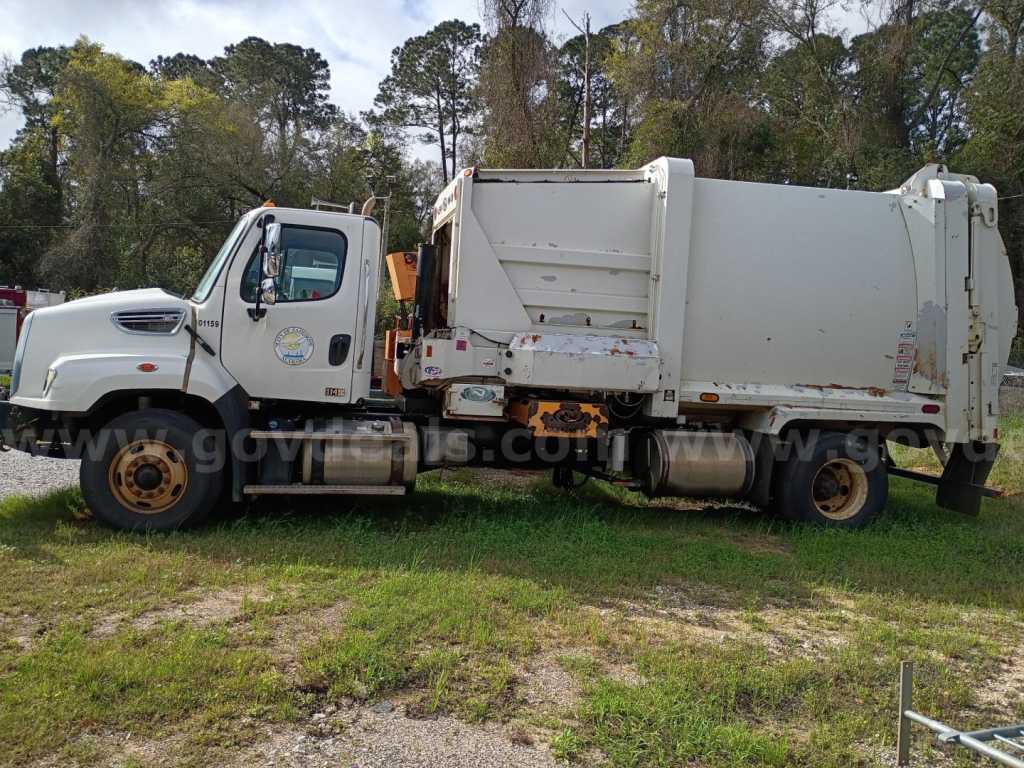
Have garbage truck to sell? List it here to reach thousands of buyers.
About Garbage Trucks in Alabama
The key buying decisions are body capacity, packer performance, axle ratings, and hydraulic condition. Refuse bodies are often measured in cubic yards, and the right size depends on route density, transfer station distance, and legal weight limits. A truck that cubes out before it weighs out works differently than a truck hauling dense municipal solid waste, yard debris, or recyclables. Look closely at hopper size, compaction ratio, arm or cart tipper operation, tailgate seal condition, and signs of floor, sidewall, or packer blade wear. Hydraulic leaks, slow cycle times, and excessive slop in arms or forks usually matter more in daily route work than cosmetic issues.
Chassis specs deserve the same attention as the body. Garbage trucks spend their lives in severe-duty service, so transmission type, PTO operation, brake condition, and suspension design all affect uptime. Automatic transmissions are common for route work, and many buyers prefer diesel engines with strong low-rpm torque for repeated starts and compaction cycles. Check front axle capacity on front loaders, rear suspension wear on loaded routes, frame condition around body mounts, and hours if the truck has an engine-hour meter. Alabama buyers may also pay close attention to cooling system condition, cab A/C performance, and corrosion around hydraulic fittings and body seams, especially on trucks that have seen municipal washing, coastal humidity, or fertilizer and yard waste exposure.
A good garbage truck is less about peak highway performance and more about route efficiency, operator visibility, turning radius, and body reliability. Entry height, camera systems, cart tipper controls, warning lights, and backup safety equipment all matter in residential neighborhoods and commercial pickup zones. For used units, service records are especially valuable because packer rebuilds, hydraulic hose replacement, cylinder work, and tailgate maintenance can significantly affect operating cost. Buyers comparing listings should match the truck to the collection method first, then confirm the body and chassis specs support the route without overbuying weight, wheelbase, or maintenance complexity.
Frequently Asked Questions
What types of garbage trucks are most common?
The most common garbage truck types are rear loaders, front loaders, and automated side loaders. Rear loaders are widely used for manual residential or light commercial pickup. Front loaders are designed for commercial dumpster service and typically offer high lifting capability and good payload efficiency. Automated side loaders are built for cart-based residential routes and reduce labor by allowing one operator to handle collection from the cab.
What should I inspect first on a used garbage truck?
Start with the hydraulic system, packer operation, and structural condition of the refuse body. Check for leaks at cylinders, pumps, valves, and hose connections. Inspect the hopper, floor, tailgate, body seams, and packer blade area for cracking, rot, or excessive wear. After that, evaluate PTO engagement, transmission shifting, axle ratings, brake condition, and any signs that the truck has been overloaded or run with poor maintenance.
How are garbage truck bodies sized?
Garbage truck bodies are generally rated in cubic yards, but cubic capacity alone does not tell the full story. Route density, waste type, compaction ratio, and legal gross vehicle weight all affect real-world productivity. Light residential trash, recyclables, and yard waste take up space differently than dense municipal solid waste. The best body size is one that fits the route without forcing early dumps or pushing the chassis beyond practical payload limits.
Is a medium-duty chassis suitable for refuse work?
A medium-duty chassis is suitable for many refuse applications, especially residential and municipal routes where maneuverability is important. Models such as the Freightliner M2-106 are commonly used with smaller to mid-size refuse bodies because they handle stop-and-go service well and are easier to operate in neighborhoods and tighter streets. Heavier commercial or high-volume dumpster routes may require a larger severe-duty chassis with higher front axle and frame capacity.
Why do hours matter on a garbage truck in addition to mileage?
Hours matter because garbage trucks spend a large part of their life operating at low speed, idling, and cycling hydraulics rather than accumulating highway miles. A refuse truck with modest mileage can still have substantial engine, PTO, and hydraulic wear if it has spent years on dense collection routes. Engine hours help buyers better understand total duty exposure, especially on municipal fleet units and route trucks with frequent stop-start operation.