
Trucks For Sale Near Fort Worth, Texas
Trucks in Fort Worth, Texas with emphasis on floor strength, thermal integrity, tare weight, and corrosion resistance for reliable payload and uptime.
Learn more
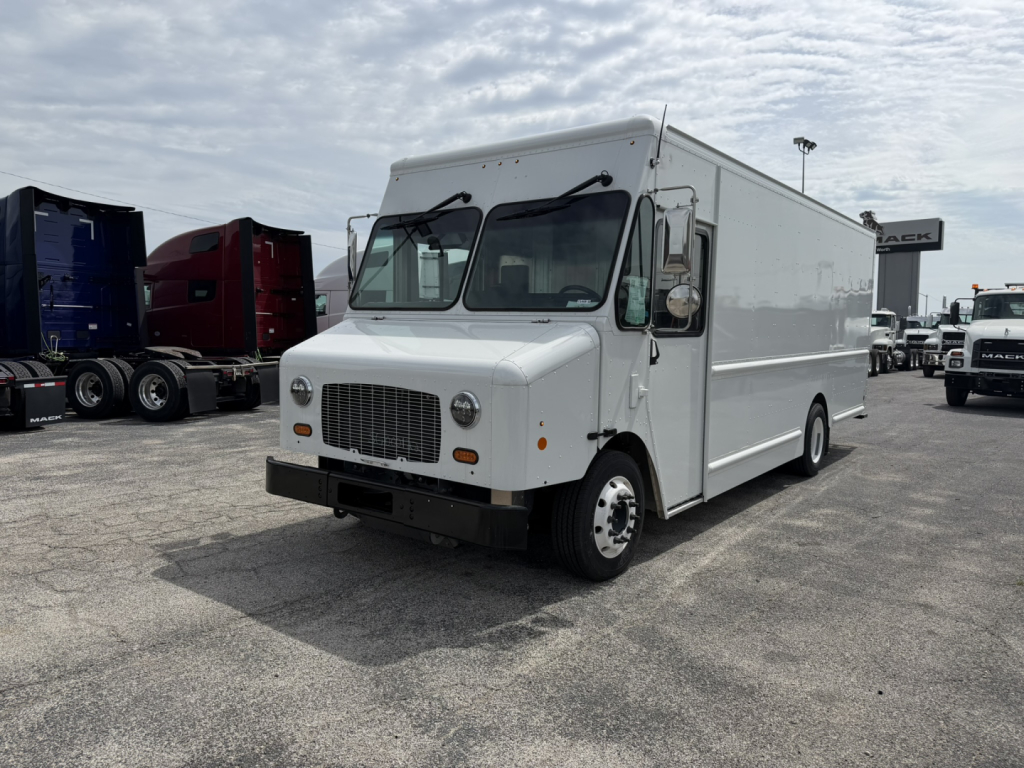
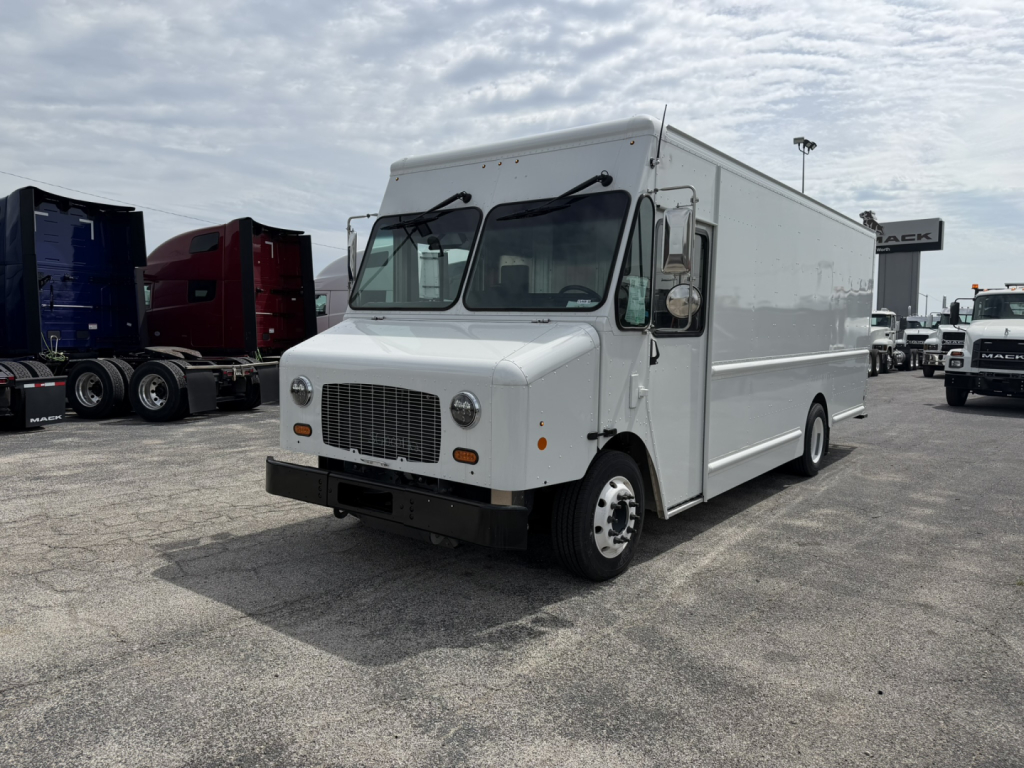
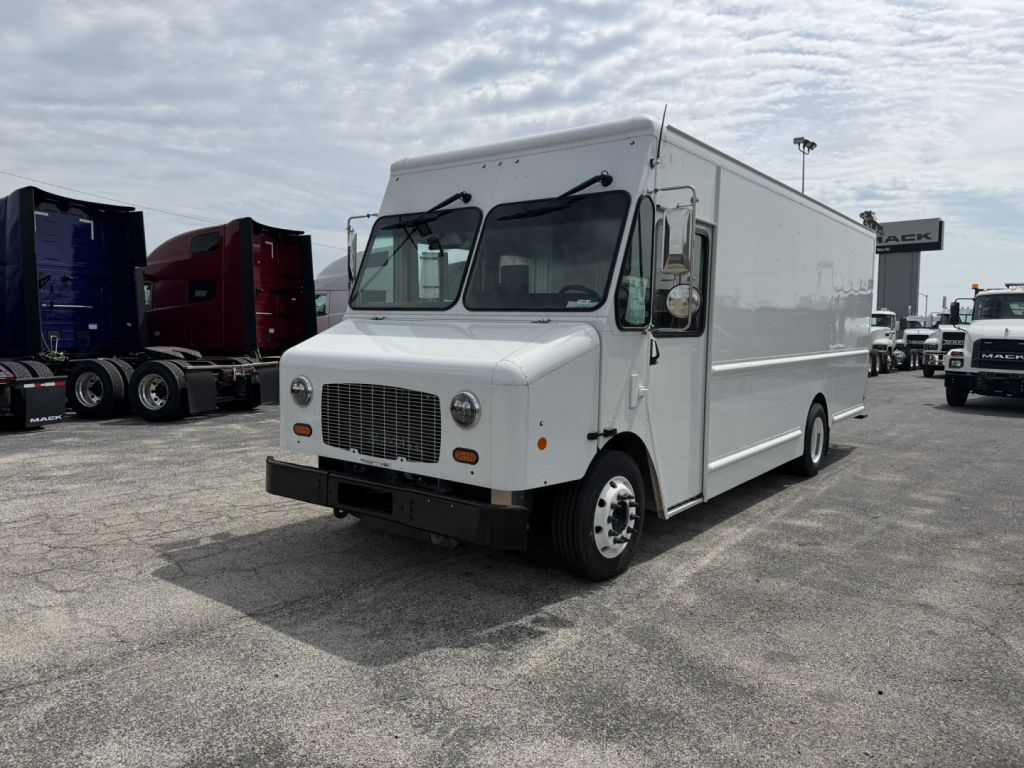
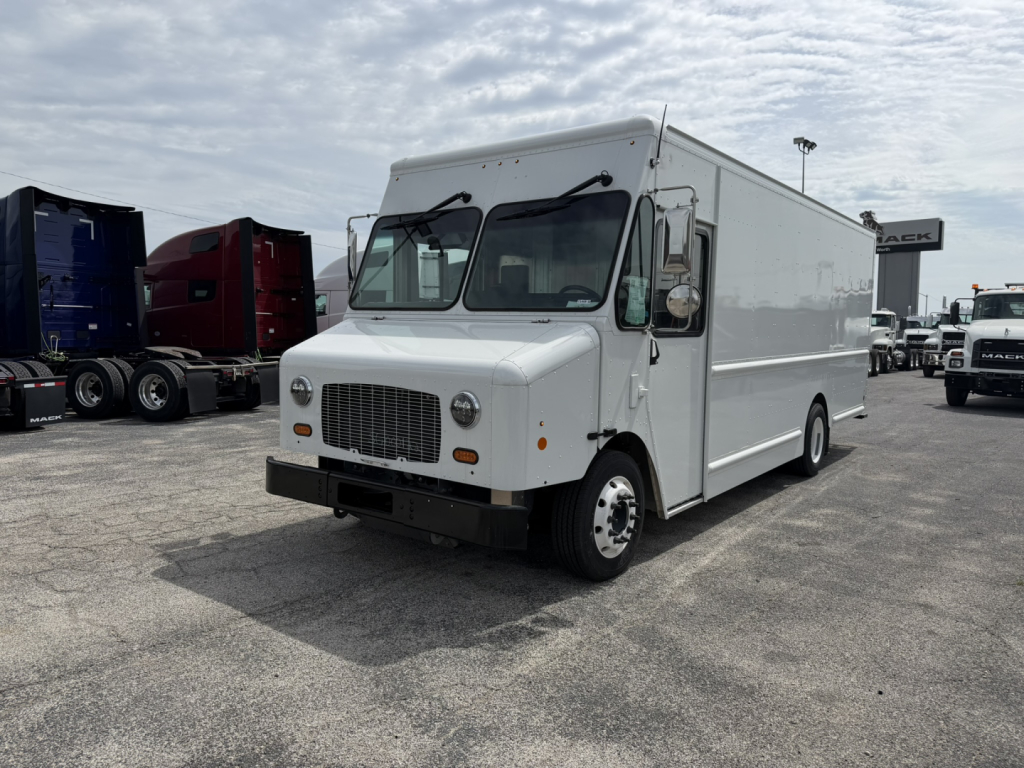
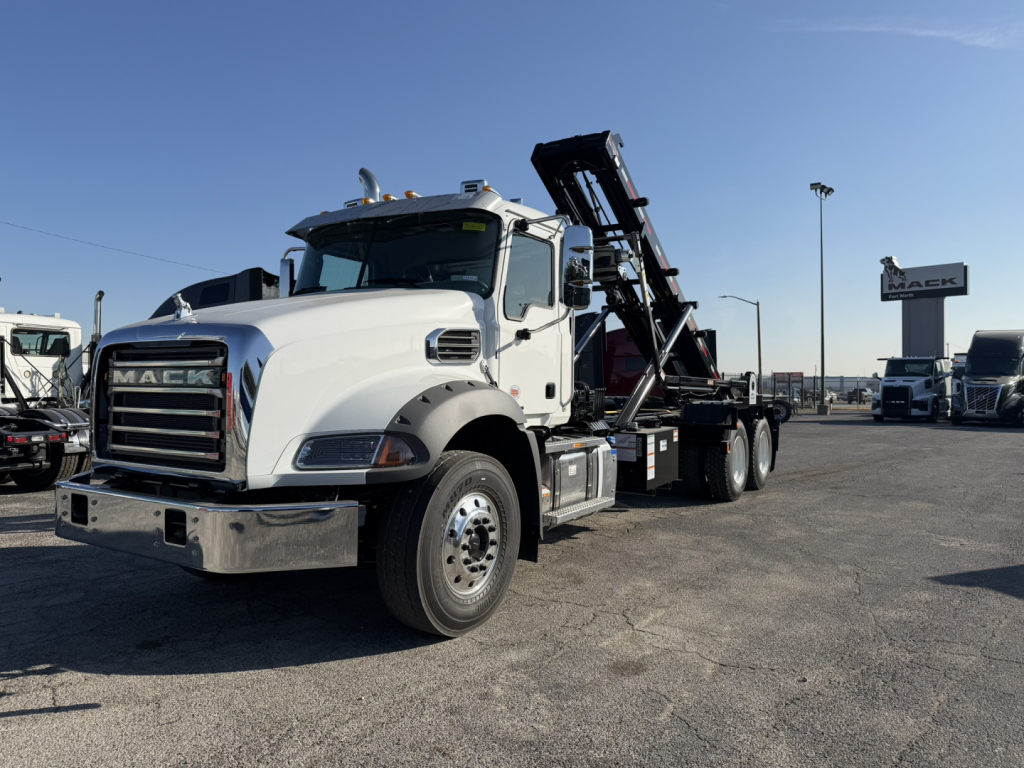
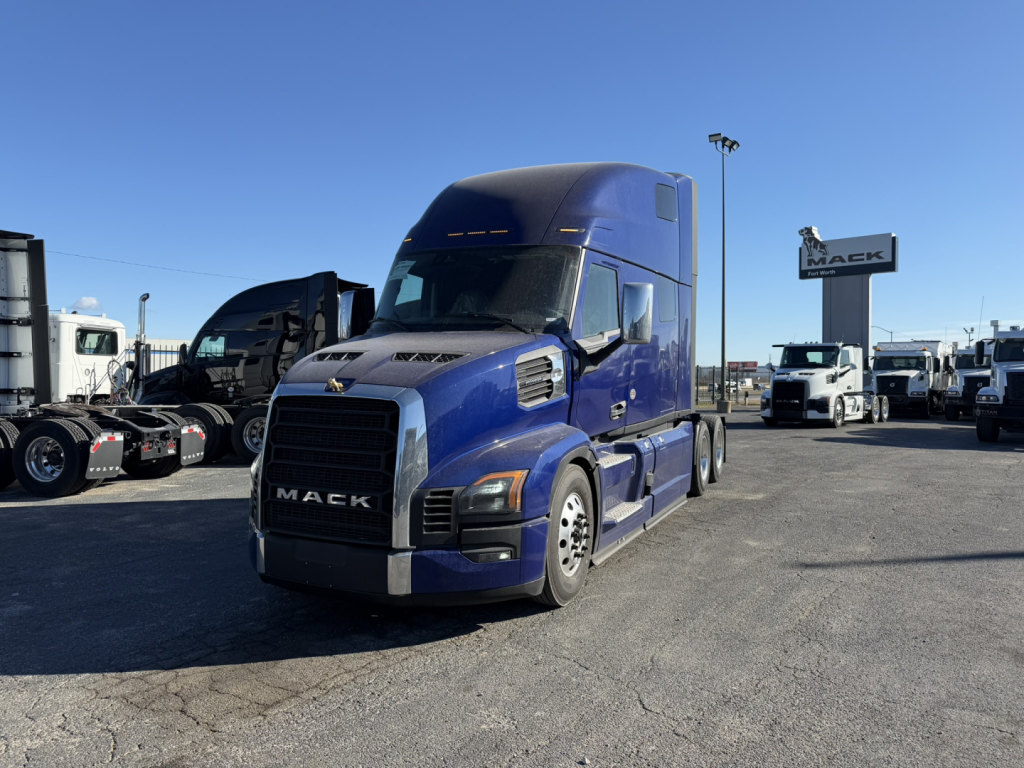
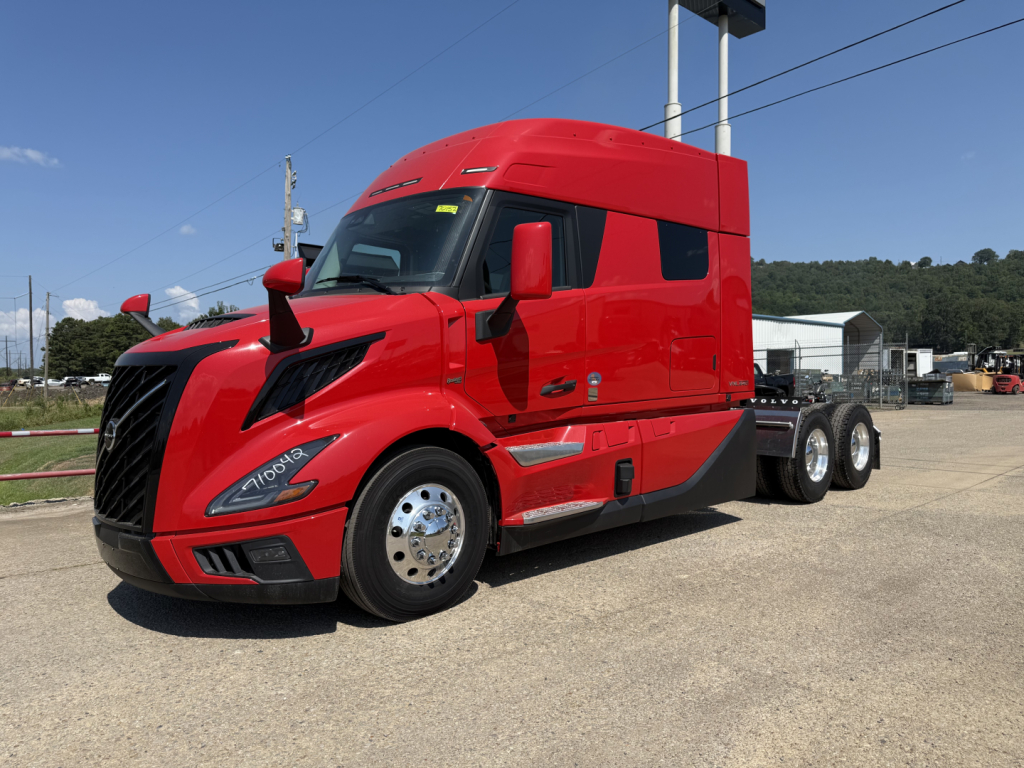
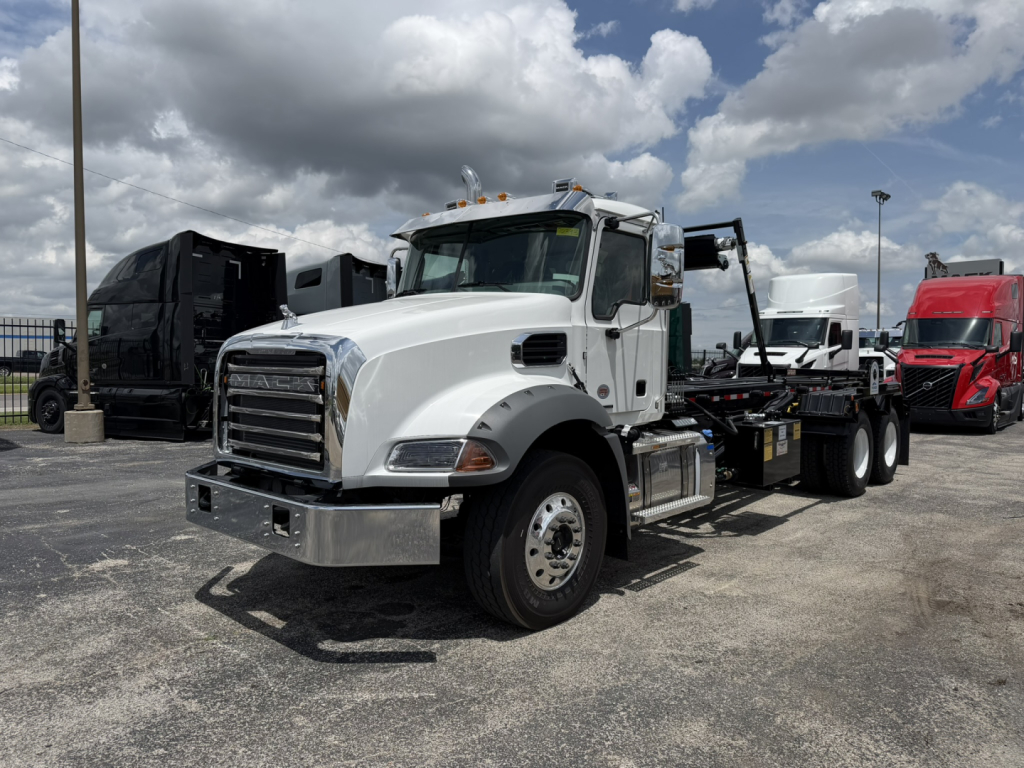
Showing 133 to 144 of 155 results
Have truck to sell? List it here to reach thousands of buyers.
About Trucks Near Fort Worth, Texas
Floor strength is critical on box and platform applications. For dry van or reefer straight trucks, confirm floor thickness, crossmember spacing, and forklift rating, a 10,000 pound forklift at a 24 inch load center is a practical benchmark. Hardwood or apitong at roughly 1.38 inches absorbs impact, extruded aluminum plank floors cut weight and resist moisture, both benefit from scuff liners to 12 or 24 inches and heavy threshold plates. Crossmembers on 12 inch centers carry higher point loads than 16 inch centers, look for robust 3 inch I beam or hat channel members. On flatbeds, aluminum decks lower tare, steel or apitong improves abrasion resistance, verify stake pockets, rub rail thickness, and winch track integrity. Dumps and hooklifts with AR400 or AR450 floors in 3/16 to 1/4 inch gauge resist gouging, heavier plate increases tare.
Thermal integrity makes or breaks refrigerated operations in Texas heat. Insulated bodies with high R value foam in place construction, sealed joints, and minimal thermal bridges hold setpoint with fewer compressor cycles, reducing fuel burn and unit hours. Inspect door gaskets, corner caps, sills, and drains for air and water leaks, damaged seals raise heat load and lengthen pull down time. Air chutes, bulkheads, and flat duct floors promote even airflow, avoid crushed foam or delamination that signals water ingress and lost R value. Conduct a pull down test from ambient to setpoint, review data logger records, and confirm a high ambient condenser, clean coils, and proper fan performance suited to Fort Worth summers.
Corrosion resistance protects uptime and resale in North Texas, brine events are occasional but heat, humidity, and Gulf routes still attack metals. Favor e coated or powder coated frames, galvanized crossmembers, aluminum cabs and bodies, and stainless or zinc nickel hardware, add dielectric barriers between dissimilar metals to prevent galvanic corrosion. Sealed wiring harnesses with weather tight connectors and heat shrink splices reduce electrical faults, underbody coatings and clean drain paths keep debris from trapping moisture. Pair these protections with TPMS or automatic tire inflation on compatible platforms to limit heat related tire failures, and verify that cooling and aftertreatment packages carry high ambient ratings appropriate for Fort Worth operation.
Frequently Asked Questions
Which floor specifications should I choose for frequent forklift loading in a 26 foot box truck?
Target a documented forklift floor rating, 10,000 pounds at a 24 inch load center is common for beverage and general pallet freight. Look for 1.38 inch hardwood or apitong or extruded aluminum plank floors with heavy threshold plates, and crossmembers on 12 inch centers for higher point load support. Add scuff liners to at least 12 inches, logistic posts or e track for securement, and verify rear sill and door frame reinforcements to prevent racking during dock work.
How do I evaluate the thermal integrity of a used reefer straight truck in Texas heat?
Inspect the body for tight door seals, intact corner caps, and clean drain paths, then check for delamination or crushed foam around high impact areas. Confirm the reefer unit has a high ambient condenser and recent service, review hour counts and data logger reports, and run a pull down test from ambient to your setpoint while monitoring time to temperature and cycle frequency. Air chutes and bulkheads help maintain uniform temperatures, and a flat aluminum duct floor can improve airflow when doors cycle frequently in Fort Worth distribution.
How much payload can I gain by reducing tare weight on a Class 8 tractor or straight truck?
Savings vary by spec, but aluminum wheels, wide base singles, and optimized battery boxes and tanks can remove 300 to 800 pounds, an aluminum or composite van body can cut roughly 400 to 1,000 pounds versus steel, and a 6x2 or liftable pusher can trim a few hundred pounds versus a full 6x4. If you are weight limited, that translates directly to more payload per trip, if you are cube limited, the same reductions show up as fuel savings and lower brake and tire wear.
What corrosion resistance features matter for North Texas operations that include occasional Gulf Coast runs?
Seek e coated or powder coated frames and brackets, galvanized crossmembers, aluminum cabs and bodies, and stainless or zinc nickel fasteners. Insist on sealed wiring harnesses with molded junctions and heat shrink splices, protected DEF and battery box mounts, and underbody coatings in debris prone areas. Inspect for paint chalking, blistering around fasteners, and corrosion at dissimilar metal interfaces, use dielectric barriers where aluminum meets steel to prevent galvanic attack, and wash undercarriages after exposure to coastal salt or winter brine.