
Forestry Trucks For Sale
Browse forestry trucks for sale, including tree trucks and bucket trucks built for arborist work, right-of-way clearing, and utility trimming.
Learn moreNo exact matches found for your search
Showing Trucks instead.
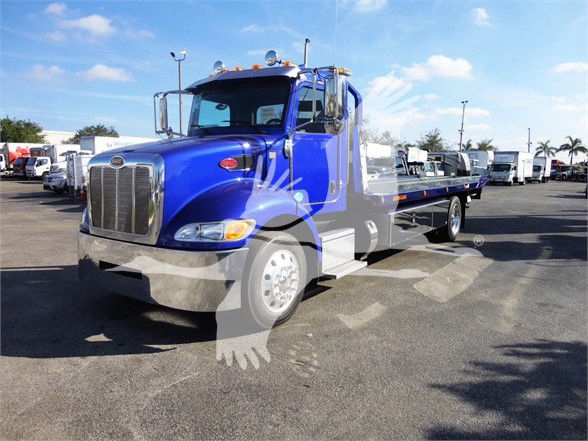
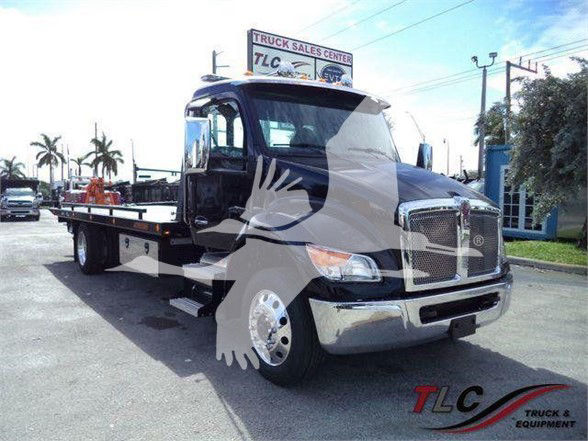
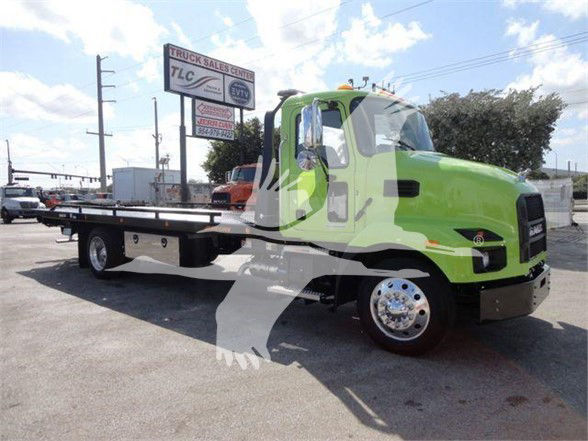
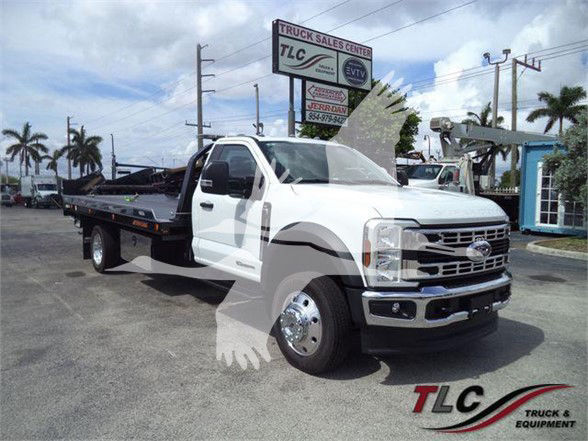
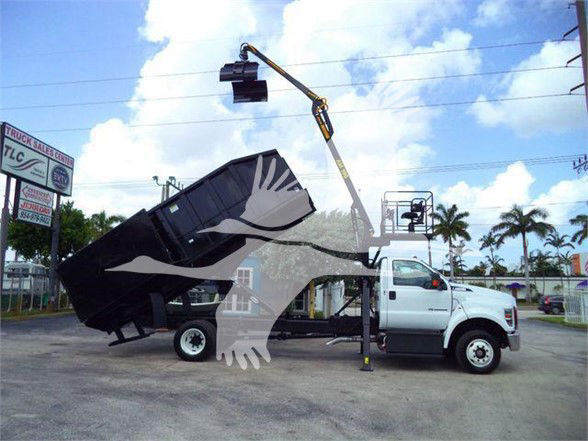
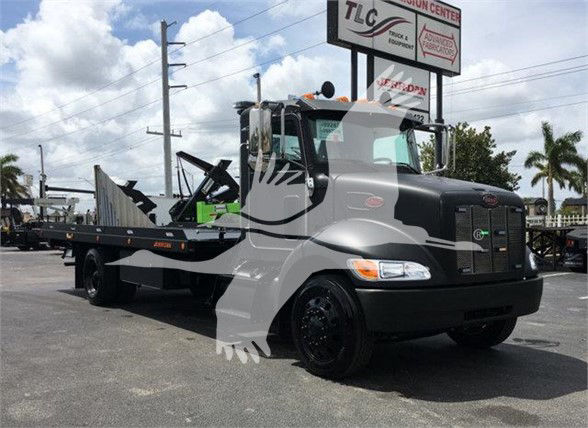
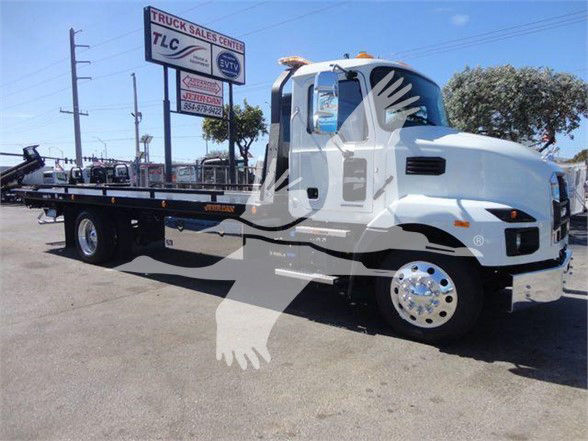
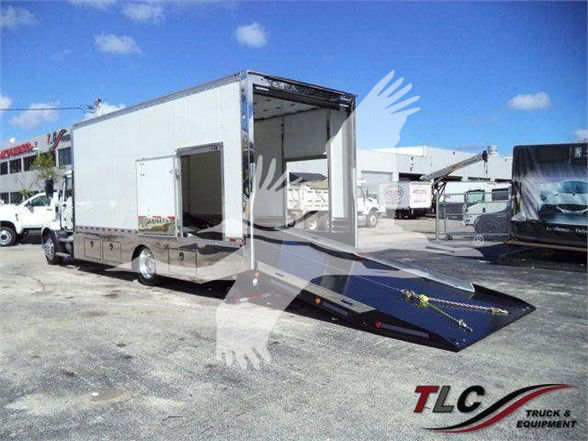
Showing 3,049 to 3,060 of 3,196 results
Have forestry truck to sell? List it here to reach thousands of buyers.
About Forestry Trucks
A forestry bucket truck is typically selected by working height, side reach, boom articulation, and insulation rating if utility-related trimming is involved. Non-insulated units are common in general tree service, while insulated aerial devices are important for line-clearance applications. Buyers should also pay attention to outrigger configuration, boom controls, hydraulic condition, and PTO operation. On tree trucks with chip bodies, key details include body capacity in cubic yards, material thickness, floor condition, hoist operation, tarp system, and rear door style. Some units add tool compartments, saddle boxes, chipper mounts, winches, or small cranes to support a full crew in the field.
Chassis and drivetrain matter because forestry work is hard on trucks. GVWR, axle ratings, wheelbase, suspension type, and brake setup all affect how the truck handles a loaded chip body or a boom mounted behind the cab. Diesel engines are common for torque and PTO compatibility, and automatic transmissions are popular for stop-and-go urban work. A buyer should also look closely at frame condition, rust around outriggers and body mounts, hydraulic leaks, and wear in the boom, bucket, or rotation system. If the truck will spend time off pavement, tire selection, locking differentials, and ground clearance can be just as important as engine horsepower.
The best forestry truck depends on the job mix. Municipal buyers may prioritize dependable chip hauling and crew-friendly layouts for daily trimming routes, while private tree service operators may need higher reach, stronger lifting capability, or a compact wheelbase for residential access. Utility and right-of-way applications often demand insulated booms, stable outrigger footprints, and documented aerial inspection history. When comparing listings, the most useful specs are working height, payload capacity, body size, hydraulic system condition, PTO functionality, and the service history of both the chassis and the forestry equipment mounted on it.
Frequently Asked Questions
What is a forestry truck?
A forestry truck is a work truck designed for tree care, vegetation management, and related utility or municipal applications. The category can include bucket trucks for aerial trimming, chipper or chip body trucks for hauling brush and wood waste, and specialized tree trucks with cranes, tool storage, and PTO-driven hydraulic systems.
What should I check first on a used forestry bucket truck?
Start with the aerial device itself. Confirm the working height, side reach, boom articulation, outrigger operation, hydraulic performance, and any insulation rating if the truck is intended for utility line-clearance work. Service records, annual boom inspections, structural condition of the boom and turret, and signs of leaks or weld repairs are especially important on older units.
What is the difference between a tree truck and a forestry bucket truck?
A tree truck is a broad term that can describe several body styles used in arborist work, including chip trucks, log loaders, and bucket-equipped units. A forestry bucket truck specifically refers to a truck with an aerial lift used to raise workers for pruning, removal, and overhead vegetation management. Many fleets use both types together on the same crew.
Are diesel engines better for forestry trucks?
Diesel engines are common in forestry trucks because they provide strong low-end torque, handle PTO-driven hydraulic systems well, and generally suit heavier payloads and longer service cycles. Gas engines can still be found on some medium-duty units, but diesel power is usually preferred when the truck carries a chip body, boom, crane, or other weight-intensive equipment.
Which specs matter most when comparing forestry trucks for sale?
The most important specs depend on the work, but buyers usually compare working height, side reach, body capacity, GVWR, axle ratings, wheelbase, engine and transmission type, PTO setup, and hydraulic condition. For bucket trucks, boom inspection history and insulation rating can be just as important as chassis mileage. For chip or debris trucks, body condition, hoist function, and payload capacity usually drive the decision.