
Mack Flatbed Trucks For Sale in New York
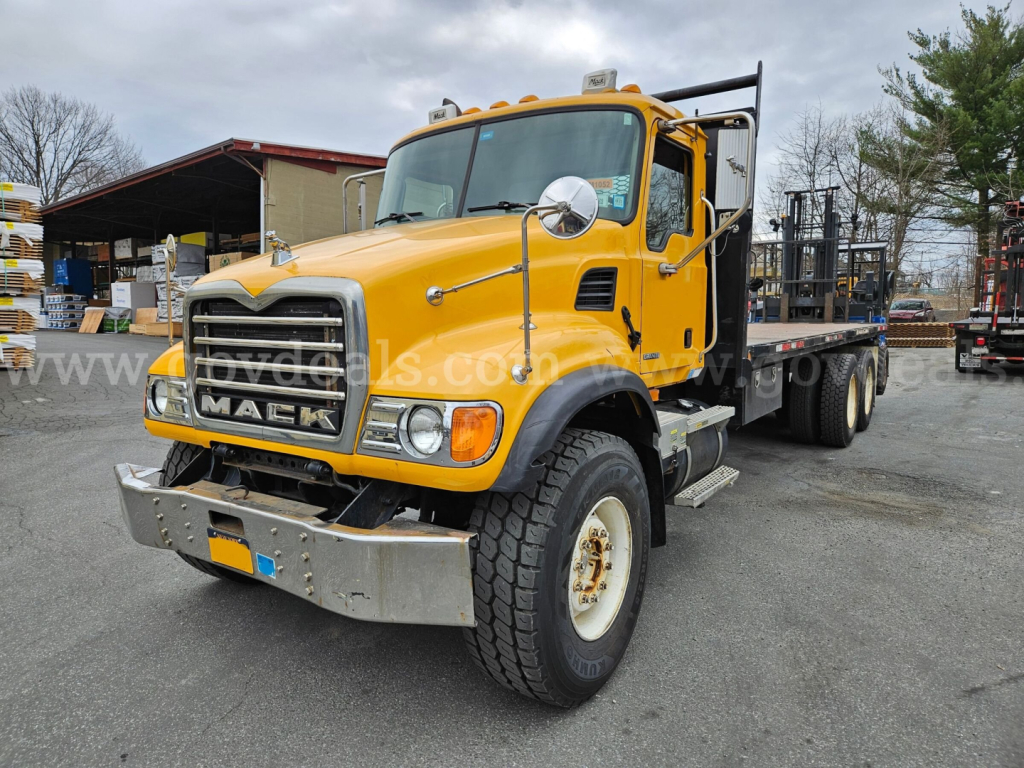
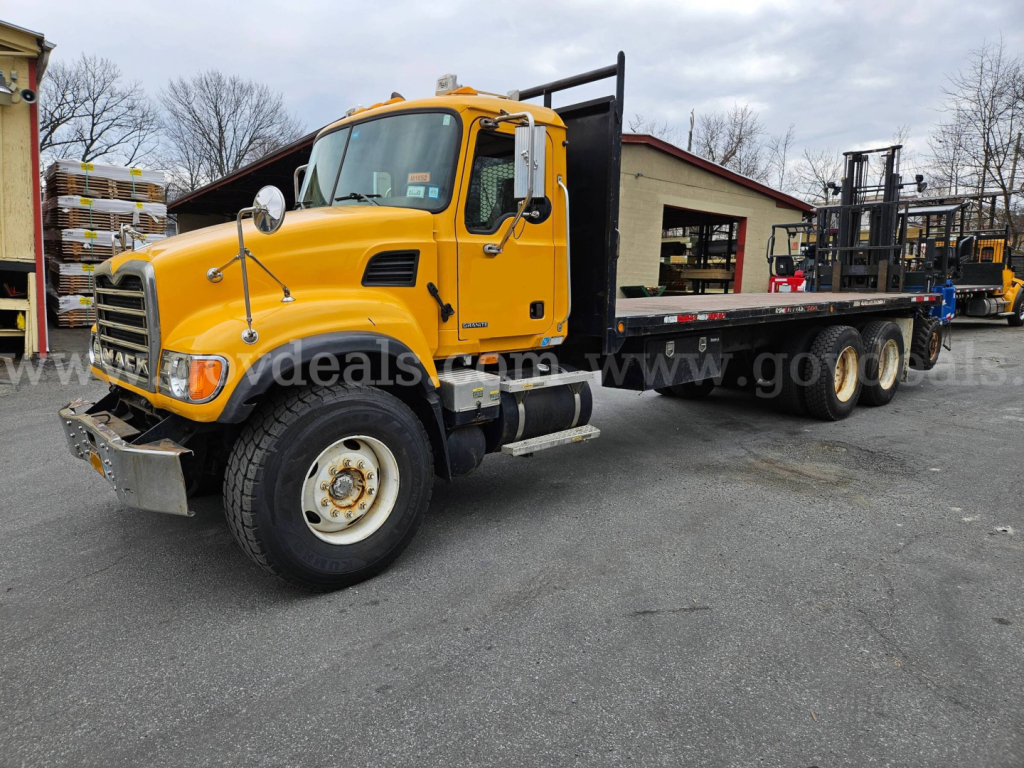
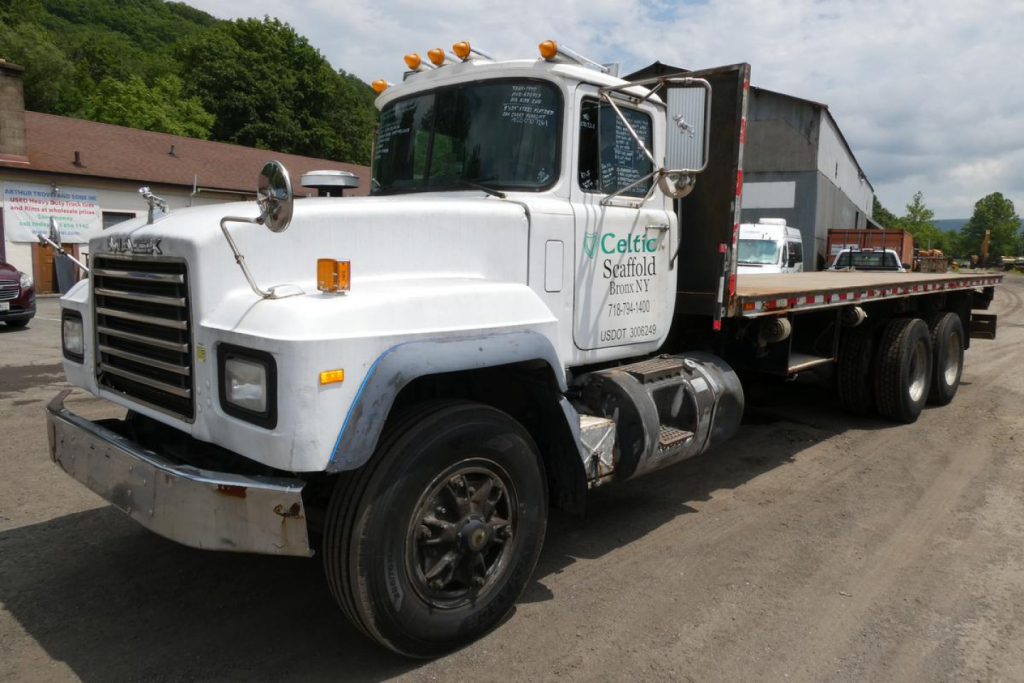
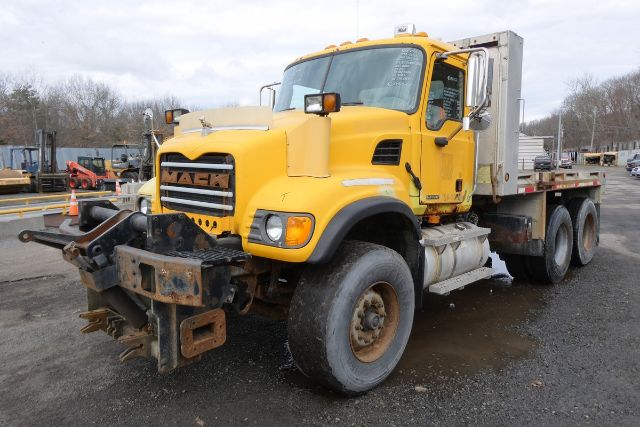
Have mack flatbed truck to sell? List it here to reach thousands of buyers.
Mack Flatbed Trucks in New York
A Mack flatbed truck, also known simply as a flatbed straight truck, is often chosen for applications that require side loading by forklift or top loading by crane. Platform length, deck material, and tie-down layout make a big difference. Steel decks generally favor hard-use environments and point-load durability, while aluminum beds help reduce empty weight and preserve payload. Buyers should check stake pockets, rub rails, winch track, headache rack design, and deck condition, especially on older vocational units that may have seen snowplow, spreader, dump, or municipal service before conversion to flatbed use. In New York and the Northeast, corrosion exposure is a real buying factor, so frame rails, crossmembers, spring hangers, brake components, and electrical connections deserve a close inspection.
Mack models used as flatbeds often come from severe-duty platforms, which is a plus if the truck will carry dense loads or tow equipment. Look closely at rear ratios, suspension type, and PTO or wetline equipment if the truck may support an auxiliary crane, hoist, or hydraulic tool package. A deep rear ratio can improve startability under load but may limit road speed, so route profile matters. Cab-to-axle and cab-to-end dimensions are also worth confirming because they affect usable body size and weight distribution. If bridge law, local permit limits, or tight city access are part of the job, wheelbase and axle spacing become just as important as engine horsepower.
For many buyers, the value in a Mack flatbed is the combination of a heavy vocational chassis and straightforward mechanical components. These trucks are often selected by contractors, building supply operations, municipalities, equipment rental companies, and regional carriers that need a platform truck with more backbone than a light-duty delivery unit. The best choice usually comes down to matching deck length, axle spec, suspension, and gearing to the freight you actually move. A short, high-capacity flatbed for dense material is a different truck than a longer deck built for lighter dimensional loads, and Mack has long been a practical fit for the heavier end of that spectrum.
Frequently Asked Questions about Mack Flatbed Trucks in New York
What should I look for first when buying a used Mack flatbed truck?
Start with GVWR, axle ratings, wheelbase, and deck length because those determine whether the truck matches your load profile. After that, inspect the frame, suspension, bed structure, and drivetrain. On a Mack vocational chassis, pay close attention to Camelback or other heavy suspensions, rear housings, transmission condition, clutch wear, and any signs of frame modification. If the truck has worked in municipal or snow service, corrosion and prior hydraulic equipment installation can be just as important as engine hours or odometer readings.
Are Mack flatbed trucks good for heavy construction and equipment hauling?
Yes, many Mack flatbed trucks are well suited for construction-related hauling because they are commonly built on severe-duty chassis with strong frame rails, high rear axle capacities, and vocational suspensions. They are a solid fit for palletized masonry, steel, pipe, jobsite materials, and compact equipment within the truck's legal and structural limits. The key is to match the truck's deck, tie-down setup, axle spacing, and gearing to the weight and dimensions of the freight rather than relying on make alone.
What engine and transmission setups are common in Mack flatbed trucks?
Used Mack flatbed trucks often have Mack diesel engines rated from the mid-300 horsepower range up into higher vocational outputs, paired with manual transmissions such as 8-speed or 10-speed gearboxes. This setup is common because it offers dependable low-speed pulling power and relatively straightforward maintenance. Some units also include PTO capability or wetline equipment for hydraulic accessories. Buyers should verify horsepower, torque, transmission model, and rear axle ratio together because those specs determine gradeability, road speed, and how the truck performs when loaded.
Why do wheelbase and cab-to-axle measurements matter on a flatbed truck?
Wheelbase and cab-to-axle dimensions control body fitment, turning radius, axle loading, and overall maneuverability. A longer wheelbase can support a longer deck, but it may be less practical on tight jobsites or city streets. Cab-to-axle measurement is especially important when replacing or modifying a body because it affects where the bed sits on the chassis and how weight is distributed between the front and rear axles. On a flatbed, these dimensions are core buying specs, not secondary details.
Are aluminum flatbeds better than steel on a Mack truck?
Neither is automatically better because the right choice depends on the work. Aluminum flatbeds reduce tare weight and can increase payload, which helps when the truck is hauling lighter but bulky freight or trying to maximize legal carrying capacity. Steel beds usually hold up better to repeated forklift impact, chain abrasion, and concentrated point loads common in construction or equipment service. Buyers should compare deck condition, crossmember integrity, and actual application before deciding which material offers better long-term value.