
Mack Flatbed Trucks For Sale in Alaska
Shop Mack flatbed trucks for sale in Alaska. Compare GVWR, bed length, PTO options, axle ratings, and cold-weather-ready work truck specs.
Learn more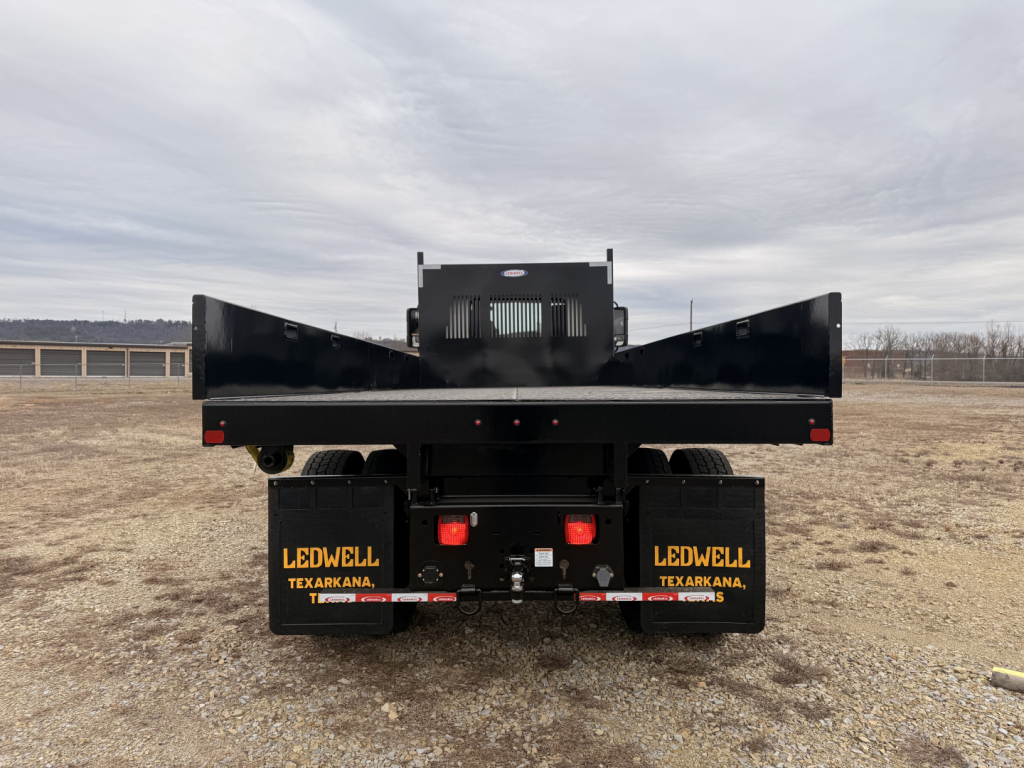
Have mack flatbed truck to sell? List it here to reach thousands of buyers.
About Mack Flatbed Trucks in Alaska
For Alaska use, drivetrain and cold-weather spec matter as much as body spec. Mack flatbed trucks may be equipped with diesel engines in the 6.7L class, automatic transmissions such as an Allison, spring suspensions, and rear axle ratios chosen for pulling power at lower speeds. A buyer hauling pallets, pipe, jobsite materials, or small machines should check rear axle rating, wheelbase, and bed placement carefully to avoid a truck that rides well empty but loads poorly over the rear axle. If the truck will carry forklifts, generators, welders, or palletized freight, look closely at deck length, crossmember spacing, bulkhead strength, and how the body is mounted to the frame. In cold regions, block heaters, battery capacity, traction-oriented tires, corrosion protection, and simple, serviceable components can be more valuable than a higher trim level.
Body details separate a basic flatbed truck from a productive one. Common work-ready features include headache racks above cab height, underbody storage, electric brake hookups, PTO-driven accessories, dump flatbed combinations, and heavy pintle arrangements. That matters for contractors and utility fleets that need one truck to do more than one job. A flatbed, also known as a platform truck in some applications, gives easier side loading than a van body and more flexibility for irregular cargo, but cargo securement becomes a bigger part of the purchase decision. Buyers should inspect rub rails, winch track if equipped, D-rings, chain storage, and the condition of the deck surface. If the truck will see rough access roads or winter work, approach angle, ground clearance, and rear suspension durability deserve as much attention as engine output.
Mack is well regarded for vocational durability, but the right flatbed truck is still the one matched to the load profile. A lighter delivery application may favor maneuverability, automatic transmission operation, and a shorter wheelbase. A contractor hauling denser material or towing trailers may need higher GVWR, a stiffer rear suspension, lower rear gearing, and a more robust hitch package. On used units, buyers should pay close attention to frame condition, body mounting points, hydraulic or electrical add-on systems, and signs of overload wear around the deck, suspension, and brake system. On new builds, it pays to confirm body builder specs, legal payload after upfit, and exact towing capacity rather than relying on chassis ratings alone.
Frequently Asked Questions
What should I look for first when buying a Mack flatbed truck in Alaska?
Start with GVWR, rear axle rating, wheelbase, and the actual flatbed body configuration. Those specs determine payload, load placement, and towing suitability. In Alaska, cold-weather reliability is also critical, so buyers should check for block heaters, strong battery setup, corrosion protection, winter tire compatibility, and simple components that can be serviced easily in remote conditions.
Are Mack flatbed trucks good for towing equipment trailers?
They can be, but towing capability depends on the full truck specification, not just the make. Buyers should verify the hitch type, hitch rating, brake controller or trailer brake setup, rear axle ratio, transmission pairing, and published GCWR if available. A pintle hitch, proper electrical hookups, and suitable rear suspension are common requirements for contractors towing compressors, skid steers, or other jobsite equipment.
What bed features matter most on a flatbed truck?
The most important bed features depend on cargo type, but buyers commonly focus on deck length, steel versus wood or combo construction, rub rails, stake pockets, D-rings, headache rack design, and underbody tool storage. If the truck handles machinery or irregular loads, securement points and deck durability matter more than appearance. If it is used for palletized materials, forklift access, deck height, and side clearance become more important.
Is a single-axle Mack flatbed enough for contractor work?
For many contractor and municipal applications, yes. A single-axle Mack flatbed can be a strong fit for palletized material delivery, service body replacement, light equipment hauling, and local towing support. The key is matching the axle ratings, suspension, and body length to the actual load. If the truck will regularly carry dense payloads or tow heavier trailers, buyers may need a higher-rated chassis or a more specialized vocational setup.
What is the advantage of a flatbed or platform truck compared with a van body?
A flatbed truck offers easier loading from the side, rear, or by crane, which makes it more versatile for construction materials, pipe, equipment, and oversized cargo. A van body protects freight better from weather and theft, but it limits loading access and cargo shape. Buyers choosing a flatbed should place extra attention on cargo securement equipment because the open deck design makes proper tie-down capability essential.