
Used GMC Flatbed Trucks For Sale
Browse used GMC flatbed trucks with common specs, payload considerations, bed configurations, towing setups, and work-ready applications.
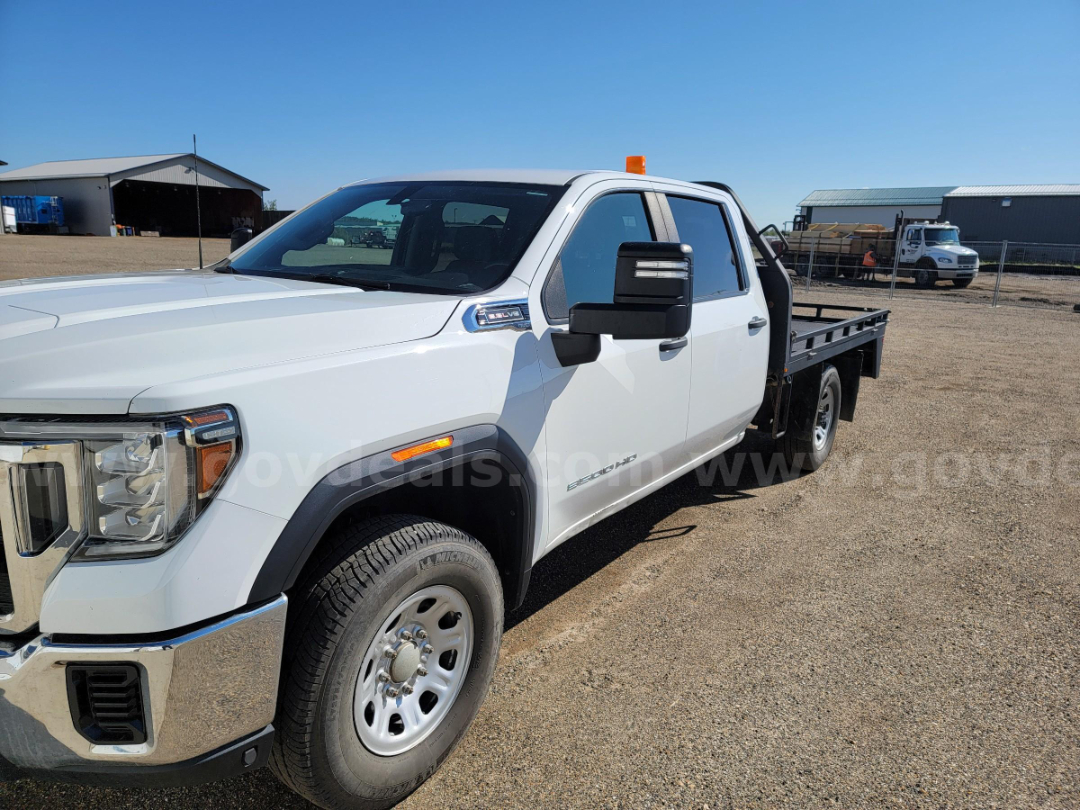
Have used gmc flatbed truck to sell? List it here to reach thousands of buyers.
Used GMC Flatbed Trucks
On the used market, most GMC flatbeds in this class carry steel or aluminum platform bodies, often called flat decks or platform beds. Common features include stake pockets, rub rails, headache racks, gooseneck or fifth-wheel hitches, rear receivers, integrated trailer brake controls, and work lighting. Bed length, deck width, and underbody toolbox layout matter more than many first-time buyers expect, especially if the truck will haul pallets, equipment, pipe, jobsite materials, or tow enclosed and utility trailers. If the truck was used in municipal, utility, landscaping, or contractor service, inspect the deck closely for corrosion, cracked welds, bent crossmembers, and signs of repeated overloading.
Powertrain choice is another key factor on used GMC flatbed trucks. Many newer examples are equipped with the 6.6L V8 gasoline engine, while older and heavier-use units may be found with the Duramax diesel and Allison transmission combination. Gas trucks can make sense for local routes, seasonal work, and lower annual miles. Diesel trucks typically appeal to buyers pulling heavier trailers or covering longer distances under load. Also pay attention to drivetrain needs. A 4x4 GMC flatbed is valuable for oilfield access roads, snow country, utility work, and unpaved jobsites, but it adds complexity and can reduce payload slightly compared with a 4x2 truck.
A well-matched used GMC flatbed truck should be evaluated as a complete working package, not just a pickup with a different body. Check suspension condition, brake type, tire wear, hitch ratings, PTO or auxiliary electrical provisions, and how the bed integrates with the frame. Review axle ratio, wheelbase, and any upfit wiring for beacons, strobes, compressors, or plows if the truck came out of fleet service. For many buyers, the best unit is the one with the right deck layout, towing hardware, and weight rating for the job, not simply the newest model year. GMC flatbeds are especially useful for contractor fleets, farm and ranch work, hotshot support, equipment delivery, and service applications where side access and easy loading matter more than enclosed cargo space.
Frequently Asked Questions about Used GMC Flatbed Trucks
What GMC models are most commonly used as flatbed trucks?
Most used GMC flatbed trucks are built from Sierra HD pickups, especially the Sierra 3500HD. Some lighter-duty applications use a Sierra 2500HD, but the 3500HD is generally better suited for commercial flatbed use because it offers higher GVWR, stronger towing capability, and better compatibility with heavier platform bodies and trailer setups.
Is a GMC flatbed better with gas or diesel?
That depends on how the truck will be used. A gasoline GMC flatbed often works well for local service, municipal duty, seasonal work, and lower-mileage operation because maintenance can be simpler and acquisition cost is often lower. A diesel GMC flatbed is usually the stronger choice for frequent towing, sustained highway use, and heavier combined weights, especially when paired with a gooseneck or fifth-wheel trailer.
What should I inspect on a used GMC flatbed truck before buying?
Focus on the truck and the body as one unit. Inspect the flatbed structure for rust, bent rails, cracked welds, damaged stake pockets, and loose mounting points. Check hitch wear, trailer wiring, suspension sag, brake condition, tire age, and any signs the truck has been operated consistently over its rated capacity. If it has fleet or government history, also look for added wiring, plow mounts, strobes, or auxiliary equipment that may affect condition or future use.
Are GMC flatbed trucks good for towing gooseneck or fifth-wheel trailers?
Many are, especially 3500HD trucks equipped with the proper hitch system, axle ratio, and rear suspension setup. Some flatbed bodies are built with integrated gooseneck balls or fifth-wheel connections, which makes them useful for equipment trailers, livestock trailers, and hotshot-style applications. The key is confirming the actual hitch rating, payload capacity, rear axle rating, and GCWR of the specific truck rather than assuming every flatbed is configured the same way.
What are GMC flatbed trucks commonly used for?
Used GMC flatbed trucks are common in construction, electrical and utility service, landscaping, agriculture, equipment transport, and general contractor work. They are valued for open cargo access from the sides and rear, easy forklift loading, and the ability to carry irregular materials that would not fit inside a pickup box or service body. They also work well for operators who need one truck to handle both payload and trailer duties.