
GMC Flatbed Trucks For Sale in British Columbia
Browse GMC flatbed trucks for sale in British Columbia. Compare deck setups, GVWR, cab styles, towing features, and work-truck options.
Learn more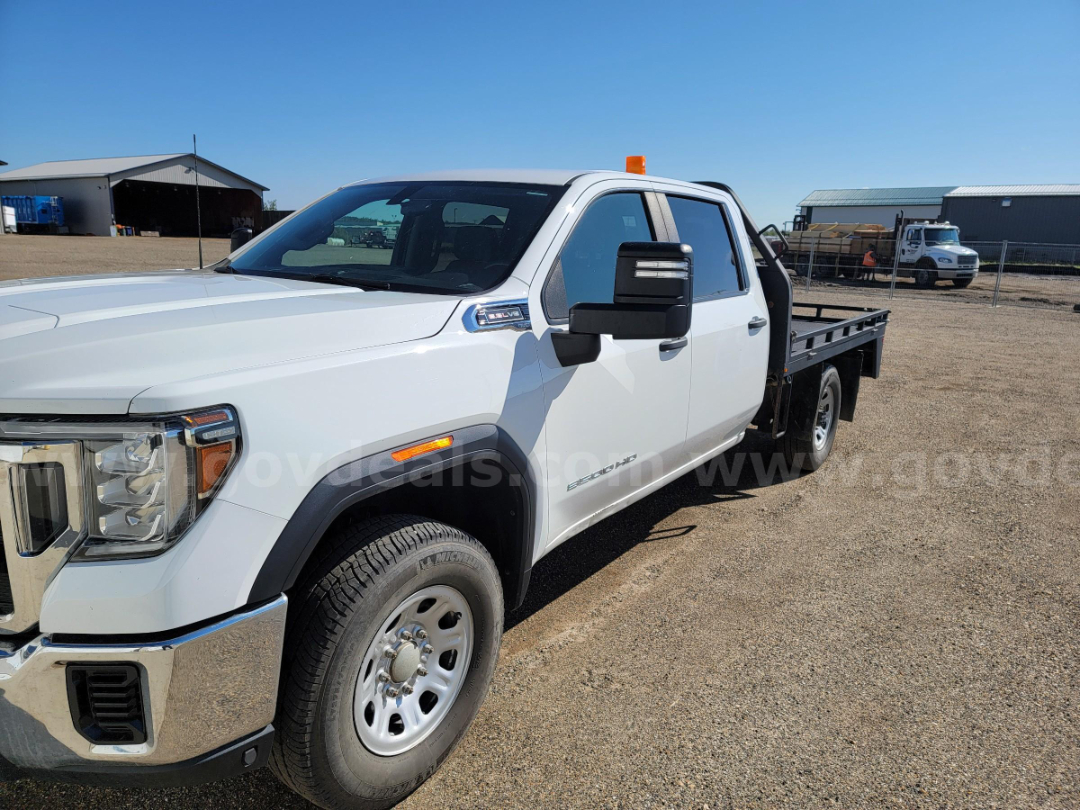
Have gmc flatbed truck to sell? List it here to reach thousands of buyers.
About GMC Flatbed Trucks in British Columbia
The first decision is usually chassis rating and rear axle setup. A GMC Sierra 3500HD flatbed may be configured as single rear wheel or dual rear wheel, and that choice affects payload stability, tire cost, deck width, and how the truck behaves with heavier tongue weight or bed-mounted equipment. Gas and diesel engines are both common in this class. Gas trucks can make sense for lighter regional work with lower acquisition and maintenance costs, while the Duramax diesel is often preferred for heavier towing, more frequent mountain driving, and sustained commercial use. Buyers in British Columbia should also pay attention to 4WD availability, especially for forestry roads, winter service, rural construction access, and snow-season traction.
The bed itself matters as much as the truck. Common flatbed configurations include steel or aluminum decks, removable side rails, headache racks, stake pockets, rub rails, integrated gooseneck or fifth wheel hitches, rear receivers, toolboxes, beacon or strobe lighting, and work lights. Some GMC flatbeds are set up as straightforward material haulers, while others are built as multi-role service trucks with towing packages, plow wiring, compressor mounts, or underbody storage. Deck length, tie-down layout, and floor height all affect real-world usability. A buyer comparing listings should look closely at GVWR, axle ratings, brake type, wheelbase, hitch capacity, and whether the upfit was designed for cargo hauling, trailer towing, or service body-style field work.
Condition on used GMC flatbed trucks should be judged as both truck condition and upfit condition. Bed corrosion, cracked welds, worn deck boards, damaged lighting, loose stake pockets, and hitch wear can change the value of the unit quickly. On the chassis side, pay attention to transmission operation, front-end wear, brake service history, tire condition, and signs of hard commercial use. In a market like British Columbia, frame rust is usually less severe than in heavy salt regions, but buyers still need to inspect underside condition, especially on trucks used near the coast or in winter highway maintenance. A well-matched GMC flatbed gives you the maneuverability of a heavy-duty pickup with the cargo flexibility of a commercial deck, which is why this category remains popular across construction, agriculture, towing support, and public works applications.
Frequently Asked Questions
What is the difference between a GMC flatbed truck and a standard pickup box truck?
A GMC flatbed truck replaces the factory pickup box with an open deck, usually built from steel or aluminum. That gives you better access for forklift loading, easier side loading, and more flexibility for oversized or irregular cargo. It also makes it easier to add stake sides, toolboxes, headache racks, gooseneck hitches, or trailer connections that are harder to integrate cleanly with a standard pickup bed.
Is a GMC Sierra 3500HD a better flatbed choice than a 2500HD?
For many commercial buyers, yes. A Sierra 3500HD generally offers higher GVWR, more payload capacity, and better suitability for heavier trailers or more substantial flatbed upfits. A 2500HD can still work well for lighter-duty hauling or mixed personal and business use, but once the truck is carrying a full deck, tools, and trailer tongue weight, the 3500HD usually provides more margin and better long-term durability.
Should I choose single rear wheel or dual rear wheel on a GMC flatbed?
Single rear wheel trucks are easier to maneuver, simpler in tighter urban spaces, and often less expensive to maintain because they use fewer tires. Dual rear wheel trucks provide better stability under heavy payloads, more confidence when towing larger trailers, and are often the stronger choice for constant commercial use. The right setup depends on deck size, cargo weight, trailer type, and how often the truck will operate at or near its rated capacity.
What flatbed features matter most on a used GMC work truck?
The most important features depend on the job, but buyers usually focus on deck material, tie-down points, stake pockets, headache rack design, hitch setup, toolbox storage, and lighting. Integrated gooseneck or fifth wheel prep can add value for trailer operators, while work lights, beacons, and underbody boxes are useful for contractor and service applications. It is also important to inspect the quality of the upfit installation, including wiring, mounting points, welds, and bed-to-frame attachment.
Are GMC flatbed trucks a good fit for British Columbia operating conditions?
Yes, especially when equipped for mixed terrain and seasonal weather. In British Columbia, many buyers prioritize 4WD, strong towing capability, and a durable bed setup that can handle construction sites, rural roads, snow conditions, and mountain grades. Diesel power is often attractive for heavier towing and long-distance work, while gas models can still be a solid option for municipal, contractor, or local fleet use where loads are moderate and service simplicity matters more.