
Ford Flatbed Trucks For Sale in Arizona
Shop Ford flatbed trucks for sale in Arizona. Compare bed sizes, GVWR, cab options, towing setups, and work-ready upfit features.
Learn more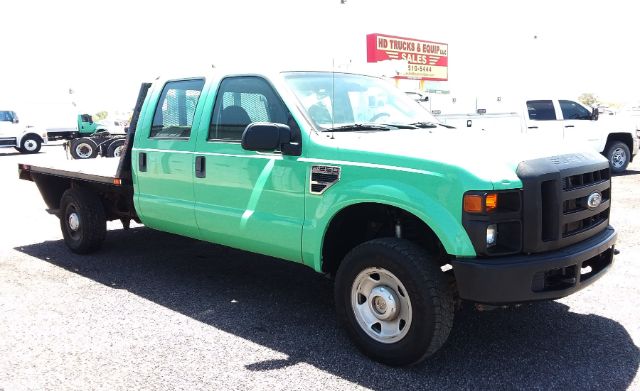
Have ford flatbed truck to sell? List it here to reach thousands of buyers.
About Ford Flatbed Trucks in Arizona
The bed itself is where a flatbed truck earns its value. Buyers should look closely at deck length and width, steel versus aluminum construction, rub rail design, stake pockets, tie-down placement, headache racks, and rear receiver or pintle setups. Some Ford flatbeds are built with recessed gooseneck balls or turnover ball hitches, which can significantly expand trailer options for equipment and livestock hauling. Other details matter in daily use, including integrated toolboxes, underbody storage, LED work lighting, mud flap brackets, and rear apron configuration. A clean-looking truck can still be a poor fit if the deck layout does not match the cargo or trailer type you run.
Powertrain and chassis choices deserve just as much attention. On Ford flatbed trucks, buyers will see both gas and diesel engines, with gas units often favored for lighter annual mileage and lower maintenance complexity, while diesel trucks usually make more sense for heavier towing and higher-duty cycles. Check the truck’s GVWR, rear axle rating, towing equipment, brake controller setup, transmission type, and whether it is 4x2 or 4x4. In Arizona, 4x4 can be a real advantage for unpaved jobsites, ranch roads, and mountain terrain, but it also adds cost and weight. Crew cab, extended cab, and regular cab layouts each change how the truck balances passenger needs against bed length and maneuverability.
Condition on a used Ford flatbed should be judged beyond the cab and paint. Inspect the deck for cracked welds, bent crossmembers, corrosion around mounting points, worn wood or steel flooring, and signs of overloading. Confirm that the hitch equipment, wiring, lights, and trailer brake functions are working properly. Tire condition, front-end wear, and suspension squat under load tell you a lot about how the truck has been used. For buyers comparing multiple listings, the right Ford flatbed truck is usually the one with the bed configuration, payload rating, and towing setup that matches the work, not just the lowest miles or the newest model year.
Frequently Asked Questions
What Ford models are most common as flatbed trucks?
Ford flatbed trucks are most commonly built on F-Series chassis, especially the F-250, F-350, F-450, and F-550. The lighter models are often used for general contractor and farm work, while the heavier chassis are better suited for higher payloads, larger beds, and more serious towing. The exact capability depends on the truck’s cab configuration, axle ratings, wheelbase, engine, and the flatbed upfit itself.
Is a gas or diesel Ford flatbed better for work use?
A gas Ford flatbed can be a smart fit for moderate mileage, local routes, and lighter towing because it usually has a lower acquisition cost and simpler maintenance profile. A diesel Ford flatbed is typically the better choice for heavier trailers, frequent towing, and high annual mileage where low-end torque and sustained load performance matter more. The decision should be based on actual payload, trailer weight, route conditions, and service budget rather than fuel type alone.
What should I inspect on a used Ford flatbed truck?
Focus on the bed structure, chassis condition, and towing hardware before cosmetic details. Check for cracked welds, bent frame rails, rust around bed mounts, damaged rub rails, worn decking, non-functioning lights, and poor trailer wiring repairs. Also inspect suspension wear, tire condition, steering play, brake performance, and signs that the truck has been overloaded or used regularly beyond its rated capacity.
Why does bed design matter on a Ford flatbed?
Bed design directly affects how the truck can be loaded, secured, and used with trailers or equipment. A steel bed may offer durability for severe-duty work, while an aluminum bed can reduce curb weight and preserve payload. Features like stake pockets, rub rails, headache racks, recessed gooseneck hitches, underbody toolboxes, and receiver hitches can make one flatbed far more useful than another even when both trucks share the same chassis.
Is 4x4 important on a Ford flatbed truck in Arizona?
For many Arizona buyers, 4x4 is valuable because flatbed trucks often operate on dirt roads, construction sites, ranch property, and uneven terrain where traction matters. It can also help in northern elevations and remote access areas. A 4x2 truck may still be the right fit for paved-road use and lower operating cost, but buyers working off-highway or towing on loose surfaces usually place a premium on 4x4 capability.