
Chevrolet Flatbed Trucks For Sale in New York
Shop Chevrolet flatbed trucks in New York. Compare Silverado 3500HD to 6500HD, bed materials, payload, frame strength, corrosion resistance, and powertrains.
Learn more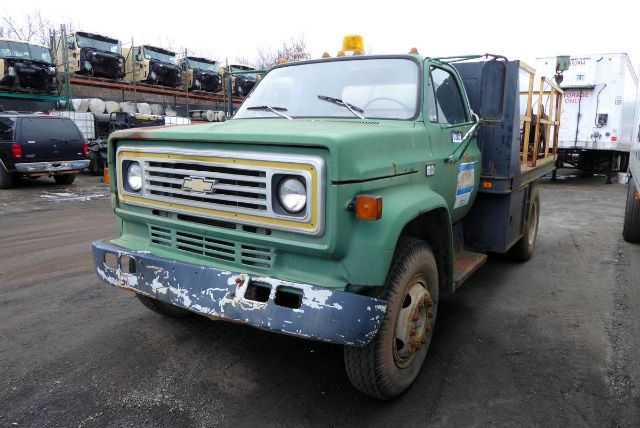
Have chevrolet flatbed truck to sell? List it here to reach thousands of buyers.
About Chevrolet Flatbed Trucks in New York
Floor strength comes from the bed structure, not just the deck surface. Look for tight crossmember spacing, 12 inches on center or closer for forklift loading, heavy sills, properly braced outriggers, and a rigid headache rack. Deck choices include 3/16 inch steel treadplate for impact resistance, apitong or oak plank for shock absorption, and extruded aluminum for weight savings. If you handle point loads like compact equipment or coils, confirm a concentrated load rating and verify rub rail, stake pocket spacing, and tie down capacity. Straight, undamaged rails and a solid scuff setup protect edges and keep chains and straps aligned under tension.
Tare weight controls payload and stopping margins. Aluminum beds, toolboxes, and hoists can shed several hundred pounds compared to steel, which is meaningful on Class 3 to 5 chassis. Steel decks tolerate abuse and are easily repairable, but they carry a weight penalty and rely on coating maintenance. Hardwood or composite floors run quieter, provide wet grip, and limit heat transfer into freight that is sensitive to deck temperature when staged, which can preserve product and reduce claims.
New York road salt demands corrosion conscious specs. Favor e coated or galvanneal frames, sealed harnesses with heat shrink connectors, stainless fasteners, and underbody protection on crossmembers and bed subframes; hot dip galvanizing on bed components is a plus. Inspect spring hangers, frame flanges, bed mounts, brake and fuel lines, DEF tank straps, and the rear overhang for scale or pitting. Cold climate packages with block heaters, battery blankets, heated mirrors, and high idle help uptime, and Duramax aftertreatment warms quickly which shortens winter regen times. Match tire and wheel size to duty, 19.5 inch packages are common on Class 4 to 5 for durability and stability, and verify the CA dimension supports your bed length without pushing weight behind the axle.
Frequently Asked Questions
What GVWR and payload ranges do Chevrolet flatbed trucks cover?
Depending on chassis and generation, Chevrolet flatbeds range from Class 3 to Class 6 and older Class 7. Typical GVWR spans roughly 12,000 to 23,500 pounds on newer Silverado 3500HD to 6500HD models, with legacy Kodiak units reaching higher ratings. Payload is the GVWR minus the curb weight and the installed bed or body, so the final number depends on wheelbase, cab configuration, bed material, hoists, toolboxes, and fuel or DEF tank sizes. Always verify front and rear axle ratings, not just GVWR, to ensure the load can be distributed legally.
Which deck material is best for New York winters and corrosion control?
Aluminum decks and subframes resist rust and cut tare weight, which helps payload and reduces long term maintenance. Galvanneal or e coated steel beds are durable if coatings are maintained, and hot dip galvanizing on steel bed components is very effective where salt brine is common. Hardwood or composite plank provides grip and insulates cargo, but fasteners and sills still need corrosion protection. Regardless of material, sealed wiring, stainless hardware, and regular underbody washing extend service life.
How do I match cab to axle dimension to flatbed length?
Start with the chassis cab to axle dimension and the intended rear overhang. As a general guide, a 60 inch CA often fits an 8 to 9 foot bed, an 84 inch CA fits around a 12 foot bed, a 108 inch CA fits about a 14 foot bed, and a 120 inch CA often fits a 16 foot bed. Verify the body builder guide for the exact chassis, keep the axle to body gap correct for suspension travel, and ensure the finished body does not move the center of mass behind the rear axle. Final weight distribution must keep both axle ratings within limits when loaded.
Should I choose the 6.6L gas or the Duramax diesel with an Allison transmission for a flatbed?
Choose based on duty cycle and total cost. The Duramax with an Allison vocational automatic delivers higher torque, better gradeability with heavy payloads, integrated PTO options for hoists or hydraulics, and stronger engine braking, which suits frequent towing and hilly routes. The 6.6L gas V8 lowers purchase cost and avoids DEF and DPF service, and it works well for lighter loads, shorter routes, and seasonal use. Axle ratio choice matters in both cases, lower numeric ratios help highway fuel economy, higher numeric ratios improve startability and hill performance.
Do I need a CDL to operate a Chevrolet flatbed in New York?
A CDL is required when the truck’s GVWR or the combination’s GCWR is 26,001 pounds or more, or if you carry certain regulated loads. Many Silverado 4500HD to 6500HD builds are spec’d below the 26,001 pound threshold, but towing can push the GCWR higher. An air brake endorsement is only needed if the truck has air brakes, most newer Silverado medium duty trucks use hydraulic brakes. Always confirm the door sticker ratings and consult state regulations before operating.