
Flatbed Trucks For Sale in British Columbia
Shop flatbed trucks for sale in British Columbia. Compare bed lengths, GVWR, suspension, ramps, toolboxes, and work-ready hauling setups.
Learn moreBrowse Flatbed Trucks by Make
Have flatbed truck to sell? List it here to reach thousands of buyers.
About Flatbed Trucks in British Columbia
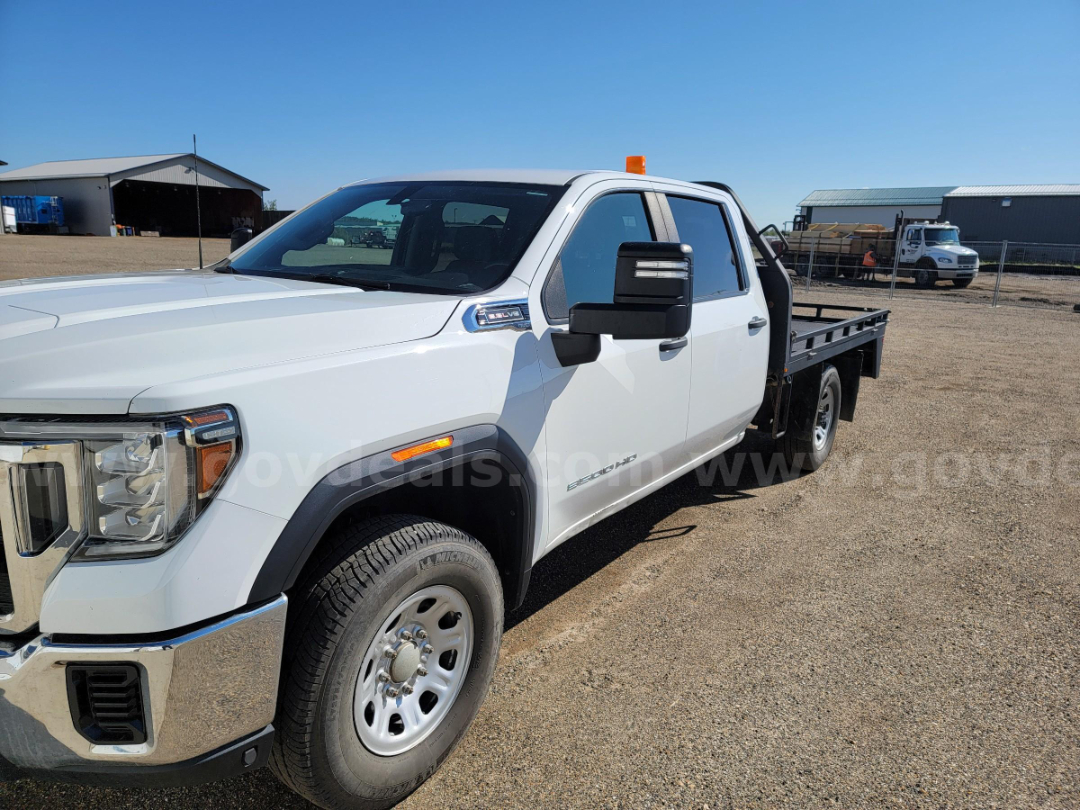
GVWR, axle rating, and deck construction matter more than paint or trim. Medium-duty flatbed trucks commonly fall in Class 5 through Class 7, with single-axle setups, diesel power, and automatic transmissions being especially common in municipal, contractor, and local delivery use. Buyers should compare usable payload after body weight is installed, because a steel deck with headboard, underbody toolboxes, and ramp package can materially reduce net carrying capacity compared with an aluminum bed. Bed lengths often run from about 14 to 24 feet, and deck details like stake pockets, rub rail design, ICC bumper setup, and headboard height affect how easily the truck can be secured, loaded, and put to work.
Suspension and loading style should match the route and cargo. Spring suspension is simple and durable for general material hauling, while air ride can help protect sensitive loads and improve ride quality on mixed road conditions. A liftgate can be valuable for pallet distribution without dependable dock access. For equipment-moving applications, buyers often look for beavertail sections, spring-assisted ramps, diamond plate steel decking, and higher deck capacity ratings. If the truck will spend time in urban areas or tight jobsites, wheelbase, turning radius, cab visibility, and backup camera integration become practical buying points, especially on longer 21- to 24-foot bodies.
British Columbia buyers should also pay close attention to corrosion, frame condition, and how the body was mounted, particularly on used units that may have seen wet coastal service or seasonal road treatment. Crossmember condition, deck wear, ramp hinge points, and toolbox integrity are worth inspecting closely. Diesel medium-duty models from Mack, Chevrolet/GMC, Ford, Kenworth, and similar brands are common in this segment, but the right choice comes down to payload target, deck length, tie-down flexibility, and whether the truck is handling freight, materials, or equipment. A good flatbed truck should be easy to load from multiple angles, simple to secure, and matched to the weight and shape of the cargo it carries every day.
Frequently Asked Questions
What is the difference between a flatbed truck and a stake bed truck?
A flatbed truck has an open platform body designed for side, rear, or overhead loading. A stake bed truck is a flatbed with removable side stakes or panel sides added to help contain cargo. Many buyers use the terms interchangeably, but the presence of stake pockets, removable rails, and side panels changes how the truck handles loose or stacked materials.
What bed length is best for a flatbed truck?
The best bed length depends on the cargo and where the truck operates. Shorter 14- to 16-foot beds are easier to maneuver in cities and on crowded jobsites. Longer 21- to 24-foot beds offer more deck space for pallets, lumber, pipe, or longer freight, but they can limit maneuverability and increase overall vehicle length. The right choice balances load size, turning radius, and axle capacity.
Should I choose a steel flatbed or an aluminum flatbed?
Steel flatbeds are typically preferred for hard use, higher abuse tolerance, and equipment loading applications where ramps, beavertails, and diamond plate decks are common. Aluminum flatbeds reduce body weight, which can improve usable payload and corrosion resistance. In British Columbia, aluminum can be attractive for operators concerned about wet conditions and long-term body corrosion, while steel remains popular for severe-duty work.
Is air ride suspension worth it on a flatbed truck?
Air ride suspension can be worth the added cost if the truck hauls delicate materials, higher-value freight, or mixed loads over uneven roads. It generally improves ride quality and can reduce cargo shock compared with spring suspension. For general contractor work, palletized materials, and simpler local routes, spring suspension remains a common and dependable choice because it is straightforward and durable.
What should I inspect on a used flatbed truck?
Focus on frame condition, body mounting points, deck surface wear, crossmembers, headboard integrity, stake pockets, rub rails, and any ramp or beavertail hardware. Check for corrosion, repairs, cracked welds, and uneven deck loading damage. On the chassis side, verify GVWR, axle ratings, suspension type, brake condition, tire condition, and transmission operation. A used flatbed should be evaluated as both a truck and a working body, because body repairs can be costly and affect payload, safety, and usability.