
Flatbed Trucks For Sale in Arizona
Shop flatbed trucks for sale in Arizona. Compare bed lengths, payload, chassis specs, towing features, and work-ready upfit options.
Learn moreBrowse Flatbed Trucks by Make
Have flatbed truck to sell? List it here to reach thousands of buyers.
About Flatbed Trucks in Arizona
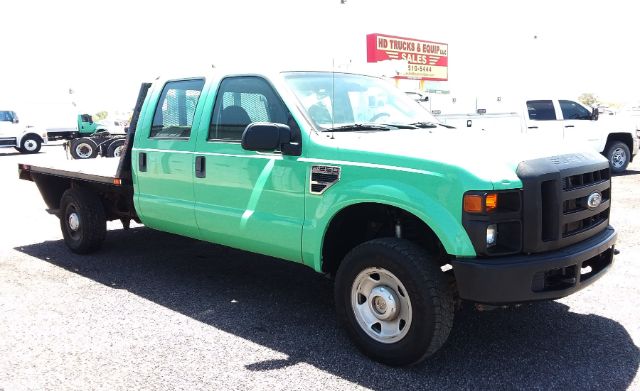
The first buying decision is usually chassis size and deck configuration. Light-duty flatbeds on pickup-based chassis like Ford F-250, F-350, Ram 2500 or 3500, and Chevrolet Silverado 2500HD or 3500HD are common for mixed personal and business use, especially when towing is part of the job. Medium-duty flatbed trucks step up payload, frame strength, axle capacity, and bed length for heavier daily service. Buyers should compare cab style, wheelbase, GVWR, rear axle ratio, suspension type, and fuel choice since those factors directly affect payload, towing, ride quality, and maneuverability. On the body itself, steel decks are favored for durability and hard use, while aluminum helps reduce curb weight and preserve payload. Common upfit details include headache racks, rub rails, stake pockets, D-rings, recessed gooseneck balls, receiver hitches, toolboxes, fold-down sides, and rear-mounted work lights.
A good flatbed is defined as much by securement and deck usability as by engine or transmission. Buyers should inspect deck length and width, crossmember spacing, floor material, tie-down points, and how the body is mounted to the chassis. If the truck will carry pallets, check for clean forklift access and adequate deck height. If it will tow trailers, verify hitch ratings, brake controller setup, wiring, and any gooseneck or fifth-wheel provisions. In Arizona, sun exposure and heat can accelerate wear on paint, wiring, tires, seat material, and rubber components, so body condition and maintenance history matter. For rural or off-pavement work, 4x4 availability, ground clearance, and all-terrain tire fitment can be more important than maximum bed size.
The best flatbed truck is the one matched to the load profile, not just the biggest deck. A short, heavy-duty flatbed with a gooseneck hitch can be the right fit for equipment towing, while a longer platform with stake sides may be better for building materials or municipal work. Buyers comparing listings should look closely at payload-related specs, axle ratings, engine output, towing hardware, and the details of the bed upfit rather than focusing only on odometer reading or cab trim. A properly spec'd flatbed truck can cover a wide range of jobs with less loading hassle and better cargo flexibility than many enclosed body types.
Frequently Asked Questions
What is a flatbed truck used for?
A flatbed truck is used to haul cargo that benefits from open-deck loading and flexible tie-down points. Common loads include pallets, lumber, pipe, irrigation supplies, small equipment, utility materials, and jobsite tools. Because the deck is open on the sides and rear, forklifts and cranes can load from multiple angles, which is a major advantage over pickup boxes and enclosed bodies.
How do I choose the right flatbed truck size?
Start with the actual weight and dimensions of the loads you move most often. Payload capacity, GVWR, rear axle rating, deck length, and towing requirements matter more than overall appearance or trim level. Light-duty flatbeds work well for contractors and mixed-use applications, while medium-duty models are better for higher payloads, longer decks, and daily commercial hauling.
Is steel or aluminum better for a flatbed body?
Steel flatbeds are usually preferred for severe-duty service because they handle abrasion, impacts, and concentrated loads well. Aluminum flatbeds reduce body weight, which can improve payload and corrosion resistance. The better choice depends on how the truck will be used, how important every pound of payload is, and whether the operating environment is harder on structure or finish.
What features should I look for on a work-ready flatbed truck?
Useful flatbed features include a headache rack, stake pockets, rub rails, D-rings, rear receiver hitch, gooseneck ball, trailer wiring, brake controller, integrated toolboxes, and good work lighting. If the truck will be loaded by forklift, deck height and side access are important. If it will tow regularly, confirm hitch ratings and trailer brake setup instead of assuming the body hardware matches the chassis capability.
Are 4x4 flatbed trucks worth it in Arizona?
For buyers working on ranches, construction sites, utility easements, or unpaved access roads, 4x4 can be a strong advantage. It improves traction on dirt, gravel, sand, and washboard surfaces and can reduce downtime when conditions change. If the truck will stay on pavement and carry heavier payloads every day, a 4x2 chassis may offer lower cost, simpler maintenance, and slightly better payload efficiency.