
Flatbed Trucks For Sale in Alaska
Browse flatbed trucks for sale in Alaska. Compare deck lengths, GVWR, drivetrain, and upfit features for hauling equipment, materials, and freight.
Learn moreBrowse Flatbed Trucks by Make
Have flatbed truck to sell? List it here to reach thousands of buyers.
About Flatbed Trucks in Alaska
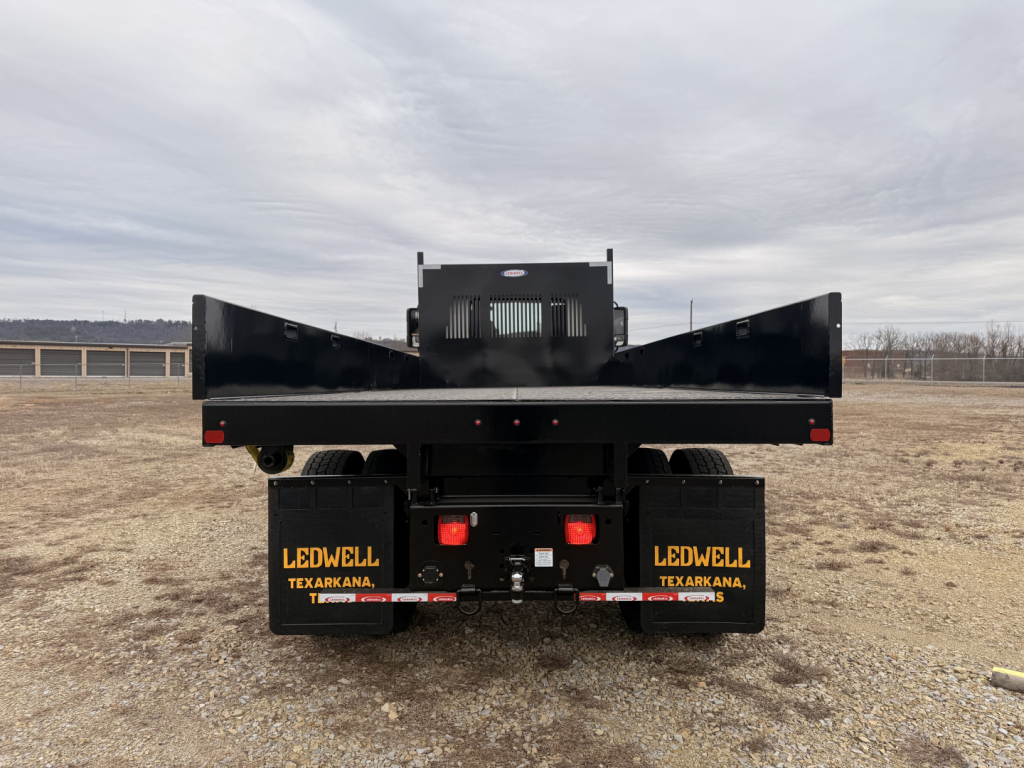
On the spec side, buyers usually start with GVWR, axle ratings, wheelbase, and bed length. Common flatbed truck setups range from medium-duty Class 6 and Class 7 chassis for municipal, delivery, and contractor work up to heavier Class 8 configurations for more demanding payloads and trailer towing. Decks are commonly steel or aluminum, with steel favored for severe-duty use and aluminum chosen to reduce tare weight and improve payload. In Alaska, buyers often pay close attention to headache racks, rub rails, stake pockets, D-rings, pintle hitches, trailer brake controls, toolbox placement, and bed height for easier loading. If the truck will handle mixed on-road and jobsite use, rear suspension type, rear axle ratio, and tire choice matter just as much as horsepower.
Application should drive body style. A straight flatbed is the standard choice for general freight, building supply, machinery hauling, and support work. Some trucks in this category are equipped with dump-style flatbeds or combination bodies that add more flexibility for aggregate, debris, or material handling. Others may be set up for towing with a pintle hitch and electric or air trailer brake provisions. In colder climates, buyers should look closely at corrosion resistance, deck surface condition, lighting protection, battery and starting system performance, and how the body is mounted to the chassis. Ground clearance, traction setup, and service access are also worth checking if the truck will spend time off pavement or in winter conditions.
A good flatbed truck is less about appearance and more about how the chassis and body are matched. Look at usable deck space, crossmember construction, securement points, frame capacity, and whether the powertrain is appropriate for the gross vehicle weight and terrain. If you regularly haul compact equipment, pipe, lumber, generators, or jobsite materials, a flatbed truck offers one of the most versatile body styles in the market. The best unit for the job will have enough payload, the right deck configuration, and securement hardware that fits the freight without forcing workarounds.
Frequently Asked Questions
What should I look for first when buying a flatbed truck?
Start with GVWR, front and rear axle ratings, wheelbase, and actual deck dimensions. Those numbers determine payload, body fitment, turning radius, and how well the truck matches your loads. After that, check the securement package, including rub rails, stake pockets, D-rings, headache rack, and hitch setup, because those details affect day-to-day usability more than cosmetic features.
What deck material is better for a flatbed truck, steel or aluminum?
Steel decks are typically preferred for severe-duty work because they hold up well to equipment, pallet impacts, and rough jobsite use. Aluminum decks reduce body weight, which can improve payload and fuel economy, and they resist corrosion well. The better choice depends on how hard the deck will be used, what you haul, and whether lower tare weight matters more than maximum durability.
Are flatbed trucks good for Alaska operating conditions?
Flatbed trucks are well suited for Alaska because they handle irregular freight, support crane and forklift loading, and work well in construction, utility, and remote service applications. Buyers should pay extra attention to cold-weather starting, lighting protection, corrosion resistance, tire selection, traction, and how easily the truck can be serviced in harsh conditions. Body hardware and securement points should also be checked for rust, ice exposure, and heavy-use wear.
What is the difference between a flatbed truck and a stake bed truck?
A flatbed truck has an open platform body designed for loading from the sides, rear, or above. A stake bed is a flatbed fitted with removable side panels or stakes, which helps contain loose or stacked material while keeping much of the loading flexibility of a standard flatbed. Many buyers use the terms interchangeably, but the removable side structure is the main difference.
Can a flatbed truck be used for towing equipment or trailers?
Yes, many flatbed trucks are equipped to tow trailers, especially when fitted with a pintle hitch, proper brake controls, and the correct rear axle and suspension setup. The important step is verifying the truck's towing capacity, hitch rating, GCWR, and brake provisions rather than assuming every flatbed is built for the same trailer work. A flatbed used for combined hauling and towing should be spec'd around both payload on the deck and trailer weight behind the truck.