
E-One Fire Trucks For Sale
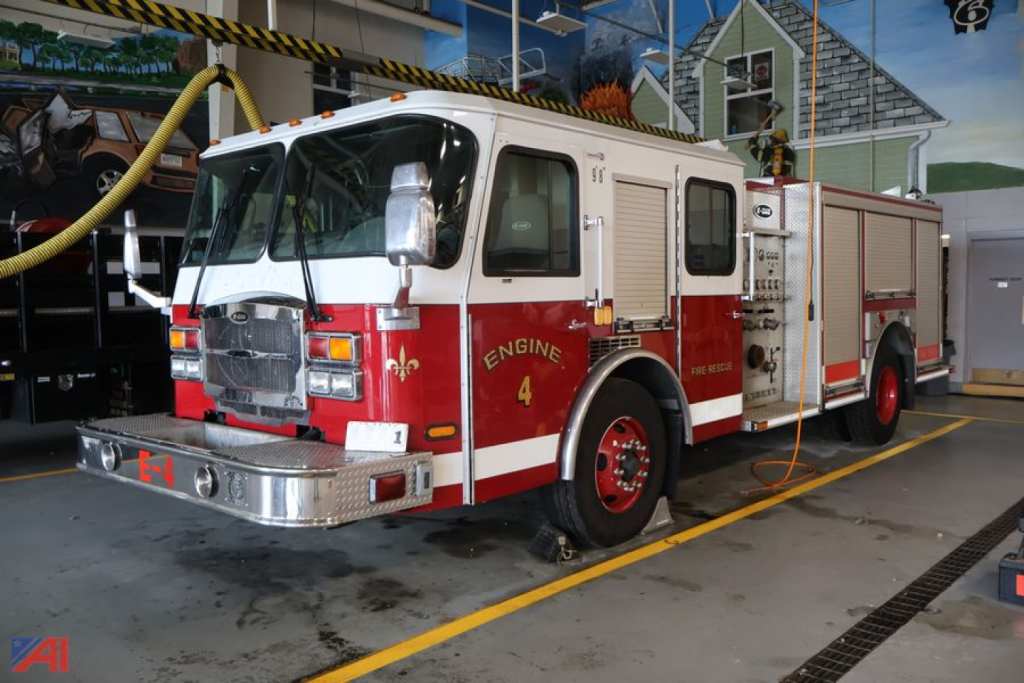
Have e-one fire truck to sell? List it here to reach thousands of buyers.
E-One Fire Trucks
On pumper and rescue pumper units, common points of comparison include NFPA-compliant pump packages, water tank capacity, foam system integration, generator output, and compartment access. E-One apparatus often appeal to departments that want corrosion resistance and lighter body construction without giving up compartment volume. Buyers should still look closely at pump hours, engine hours, maintenance records, PTO operation, and any refurbishment history. On older municipal units, condition matters more than model year alone. A well-documented truck with a tested pump, working electrical system, and current service records can be a stronger value than a newer unit with deferred maintenance.
For E-One ladder trucks and aerial apparatus, the inspection process needs to go deeper. Aerial length, ladder or platform style, jack spread, travel height, overall wheelbase, and turning radius all affect how well the truck fits an urban district or a tight suburban response area. Confirm current aerial test documentation, structural inspection history, and the condition of outriggers, hydraulic systems, interlocks, and turntable components. Cab-over-engine E-One ladder trucks can be attractive where maneuverability is important, but buyers still need to verify axle weights, tire condition, and chassis serviceability. If the truck is being repurposed for industrial, airport, or training use, compatibility with local operating requirements is just as important as the purchase price.
E-One fire apparatus can be a practical fit for career departments, volunteer departments, industrial brigades, and export buyers, especially when the truck's original build sheet matches the intended application. Pay attention to seating capacity, SCBA seat positions, pump panel layout, hosebed configuration, and compartment dimensions because these details directly affect day-to-day usability. Parts support, engine make, transmission spec, and emissions requirements should also be reviewed before purchase, particularly on older units moving across state lines or into a different regulatory environment. In this category, the best buy is usually the truck with the clearest service history, the right apparatus type for the job, and test records that support immediate deployment.
Frequently Asked Questions about E-One Fire Trucks
What types of E-One fire trucks are most common on the used market?
The most common E-One fire trucks on the used market are pumpers, rescue pumpers, aerial ladder trucks, platform trucks, tankers, and occasional specialty rescue units. Availability usually reflects municipal replacement cycles, so buyers often see older frontline apparatus transitioning into reserve, volunteer, industrial, or export service. The exact mix can vary by region, but pumpers and ladder trucks are typically the most visible categories.
What should I inspect first on a used E-One ladder truck?
Start with aerial test records, structural inspection reports, and maintenance documentation for the ladder assembly, outriggers, hydraulic systems, and turntable. After that, review chassis condition, axle ratings, tire age, corrosion points, and the operation of interlocks and safety systems. A ladder truck can look clean cosmetically and still require expensive repairs, so documented testing and service history are critical.
Are E-One fire trucks known for aluminum body construction?
Yes. E-One is well known for aluminum body construction, which can help reduce weight and improve corrosion resistance compared with some traditional body designs. That can be an advantage for departments concerned with longevity, payload flexibility, and compartment durability. Buyers should still inspect for galvanic corrosion, accident repair, body cracking, and wear around high-stress mounting points.
How important are pump hours and engine hours on an E-One pumper?
Pump hours and engine hours are both important because they measure different kinds of wear. Engine hours reflect total chassis and powerplant use, while pump hours indicate wear on the fire pump system and related components. A truck with moderate mileage but very high pump hours may have substantial operational wear, so buyers should compare both figures alongside service records, pump test results, and signs of deferred maintenance.
Can an older E-One fire truck still be a good buy for a department or industrial site?
Yes, if the apparatus matches the intended use and has current test records, solid maintenance history, and serviceable major components. Older E-One fire trucks are often purchased for reserve duty, training, rural fire protection, industrial response, or export use. The key is confirming that the truck's pump, aerial if equipped, electrical system, braking system, and chassis components can support reliable operation without immediate major refurbishment.