
Trucks For Sale Near Fall River, Wisconsin
Browse trucks for sale in Fall River, Wisconsin, including day cabs and sleeper tractors with spec details for regional and over-the-road use.
Learn more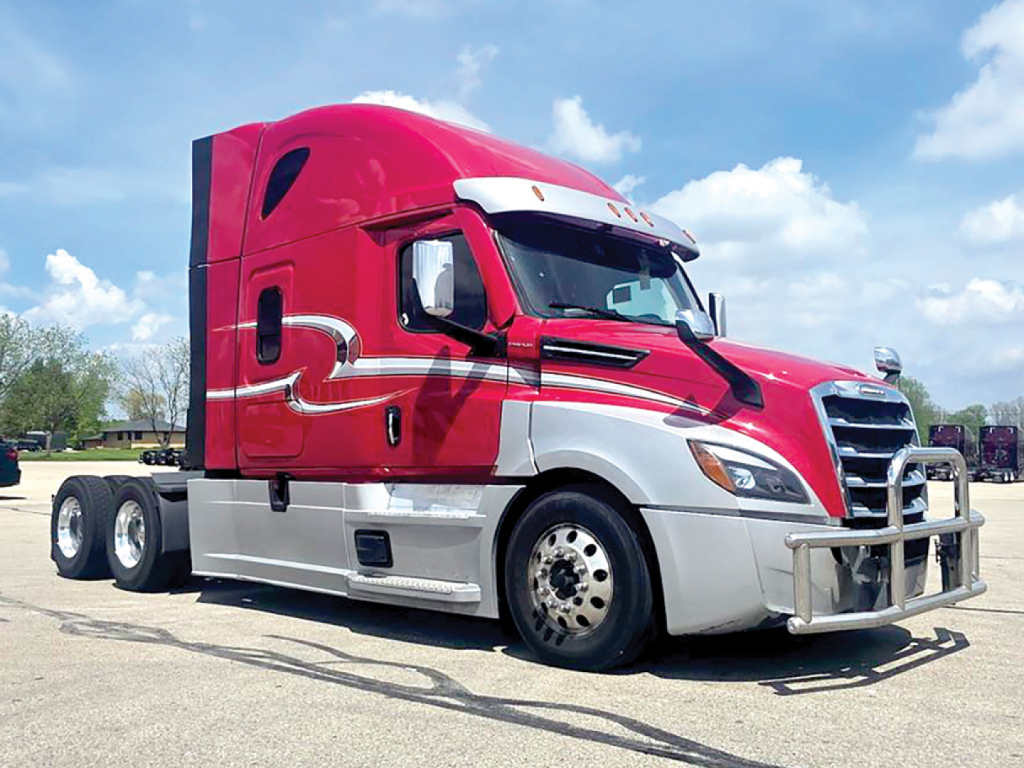
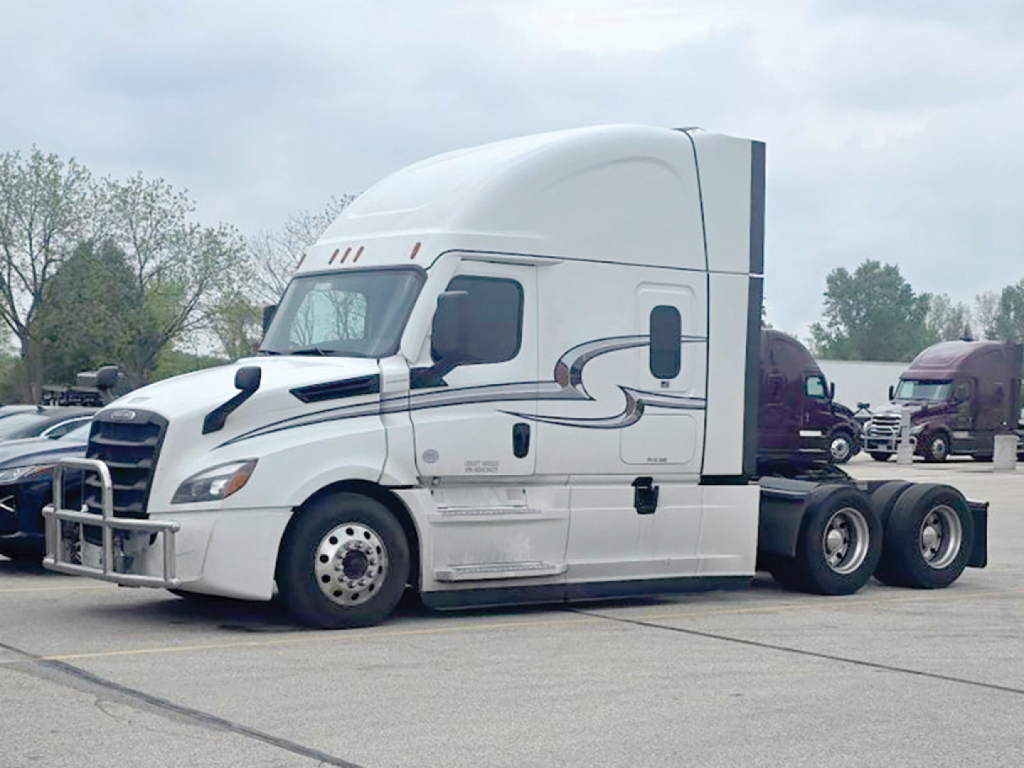
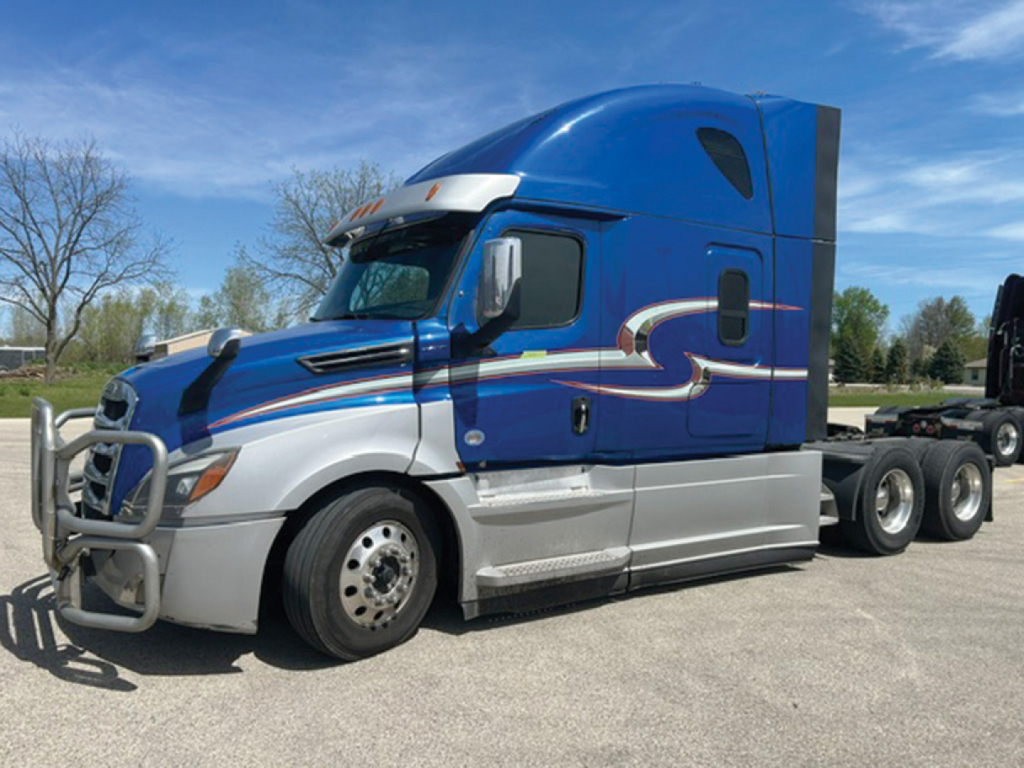
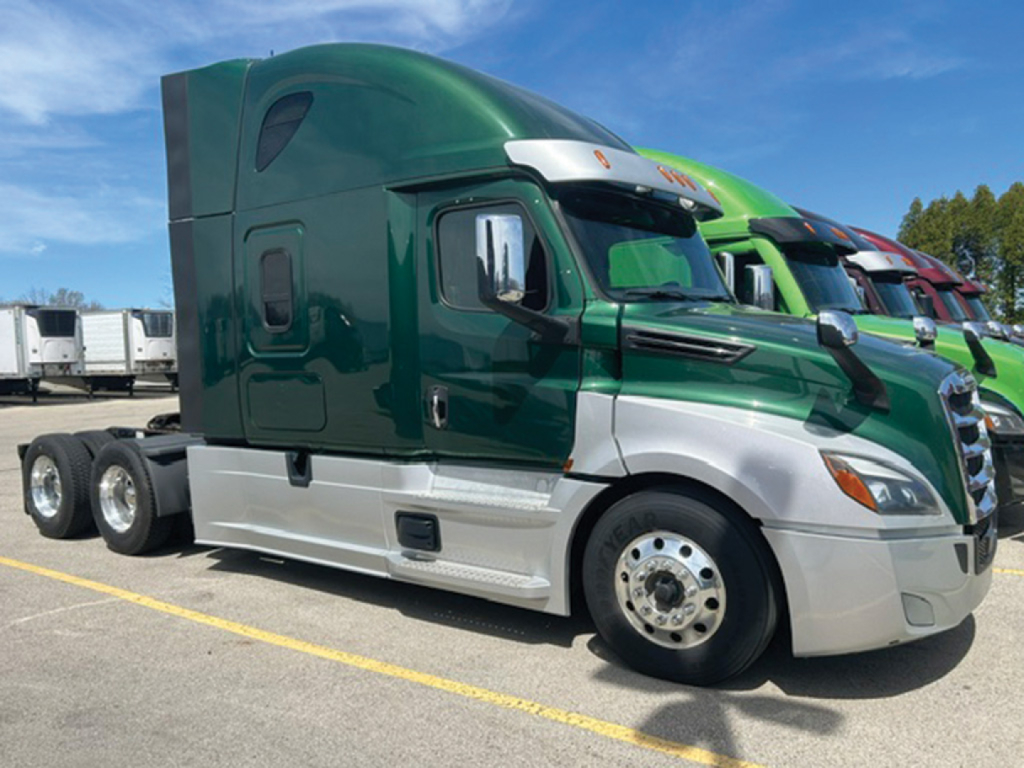
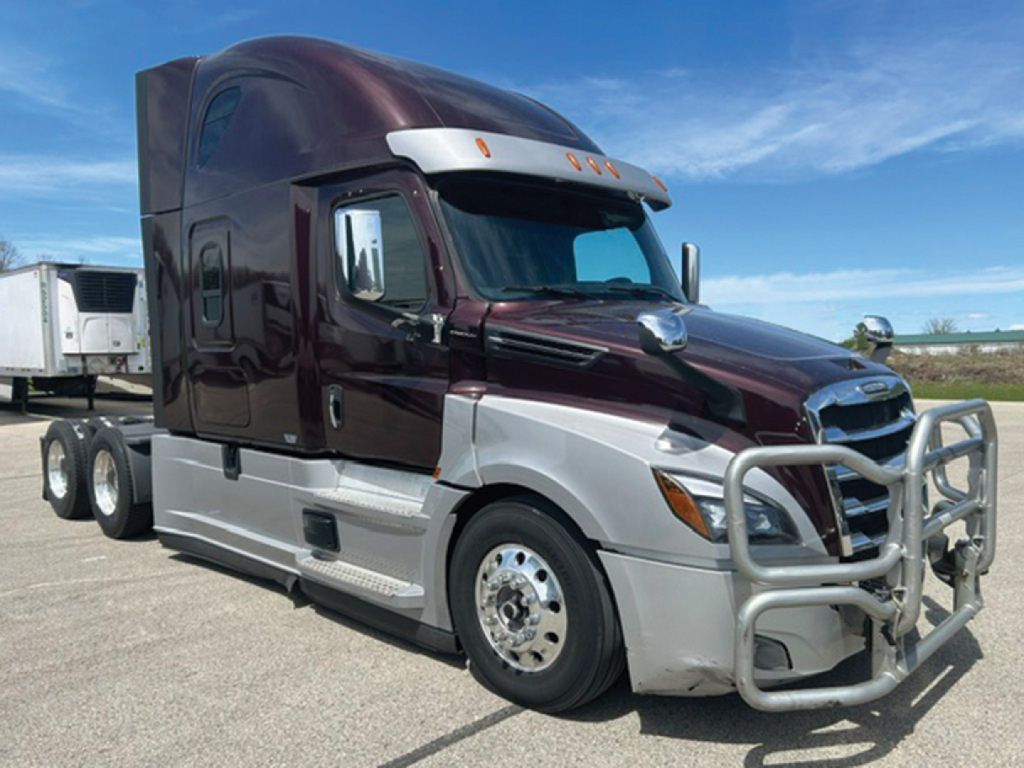
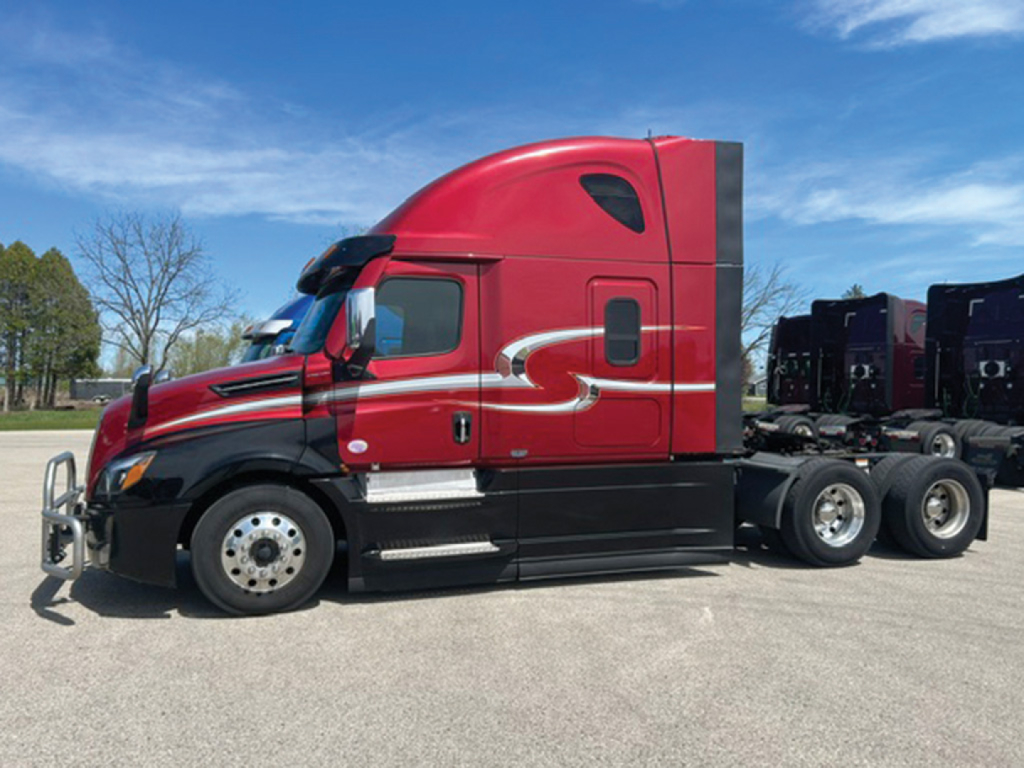
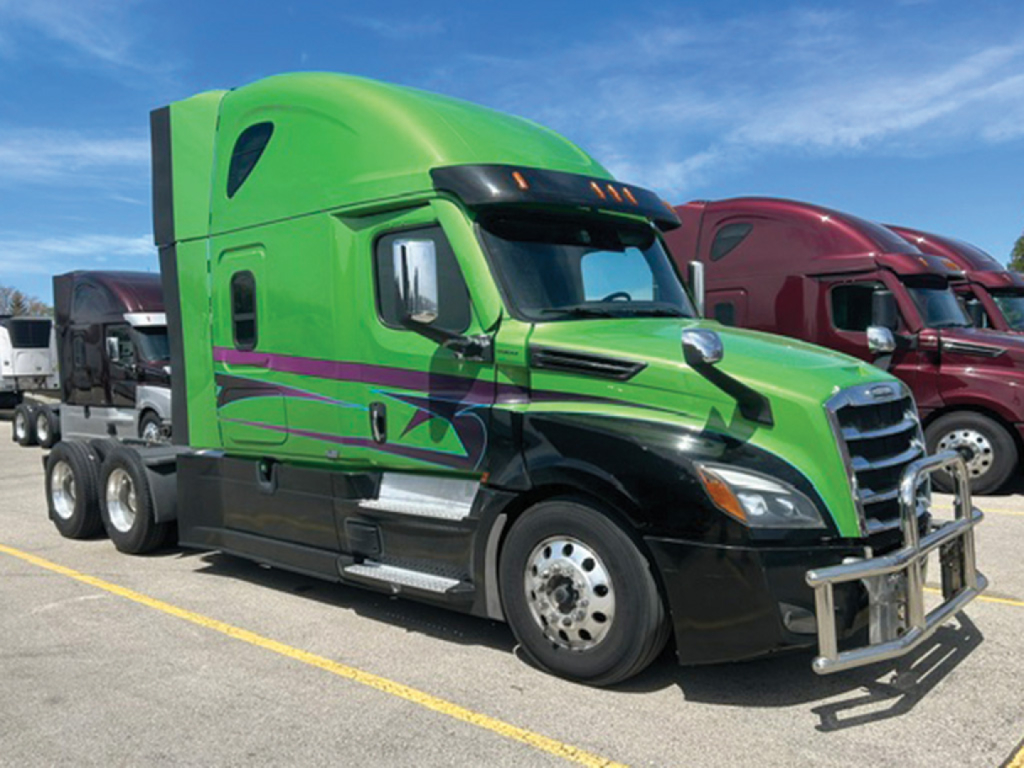
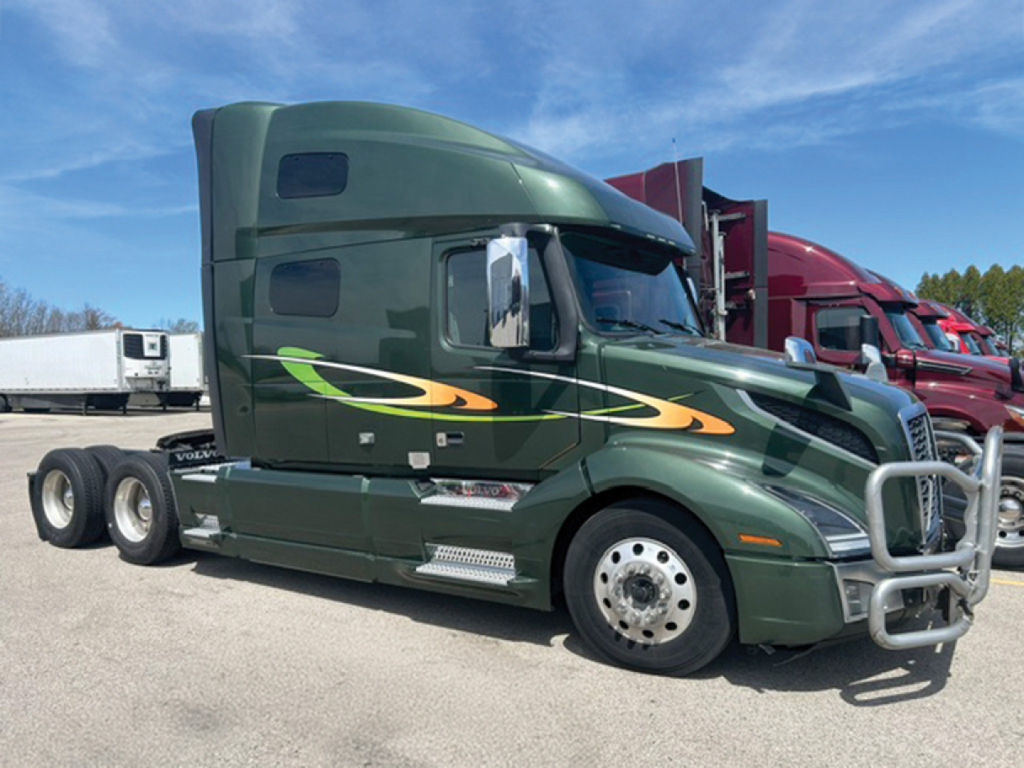
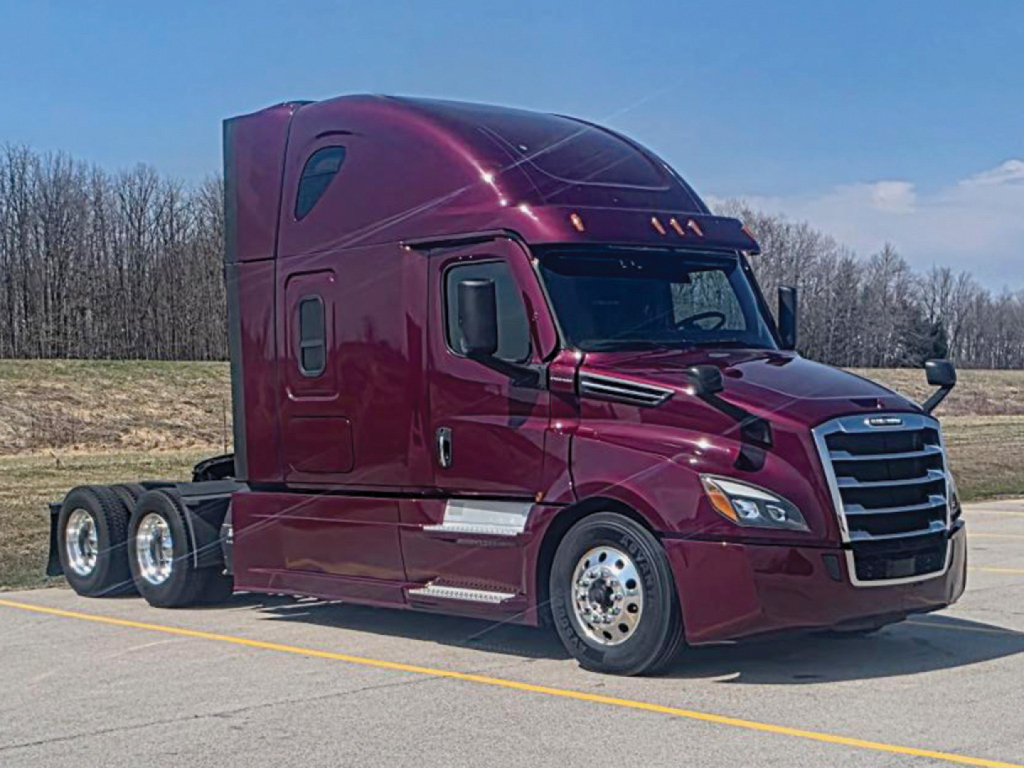
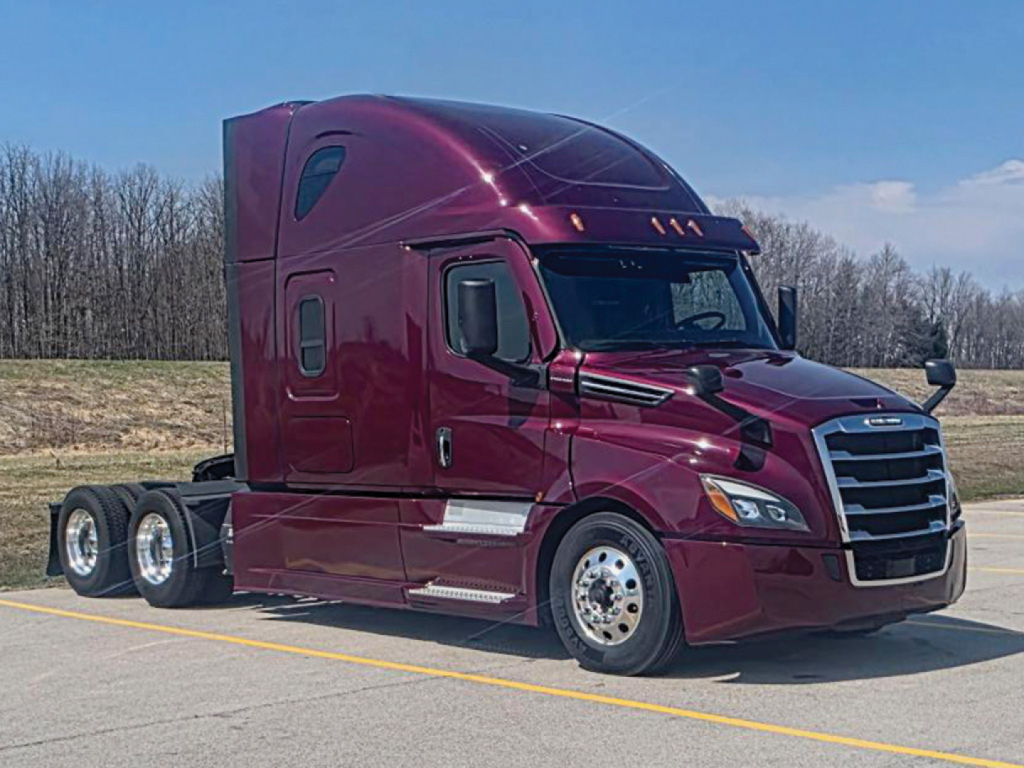
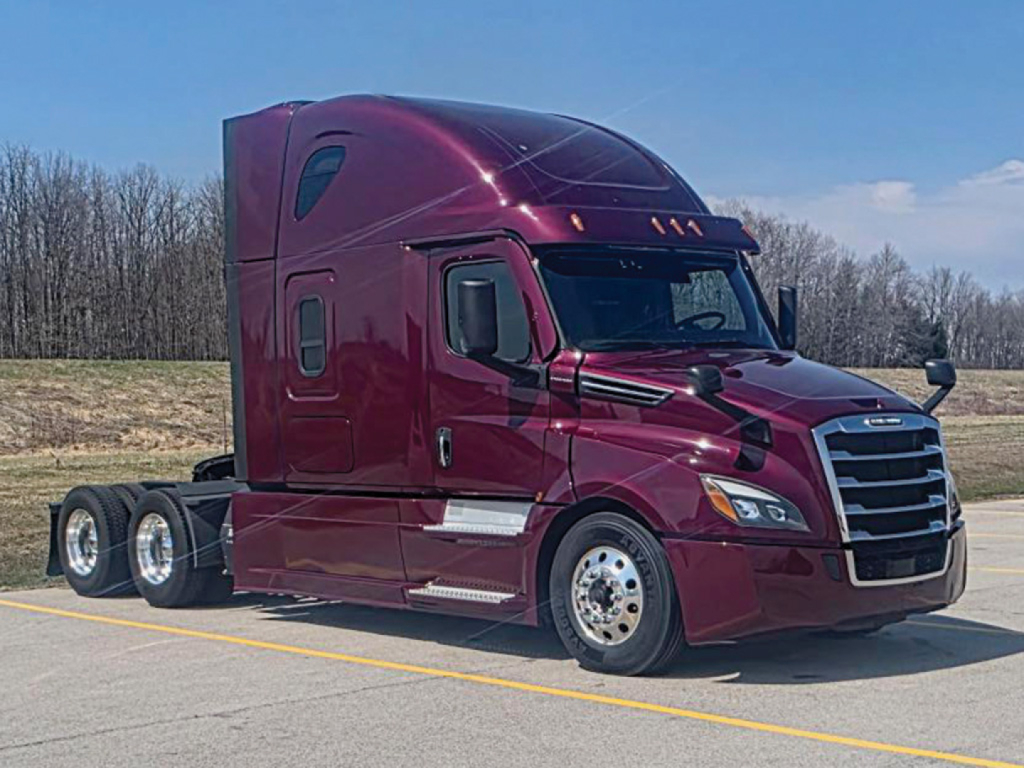
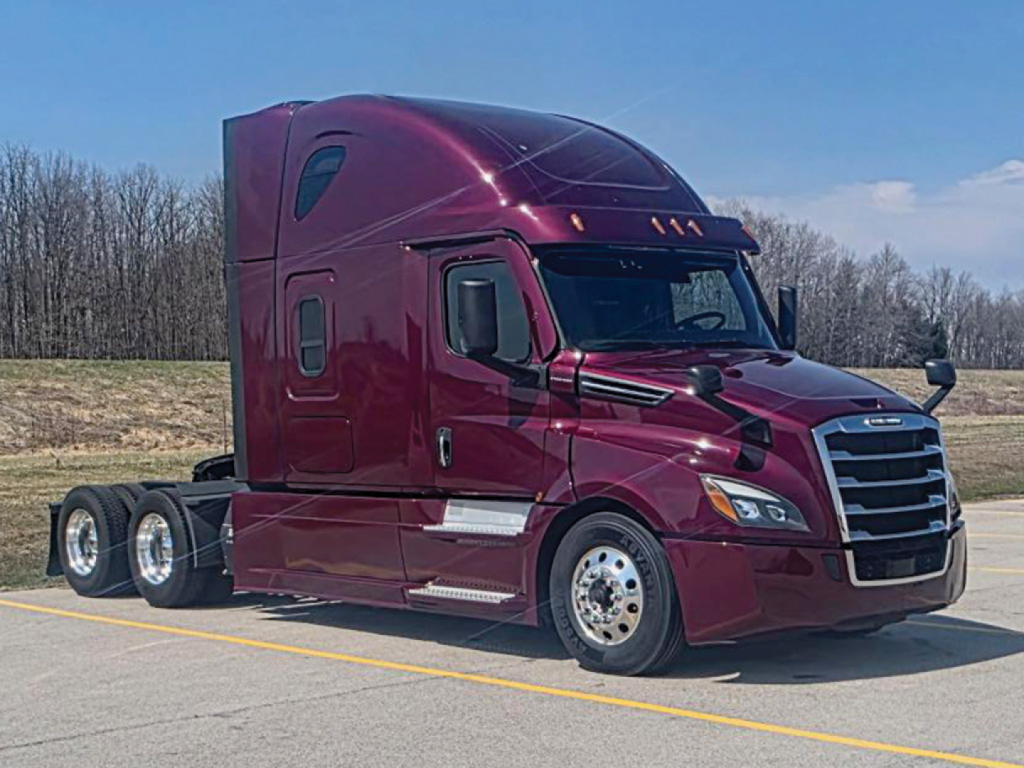
Showing 13 to 24 of 29 results
Have truck to sell? List it here to reach thousands of buyers.
About Trucks Near Fall River, Wisconsin
Common specs in this category range from older mechanical-style fleet tractors to late-model aerodynamic highway trucks with automated manual transmissions. Buyers will regularly compare engines such as the Detroit DD15, Cummins L10, and other linehaul diesels in the roughly 300 to 505 horsepower range, along with engine brakes, 10-speed or 14-speed manual gearboxes, and DT12-style automated transmissions. Rear axle ratings around 36,000 to 40,000 pounds are typical for highway tractors, and ratio selection makes a big difference in fuel economy and startability. A 2.28 or 2.41 rear ratio generally fits long-haul, downsped operation, while something like a 3.73 or 3.90 ratio is more aligned with vocational pulls, older spec regional work, or routes with more stop-and-go and lower average speeds.
For a buyer comparing used trucks for sale, cab and chassis details matter as much as the badge on the hood. Air ride suspension is the standard choice for ride quality and trailer protection in general freight, while spring suspension still shows up on older or simpler fleet specs. Adjustable fifth wheels help when one tractor needs to handle multiple trailer lengths or kingpin settings. Disc brakes, low-profile 22.5 or 24.5 rubber, aluminum fuel tanks, aerodynamic fairings, cab extenders, and wheelbase in the mid-150-inch to mid-230-inch range all tell you what job the truck was designed to do. On sleeper units, practical items like bunk heaters, APUs, refrigerators, upper bunks, and workstation layouts can have a real effect on driver retention and idle reduction, especially in Upper Midwest service where seasonal temperature swings are hard on both drivers and batteries.
The best truck is the one with a spec that fits the freight, not the one with the most equipment. A fleet hauling van freight at interstate speeds may prioritize a raised-roof sleeper, automated transmission, aerodynamic package, and a tall final drive for fuel efficiency. A buyer covering local shuttles, short hopper work, or frequent dock moves may lean toward a day cab with a shorter wheelbase, manual transmission, and a more aggressive rear ratio. When reviewing any truck for sale, pay close attention to engine family, emissions system generation, transmission type, rear axle ratio, wheelbase, suspension, and brake configuration. Those details will tell you far more about operating cost, driver acceptance, and resale value than model year alone.
Frequently Asked Questions
What is the difference between a day cab truck and a sleeper truck?
A day cab truck has no sleeper compartment and is intended for local or regional work where the driver returns home or to a terminal the same day. A sleeper truck includes a bunk area behind the seats and is built for over-the-road service, typically with more storage, higher fuel capacity, and comfort features such as bunk heaters, refrigerators, and raised-roof sleepers. The choice comes down to route length, dwell time, and driver scheduling rather than just horsepower.
What rear axle ratio is best for a highway tractor?
The best rear axle ratio depends on speed, terrain, transmission, tire size, and freight weight. Ratios such as 2.28 or 2.41 are common in aerodynamic sleeper tractors designed for fuel-efficient interstate running with automated manual transmissions. Ratios like 3.73 or 3.90 are better suited to heavier start-stop work, lower-speed regional service, or older manual-transmission specs where gradeability matters more than top-end fuel economy. A mismatch between axle ratio and application can hurt both performance and operating cost.
Are automated manual transmissions a good choice in used trucks?
Automated manual transmissions are a strong fit for many fleet and owner-operator applications because they reduce driver fatigue, improve shift consistency, and often support downsped fuel-economy specs. They are especially common in late-model highway tractors paired with integrated powertrains such as a Detroit engine and DT12 transmission. Buyers should still review clutch history, software updates, calibration records, and how the transmission was spec'd with the rear ratio, because drivability depends on the complete combination, not the transmission alone.
What truck specs matter most when comparing used highway tractors?
The most important specs are engine model, horsepower and torque rating, transmission type, rear axle ratio, axle capacity, suspension, wheelbase, brake type, and sleeper or day cab configuration. Those items determine how the truck starts loads, cruises at highway speed, handles trailer length, rides under load, and consumes fuel. Secondary features such as APUs, fairings, disc brakes, and adjustable fifth wheels also matter because they affect driver comfort, maintenance cost, and flexibility across different trailer setups.
Why does wheelbase matter on a semi truck?
Wheelbase affects maneuverability, ride quality, weight distribution, and trailer compatibility. A shorter wheelbase generally works better for urban deliveries, tight yards, and frequent backing, while a longer wheelbase is common on sleeper tractors built for highway stability and larger fuel capacity. Wheelbase also interacts with fifth wheel position and kingpin settings, so buyers should make sure the tractor can legally and practically handle the trailers they intend to pull.