
Freightliner Expeditor/Hot Shot Trucks For Sale
Freightliner expeditor and hot shot trucks built for expedited freight, regional delivery, and straight-truck applications with practical spec options.
Selling a freightliner expeditor/hot shot truck? List your freightliner expeditor/hot shot truck for sale and reach thousands of commercial buyers.
Freightliner Expeditor/Hot Shot Trucks
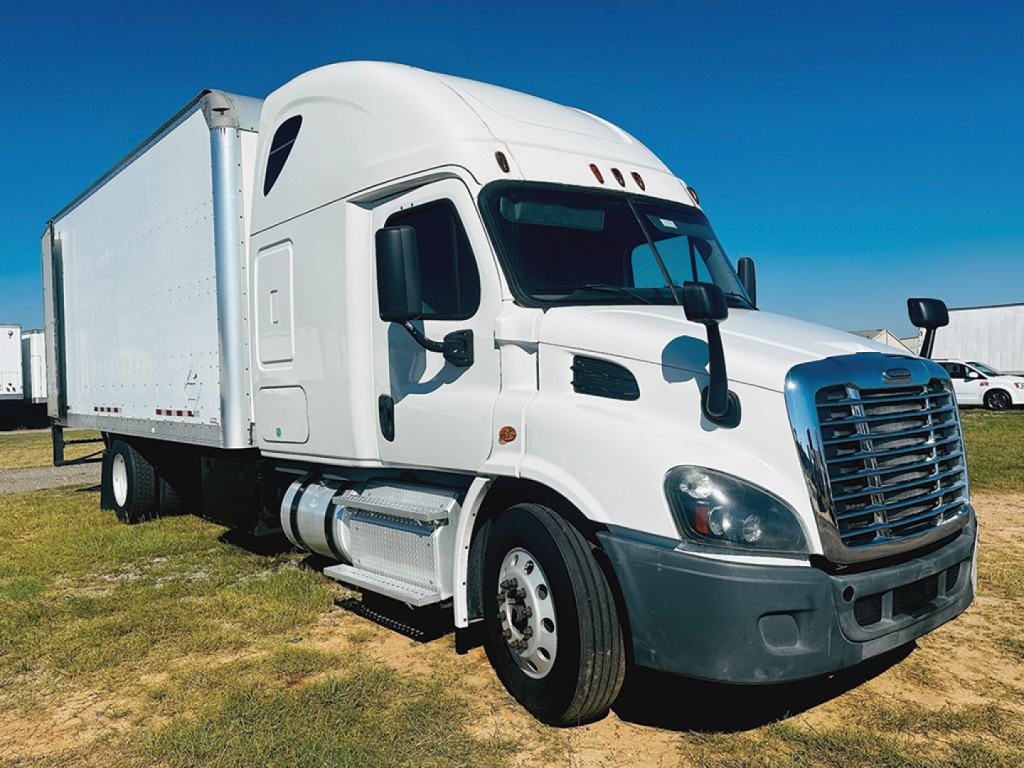
One of the first decisions is chassis and powertrain spec. Freightliner hot shot and expeditor trucks are commonly built with diesel engines such as the Detroit DD13 or Cummins options, matched to automatic or automated transmissions for easier urban and regional operation. Buyers should pay close attention to horsepower, rear axle rating, wheelbase, and suspension type because those factors directly affect payload capacity, ride quality, and how the truck handles a long box or sleeper combination. Single-axle setups are common, and many units are equipped with air ride suspension, air brakes, aluminum wheels, and larger fuel capacity to support over-the-road expedited work.
Body configuration matters as much as the truck itself. Many Freightliner expeditor trucks carry 22-foot to 26-foot van bodies, though final dimensions depend on axle placement, sleeper length, and state bridge laws. Interior cargo specs such as E-track, logistics posts, plywood lining, hardwood or laminated floors, scuff liners, and threshold plates are worth checking closely because they determine how well the body will hold up to palletized freight, boxed freight, and white-glove shipments. Rear access can include roll-up or swing doors, and some buyers prioritize a liftgate for mixed dock and non-dock deliveries. If the truck includes a custom sleeper or integral sleeper box, evaluate bunk layout, HVAC, storage, auxiliary power unit, and idle-reduction setup, since those items have a direct impact on team-driver productivity and operating cost.
A used Freightliner expeditor or hot shot truck should be evaluated like both a truck and a revenue-producing cargo unit. Engine hours, maintenance history, emissions system condition, body leaks, floor wear, door seal condition, and sleeper power systems all deserve inspection. Freightliner remains a popular choice in this segment because parts availability, service network coverage, and familiarity among fleet shops are generally strong. For buyers comparing listings, the best value usually comes from matching the truck’s GVWR, box length, sleeper size, and cargo securement setup to the actual freight profile rather than simply buying the newest chassis or highest horsepower rating.
Frequently Asked Questions about Freightliner Expeditor/Hot Shot Trucks
What is the difference between a Freightliner expeditor truck and a hot shot truck?
In practice, the terms can overlap in marketplace listings, but an expeditor truck usually refers to a straight truck set up for time-sensitive freight with a van body and often a sleeper. A hot shot truck traditionally describes a smaller, fast-response freight unit, often built for lighter or urgent loads. In Freightliner listings, buyers should focus less on the label and more on the actual configuration, including GVWR, body type, sleeper setup, payload, and cargo securement equipment.
What body length is common on a Freightliner expeditor truck?
A common range is about 22 to 26 feet for the cargo body, depending on the chassis, sleeper length, axle placement, and legal weight distribution. Buyers should confirm inside length, door opening dimensions, and cargo cube, because those measurements affect what freight can be loaded and how efficiently the truck can be dispatched. Longer is not always better if it reduces maneuverability or creates axle-weight limitations.
What should I inspect on a used Freightliner expeditor or hot shot truck?
Key inspection points include engine and transmission service history, emissions system condition, suspension wear, brake condition, tire age, and any signs of frame or body damage. On the cargo side, inspect the floor, roof, door seals, scuff protection, E-track, and any liftgate operation. If the truck has a sleeper, test the bunk HVAC, electrical system, inverter, auxiliary power unit, and all idle-reduction components because sleeper repairs can be expensive and directly affect driver usability.
Are Freightliner M2 models a good fit for expedited freight work?
Yes, the Freightliner M2 platform is a common fit for expedited freight because it balances medium-duty maneuverability with straight-truck body and sleeper capability. It is widely used for regional and over-the-road expeditor applications, especially when spec'd with air ride suspension, diesel power, and a cargo box built for palletized freight. The platform is also familiar to many service shops, which can help reduce downtime.
Which specs matter most when comparing Freightliner expeditor trucks for sale?
The most important specs are GVWR, rear axle rating, wheelbase, engine horsepower and torque, transmission type, suspension, box length, sleeper size, and fuel capacity. Buyers should also compare interior cargo features such as E-track, scuff liners, floor material, and rear door style. Those details affect legal payload, loading flexibility, driver comfort, and how well the truck matches the type of expedited freight being hauled.