
Dump Trucks For Sale in Washington
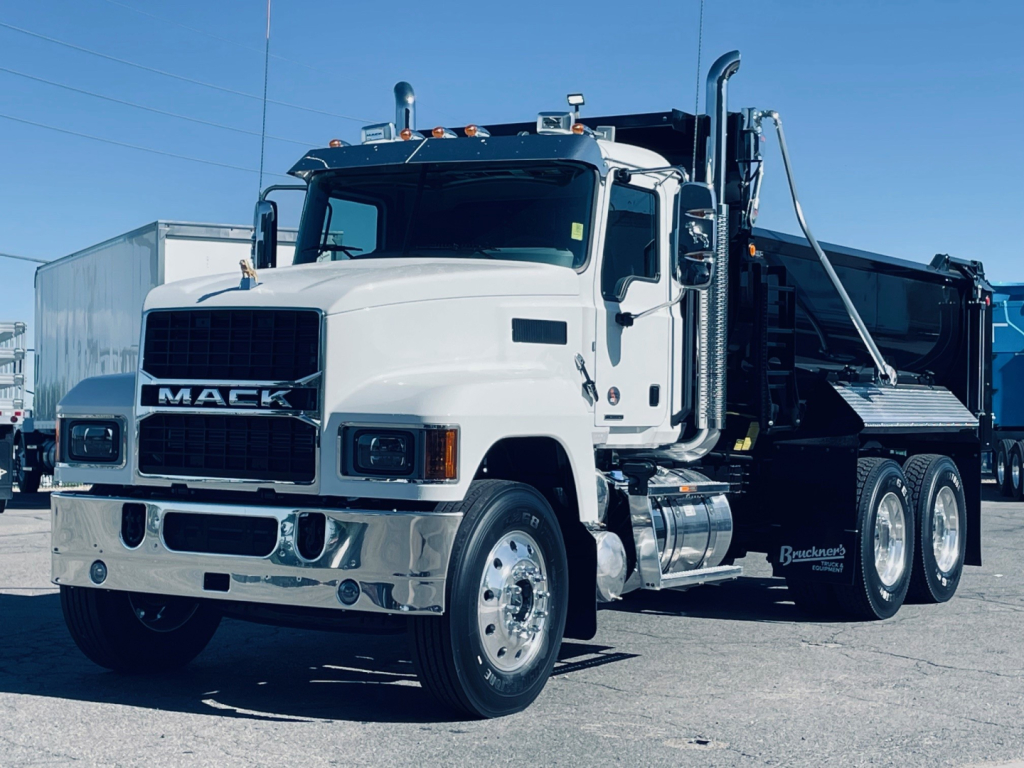
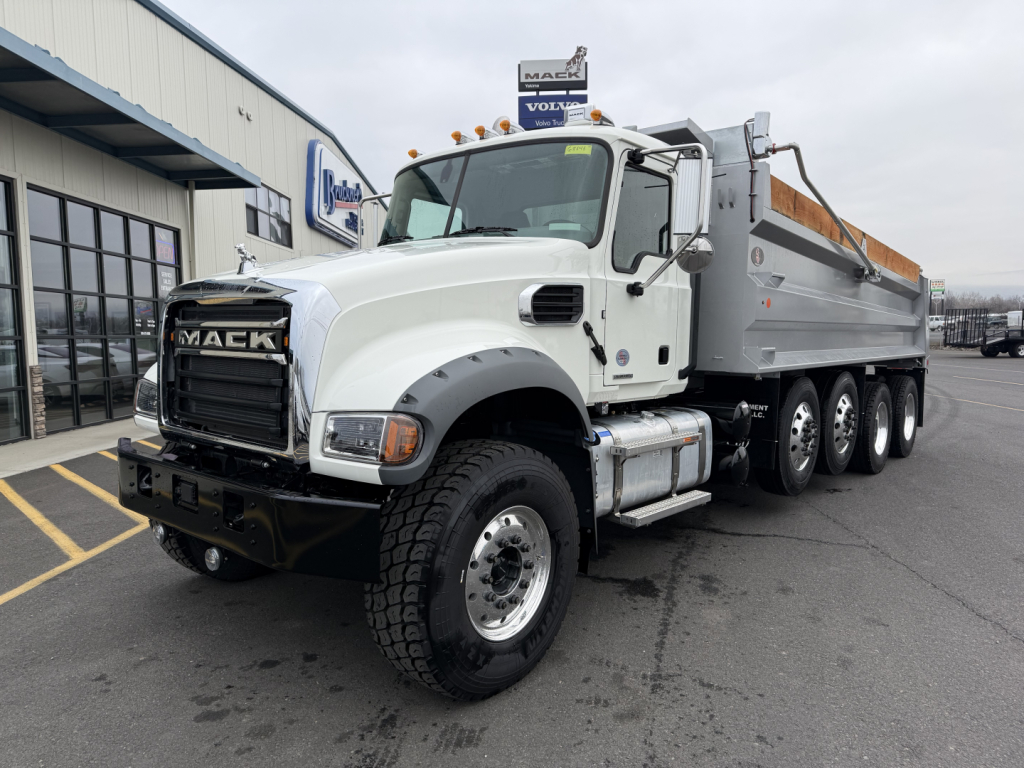
Browse dump trucks for sale in Washington, including tandem and multi-axle specs for hauling rock, asphalt, dirt, and aggregate.
Learn moreBrowse Dump Trucks by Make

Showing 13 to 16 of 16 results
Have dump truck to sell? List it here to reach thousands of buyers.
About Dump Trucks in Washington
Body design is one of the first decisions to get right. Elliptical and half-round bodies are popular for rock, sand, and demolition because they shed material well and reduce carryback. Square or semi-elliptical bodies can be a better fit when you need cleaner stacking of asphalt or more general-purpose versatility. Hardox, Hardox Tuf, and similar abrasion-resistant steel bodies are common on severe-duty dump trucks because they hold up better under impact and abrasive loads while controlling empty weight. Buyers should also look closely at side height, floor thickness, high-lift or air-operated tailgates, cab shields, asphalt aprons, spreader chains, and electric tarp systems, since these details affect turnaround time, legal compliance, and operator convenience every day.
Chassis spec matters just as much as the body. Tandem dumps remain a common choice for paving, excavation, and municipal work because they balance payload, maneuverability, and maintenance cost. Tri-axle and five-axle configurations, often with lift or pusher axles, can improve legal payload options where route and state rules support them. In Washington, wheelbase, axle ratings, pusher placement, and bridge formula considerations can directly affect how much material the truck can legally carry. Front axle ratings around 14,000 to 20,000 pounds and rear ratings in the 44,000 to 46,000 pound range are typical on heavy vocational specs, with GVWR varying based on axle count. Automated manual transmissions are increasingly common in dump service, but many buyers still prioritize gearing, low-speed control, and PTO compatibility over transmission type alone.
A good dump truck should match the work cycle, not just the load type. For quarry and rock hauling, prioritize body durability, rear suspension strength, and impact resistance. For asphalt and paving, look for smooth body design, high-lift gate function, tarp coverage, and a body package designed to handle hot mix cleanly. For construction fleets that tow equipment or pull tag trailers, rear hitches, glad hands, and electrical connections are worth confirming up front. On used dump trucks, pay close attention to hoist condition, frame rail repairs, body floor wear, tailgate hinge wear, suspension bushings, and signs of cracking around the body mounts or crossmembers. A dump truck that is correctly spec'd for payload, jobsite access, and local weight requirements will usually outperform a cheaper truck that is wrong on axle layout or body design.
Frequently Asked Questions
What is the best axle configuration for a dump truck in Washington?
The best axle configuration depends on the loads, routes, and legal weight targets. Tandem axle dump trucks are a strong fit for general construction, paving, and excavation because they are easier to maneuver and usually cost less to maintain. Tri-axle and five-axle dump trucks, often equipped with pusher or lift axles, can increase legal payload potential when bridge formula and local regulations allow it. Buyers in Washington should compare wheelbase, axle spacing, front axle rating, and pusher placement against the actual roads and job types the truck will run.
What dump body material is best for hauling rock and abrasive material?
Abrasion-resistant steel is typically the preferred choice for rock, gravel, demolition debris, and other high-wear loads. Bodies built from Hardox, Hardox Tuf, or similar high-strength steel resist denting, gouging, and floor wear better than standard steel while helping control tare weight. Body shape also matters. Elliptical or half-round dump bodies usually discharge rock and aggregate more cleanly and reduce material buildup, which can improve cycle times and reduce cleanup.
How much horsepower does a dump truck usually need?
Most heavy-duty dump trucks fall in the 400 to 500 horsepower range, but the right number depends on terrain, axle count, payload, and whether the truck tows additional equipment. A truck working in steep grades, soft jobsites, or multi-axle configurations will usually benefit from more torque and a properly matched rear ratio. Horsepower alone is not the full story. Buyers should also consider engine brake performance, transmission gearing, PTO setup, and suspension spec to make sure the truck works efficiently in stop-and-go vocational service.
Are automatic and automated manual transmissions good for dump trucks?
Yes, many dump trucks now use automated manual transmissions because they reduce driver fatigue, improve consistency, and can perform well in vocational service when properly spec'd. They are especially common in newer severe-duty trucks paired with PTO and hydraulic systems. The key is to confirm low-speed maneuverability, startability on grades, PTO compatibility, and programming suited to off-road or mixed on-road use. Some fleets still prefer manual transmissions for certain applications, but automated manuals are now a common and proven choice in dump work.
What should I inspect first on a used dump truck?
Start with the hoist, body, frame, and suspension. Check for body floor wear, cracked welds, bent crossmembers, leaking hydraulic cylinders, sloppy tailgate hinges, and signs of previous frame repair or reinforcement. Look closely at body mounts, rear suspension components, and any pusher axle hardware if equipped. It is also smart to inspect the PTO operation, tarp system, rear hitch setup, and tire wear pattern, since uneven wear can point to alignment, suspension, or overloading issues.