
Used Volvo Dump Trucks For Sale in New York
Shop used Volvo dump trucks for sale in New York. Compare tandem axle, plow-ready, municipal, and contractor-spec hauling trucks.
Learn more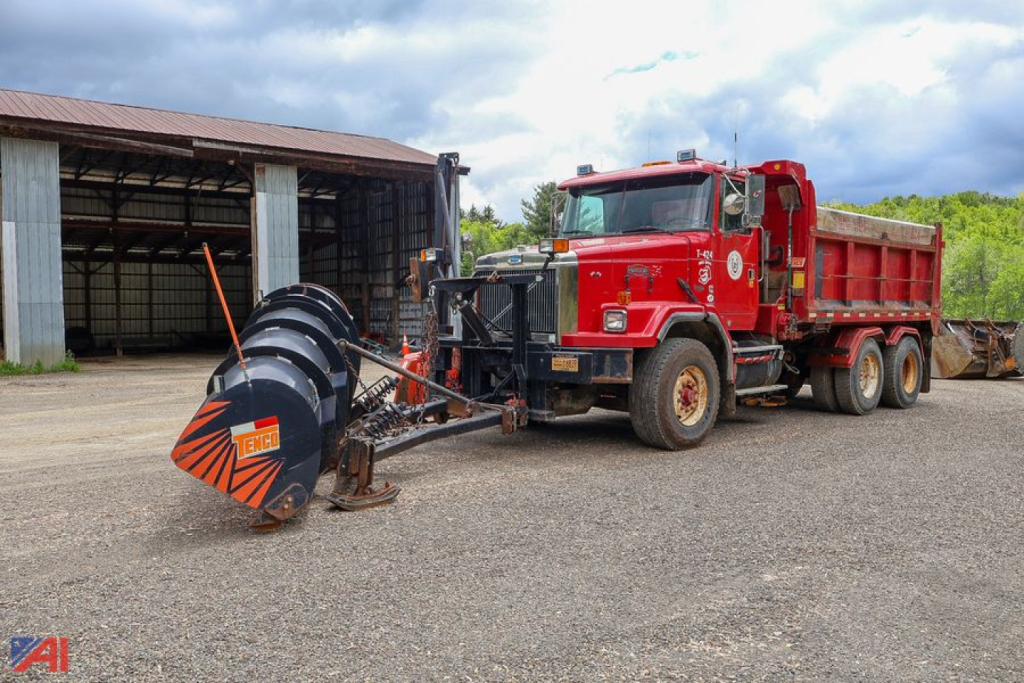
Have used volvo dump truck to sell? List it here to reach thousands of buyers.
About Used Volvo Dump Trucks in New York
Body spec drives day-to-day usefulness more than brand alone. Check body length, side height, hoist type, tailgate style, and whether the truck has a liner, tarp system, pintle hitch, or central hydraulics. In New York, corrosion exposure is a real buying factor, especially on trucks that have seen winter salt and plow service. Pay close attention to the dump body crossmembers, cab mounts, frame rails, suspension hangers, electrical connections, hydraulic lines, and underbody near the hoist and hinge points. A used Volvo dump truck with a sound frame and clean hydraulic operation can be a better long-term buy than a lower-priced unit that needs body or structural repair.
Powertrain choices vary by year and chassis spec, but buyers will typically see diesel engines matched to manual, automated manual, or automatic transmissions, depending on the truck's intended work. For stop-and-go hauling, paving support, and snow operations, transmission type affects both driver acceptance and maintenance planning. Front axle ratings, rear suspension, wheelbase, and bridge-law considerations also matter if the truck will spend time on state and local roads with weight restrictions. If the truck is plow-prepped or already set up for winter service, inspect the front frame extensions, hydraulic pump arrangement, lighting, charging system, and any evidence of hard impact use around the plow gear.
A used Volvo dump truck is often compared with Mack, International, Kenworth, and Peterbilt vocational models, but the right choice comes down to the application and the spec sheet. Buyers should match the truck to the material being hauled, average trip length, loader compatibility, and seasonal duties. Look for a truck with the right GVWR, axle ratings, body capacity, PTO and hydraulic configuration, and service history rather than chasing a single badge. In this category, a well-maintained Volvo dump truck can be a strong option for excavation, site work, municipal fleet service, landscaping materials, and year-round road maintenance.
Frequently Asked Questions
What should I inspect first on a used Volvo dump truck in New York?
Start with corrosion and structural condition. On New York dump trucks, road salt and winter service can accelerate rust on the frame, dump body, hoist mounts, crossmembers, cab mounts, suspension brackets, and electrical connections. After that, inspect hydraulic operation, PTO engagement, tailgate function, and signs of body distortion or hard use. A clean-running engine and transmission matter, but structural and hydraulic condition usually determine whether a dump truck is a sound buy.
Are Volvo dump trucks a good choice for plow and municipal work?
Yes, many Volvo vocational trucks are well suited for municipal and all-season work when properly spec'd. Buyers often look for front plow mounts, wing plow provisions, central hydraulics, spreader controls, and heavy front axle ratings. Visibility, cab comfort, and stable handling are useful advantages on long winter shifts. The key is confirming the truck was built or upgraded for snow equipment rather than assuming any dump chassis can handle plow duty.
What axle configuration is most common on used Volvo dump trucks?
A 6x4 tandem axle setup is one of the most common configurations in this category because it balances payload, traction, and vocational durability. It fits many hauling jobs including stone, dirt, asphalt, and demolition debris. Buyers should still verify axle ratings, wheelbase, suspension type, and local weight-law considerations, because two trucks with the same 6x4 layout can perform very differently depending on their spec.
What body features matter most on a used dump truck?
The most important body features depend on the work, but buyers usually focus on body length, side height, hoist type, tailgate design, liner condition, tarp system, and hitch or towing equipment. For loader work, body height and side design affect loading efficiency and material retention. For municipal service, spreader compatibility and hydraulic setup are often just as important as the dump body itself. Body condition can significantly affect repair costs and daily productivity.