
New Volvo Dump Trucks For Sale in Texas
Have new volvo dump truck to sell? List it here to reach thousands of buyers.
New Volvo Dump Trucks in Texas
Powertrain selection matters more on a dump truck than many buyers first assume. Volvo dump trucks are often equipped with D11 or D13 diesel engines, with horsepower ratings that fit both regional hauling and severe-duty work. Transmission choice usually comes down to an automated manual like the Volvo I-Shift or a traditional manual such as an Eaton Fuller, depending on driver preference, terrain, and how much low-speed control is needed. For startability on grades, deep pit work, or soft surfaces, many vocational buyers look closely at crawler gears, axle ratios, differential locks, and suspension design. Drum brakes remain common in severe-service dump applications because of their durability and service familiarity, while fuel capacity can vary widely depending on whether the truck stays local or sees longer transfer runs.
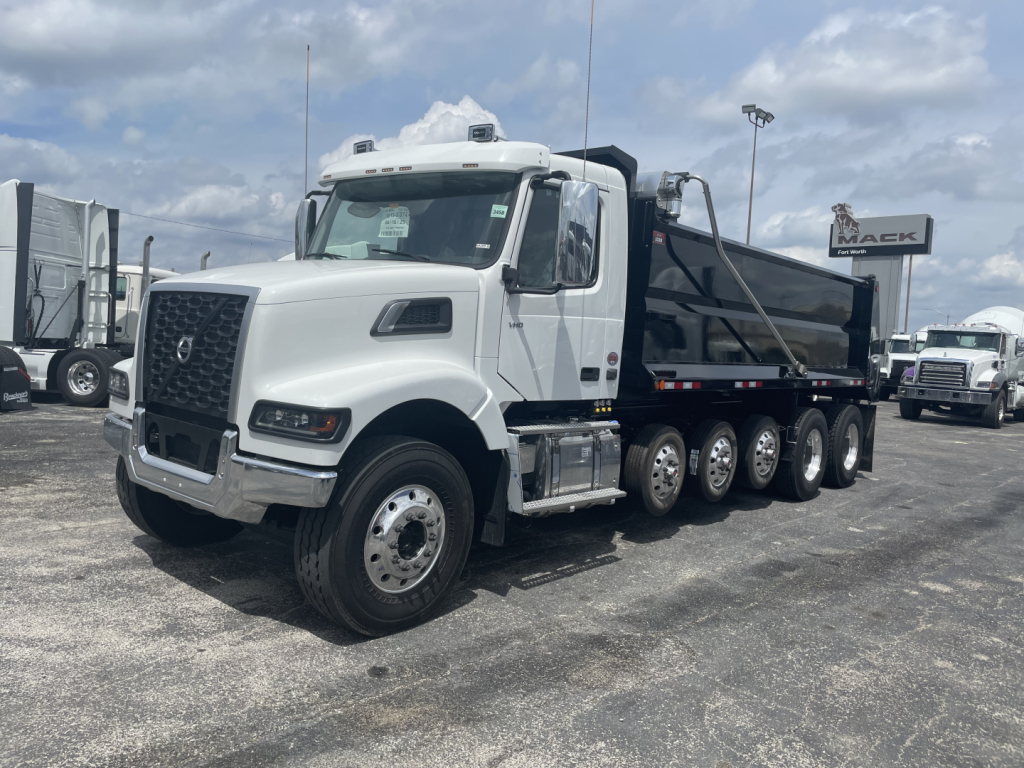
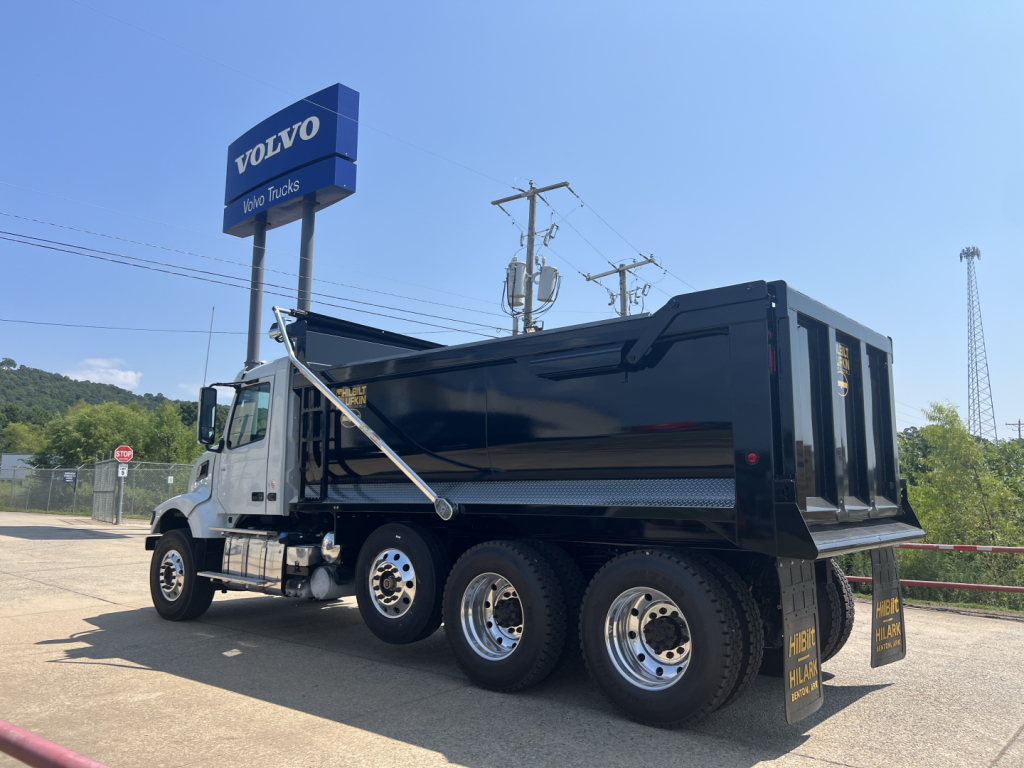
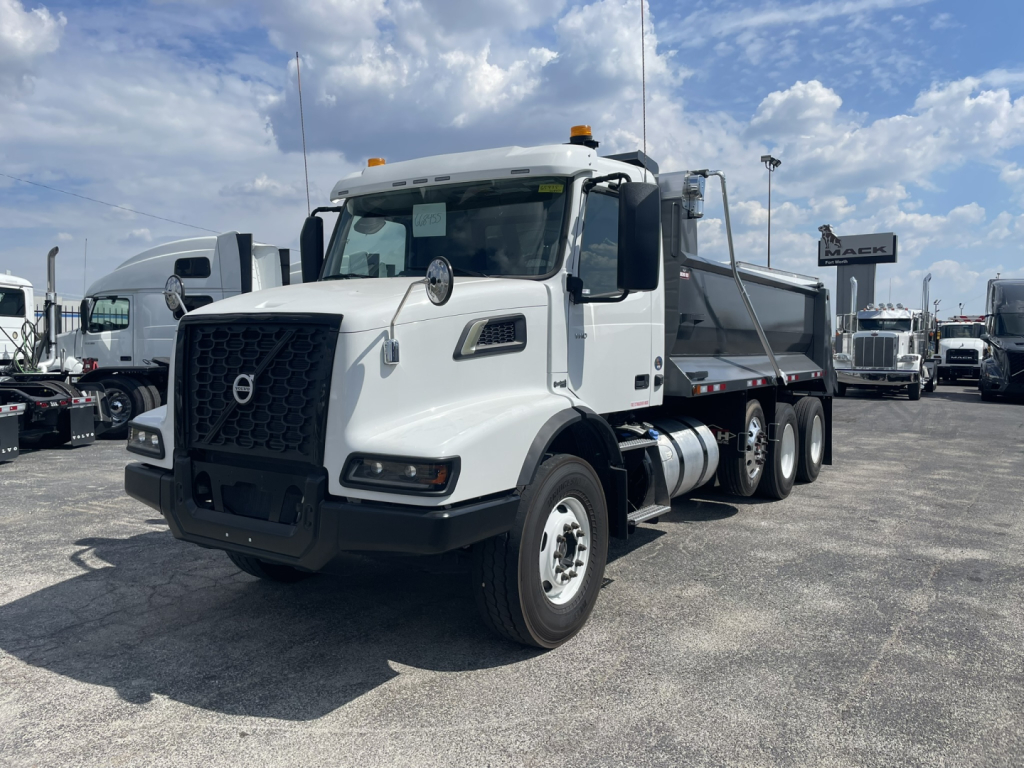
Body and chassis specs deserve just as much attention as engine and transmission. New Volvo dump trucks may be fitted with straight-side bodies, heavy floor packages, top-hinged or top-swing tailgates, and options such as high-lift gates, asphalt tarping systems, or body vibrators. Side height, body length, and steel thickness should match the material being hauled, since rock, demolition debris, sand, and asphalt all place different demands on the body. Buyers should also evaluate front axle ratings, tandem or tridem rear capacities, lift axles or pusher axles, and frame reinforcement. A quint axle dump truck can maximize legal payload in the right application, but added axle complexity only makes sense if route density and job type support it.
For Texas buyers, spec discipline is key. A truck working around Houston, Dallas-Fort Worth, San Antonio, or the Permian Basin may need a very different setup than one handling municipal work or short-cycle quarry runs. New Volvo dump trucks are known for a comfortable cab, solid visibility, and driver-friendly controls, which can help with retention in fleets that run vocational equipment every day. The best buying decision usually comes from balancing legal payload, maneuverability, body durability, service access, and transmission choice instead of chasing a single headline number like horsepower. When the chassis, axle package, and dump body are matched correctly, a Volvo dump truck can be a highly productive platform for demanding construction and material-hauling work.
Frequently Asked Questions about New Volvo Dump Trucks in Texas
What Volvo models are most common in new dump truck applications?
The Volvo VHD is the model most commonly used for dump truck applications. It is designed for vocational work and can be configured with multiple axle layouts, heavy-duty frame options, severe-service suspensions, and dump bodies suited for construction, aggregate, asphalt, and excavation. The exact configuration depends on payload targets, local weight laws, and how much off-road use the truck will see.
Is an automated transmission a good choice in a Volvo dump truck?
An automated transmission can be an excellent choice in a dump truck, especially for fleets focused on driver availability, consistency, and reduced clutch wear. Volvo's I-Shift is widely used in vocational applications and can be spec'd for low-speed jobsite work, including crawler gears for startability and precise movement. Some buyers still prefer a manual transmission for specific terrain or operator preference, but automated options are now common in severe-duty service.
What axle setup should I look for on a new dump truck in Texas?
The right axle setup depends on the legal payload needed and the type of work being performed. Texas dump trucks may be spec'd as tandem, tri-axle, quad, or quint configurations, often with lift axles or pusher axles to increase allowable gross weight. Buyers should look at axle ratings, spacing, bridge compliance, turning radius, and how often the truck will operate loaded on public roads versus closed jobsites. A higher-capacity setup can improve revenue potential, but only if it fits the routes and regulations involved.
What body features matter most on a Volvo dump truck?
The most important body features are length, side height, floor and wall thickness, tailgate style, and hoist capacity. Straight-side dump bodies are common for aggregate and general construction, while heavier material may call for thicker steel and reinforced crossmembers. Tailgate design affects unloading speed and material control, and options like tarps, body liners, and vibrators can improve efficiency depending on the load. The body should be matched to the material first, then to the desired payload and chassis capacity.
Are Volvo dump trucks a good fit for construction and aggregate fleets?
Volvo dump trucks are a strong fit for construction and aggregate fleets that need a balance of vocational durability and driver comfort. The VHD platform is built for severe-duty work, and it is commonly spec'd with high-horsepower diesel engines, robust axle packages, and heavy dump bodies. Many buyers also value the cab ergonomics, visibility, and transmission options, which can help reduce fatigue and improve day-to-day productivity in demanding hauling cycles.