
Used Kenworth Dump Trucks For Sale in Texas
Browse used Kenworth dump trucks in Texas. Compare T880 and vocational specs, axle setups, body options, and PTO-ready configurations.
Learn more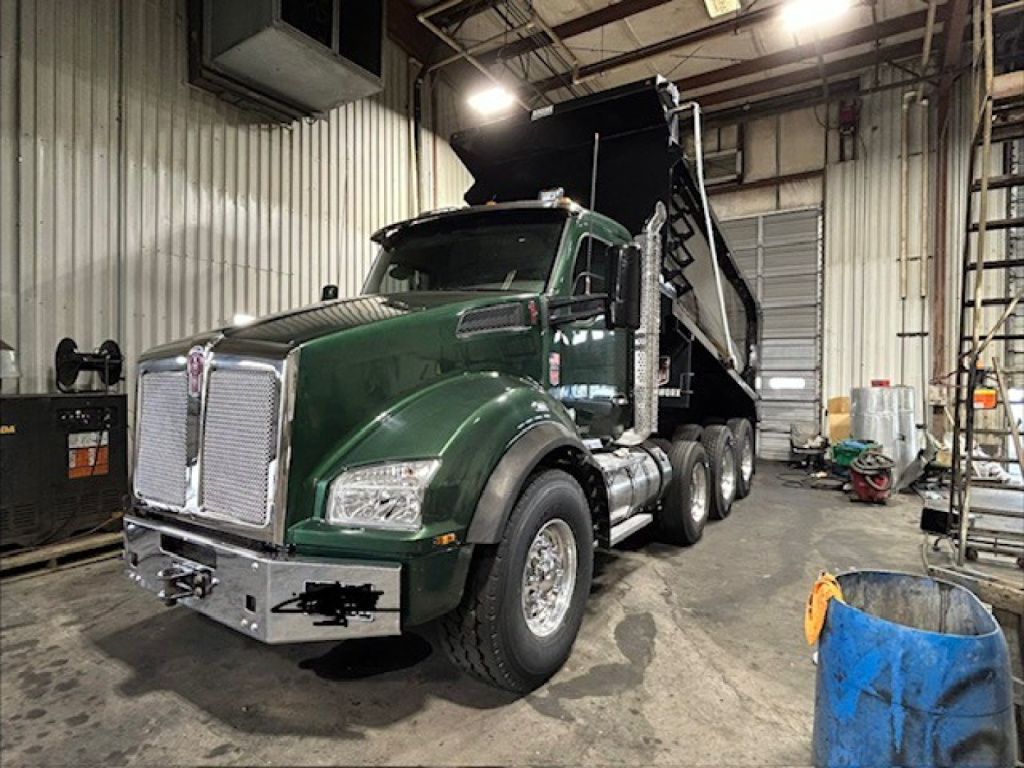
Have used kenworth dump truck to sell? List it here to reach thousands of buyers.
About Used Kenworth Dump Trucks in Texas
The first decision is usually axle configuration and weight capacity. In Texas, common setups include tandem axle and tri-axle dump trucks, with specs varying by body length, intended payload, and local bridge and road limits. Buyers should pay close attention to GVWR, front axle rating, rear axle ratio, suspension type, and whether the truck has a lift axle or pusher axle. Engine and transmission combinations matter just as much. Many used Kenworth dump trucks are equipped with PACCAR MX engines or Cummins power, paired with Allison automatic or Eaton manual transmissions. For stop-and-go hauling, jobsite maneuvering, and driver turnover, an automatic can be a practical choice. For buyers prioritizing simplicity, grade control, or a specific maintenance preference, a manual may still make sense.
Body and hoist specs deserve the same level of scrutiny as the chassis. A used dump truck can look solid in photos and still need expensive body work, cylinder repair, liner replacement, or hinge and crossmember attention. Check body material, side height, floor thickness, tailgate style, tarp system, and hoist type. Steel bodies are common for demolition, rock, and abrasive material, while lighter configurations may suit sand, asphalt, or general construction use. PTO operation should be smooth and predictable, and any sign of frame cracking, uneven tire wear, suspension fatigue, hydraulic leaks, or hard-use damage around the doghouse and body mounts should be taken seriously.
Cab configuration and vocational details can separate a good fleet truck from the wrong spec. Day cabs are standard in this category, but visibility, turning radius, set-back axle versus set-forward axle layout, and the ease of getting in and out of the cab all affect productivity. In Texas heat, A/C performance is not a minor issue. Buyers should also look for practical features such as locking differentials, heated mirrors, severe-service fenders, double frame construction, air ride or vocational spring suspension, and wet kit or PTO readiness. A well-matched used Kenworth dump truck can deliver strong uptime and resale value, but the best choice comes down to payload target, material type, route conditions, and how the truck was spec'd for its prior job.
Frequently Asked Questions
What is the most common used Kenworth dump truck model?
The Kenworth T880 is one of the most common used Kenworth dump truck models because it was designed specifically for vocational work and is widely spec'd for construction, aggregate, and municipal applications. Buyers also see T800 dump trucks on the used market, especially in fleets that kept proven pre-T880 vocational chassis in service for many years. The right model depends less on nameplate alone and more on axle ratings, frame spec, engine, transmission, and body configuration.
What should I inspect first on a used Kenworth dump truck?
Start with the frame, suspension, axles, and dump body because these areas usually reveal how the truck was actually used. Look for frame repairs, cracks near suspension hangers, body mount wear, hoist leaks, tailgate damage, uneven tire wear, and signs of overloading. After that, confirm PTO engagement, hydraulic operation, differential function, and engine performance under load. A dump truck can have a clean cab and still need major vocational repairs, so chassis and body condition should come before cosmetic details.
Is an automatic or manual transmission better in a dump truck?
An automatic transmission is often preferred for dump work because it reduces driver fatigue, improves consistency in stop-and-go operation, and can help in fleets with multiple drivers. Allison automatics are common in vocational applications for exactly those reasons. Manual transmissions still appeal to some buyers who want direct control on grades, have experienced drivers, or prefer a certain maintenance approach. The better choice depends on route profile, driver pool, and service preference.
Are steel or aluminum dump bodies better on a used dump truck?
Steel dump bodies are usually the better choice for rock, demolition debris, and other abrasive or impact-heavy loads because they handle punishment better. Aluminum bodies save weight and can increase legal payload in the right application, but they are generally better suited to lighter-duty material. On a used truck, body condition matters as much as material type. Floor wear, sidewall integrity, crossmember condition, and hoist performance are more important than assuming one body material is always superior.
What specs matter most for a used dump truck in Texas?
For Texas buyers, the most important specs are axle configuration, GVWR, engine and transmission setup, suspension type, body size, and cooling and A/C performance. Terrain, haul distance, and material type can change the ideal spec quickly. A truck running short cycles in urban construction may need a different axle and transmission setup than one hauling aggregate on mixed highway and quarry routes. Matching the truck to payload target and operating environment is the key to avoiding poor productivity and premature wear.