
Used Hino Dump Trucks For Sale in Florida
Shop used Hino dump trucks in Florida. Compare medium-duty diesel dump bodies, GVWR, hoists, PTO setups, and job-ready specs.
Learn more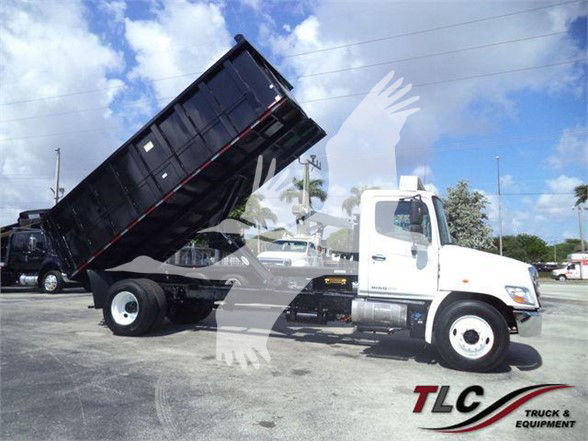
Have used hino dump truck to sell? List it here to reach thousands of buyers.
About Used Hino Dump Trucks in Florida
One of the first things to check is the truck's GVWR, axle ratings, and actual body configuration. Many Hino dump trucks in this class fall in the medium-duty range around 25,950 lb GVWR, which can be important for registration, CDL considerations, and route flexibility depending on how the truck is used. Buyers should look closely at body length, side height, rear door style, and hoist design. An 18-foot steel dump body with tall sides may be ideal for mulch, brush, and general debris, while a shorter, heavier-duty body may make more sense for denser materials. Common features include PTO-driven hydraulic hoists, manual or electric tarps, hitch packages, electric brake hookups, and single-swing or barn-door rear gates.
The Hino diesel platform appeals to fleets that want a cab with automotive-style controls and an easy learning curve for drivers moving into medium-duty trucks. Automatic transmissions are common in this category and are often preferred for stop-and-go work, multiple drivers, and urban delivery routes. Suspension type matters too. Spring ride is typical and works well for dump applications, but overall ride quality and handling will still depend on wheelbase, body installation, and load distribution. On a used unit, pay attention to PTO engagement, hoist cycle speed, floor condition, crossmember corrosion, hinge wear, and signs of stress around the body mounts. In Florida, salt exposure is usually less of a concern than in northern markets, but moisture, humidity, and jobsite use still make a close inspection of the frame, electricals, and hydraulic lines worthwhile.
A well-matched used Hino dump truck can cover a wide range of work without the size and operating cost of a larger vocational truck. The best choice comes down to payload needs, material type, body dimensions, and how often the truck will tow or work off-road. Buyers comparing listings should focus less on cab appearance and more on the working specs that affect uptime: engine performance under load, transmission behavior, brake condition, tire wear, hoist operation, and the quality of the dump body installation. For many contractors and local operators, a Hino dump truck delivers a useful balance of payload, visibility, turning radius, and day-to-day operating efficiency.
Frequently Asked Questions
What are used Hino dump trucks best suited for?
Used Hino dump trucks are typically best suited for medium-duty work such as landscaping, storm cleanup, light demolition debris, tree service, municipal maintenance, and delivery of lighter bulk materials. They are often chosen when a contractor needs better payload and durability than a pickup-based dump can offer, but does not need the size, axle capacity, or operating cost of a heavy tandem dump truck. Body setup matters because a high-side landscape dump is optimized for volume, while a shorter steel dump body is usually better for heavier material.
What should I check on a used Hino dump truck before buying?
Focus on the working systems first. Inspect the PTO and hydraulic hoist for smooth engagement, full lift, and leaks at hoses, cylinders, and fittings. Check the dump body floor, side panels, tailgate, hinges, and body mounts for corrosion, cracking, or patch repairs. Review GVWR, axle ratings, and tire capacity to make sure the truck is correctly matched to the intended payload. It is also smart to inspect brake condition, suspension wear, frame integrity, and transmission operation under load, since dump duty is harder on components than general freight use.
Are Hino dump trucks in the 25,950 lb GVWR range a good choice for local work?
Yes, this GVWR class is popular for local and regional vocational work because it offers a useful balance of payload, maneuverability, and accessibility. Trucks in this range can work well in neighborhoods, tighter jobsites, and urban areas where larger vocational units are less practical. They are commonly used by landscape companies, municipalities, and contractors that need a truck capable of hauling debris or material while remaining easy to drive, park, and maintain.
What body features matter most on a used Hino dump truck?
The most important body features depend on the material being hauled. Buyers should compare body length, side height, steel thickness, rear door configuration, tarp system, and hoist capacity. Tall sides are useful for brush, mulch, and storm debris, while heavier floors and simpler body dimensions may be better for dirt, rock, or broken concrete. A hitch and trailer brake setup can also add flexibility for operators pulling equipment or small trailers behind the truck.
Why are automatic transmissions common in Hino dump trucks?
Automatic transmissions are common because dump trucks often operate in stop-and-go traffic, on short routes, and with multiple drivers. An automatic reduces driver fatigue, simplifies training, and can improve consistency in local work where frequent starts, backing, and maneuvering are part of the job. For many fleets, that ease of operation is a major advantage in medium-duty dump applications.