
Mack Day Cab Trucks For Sale in New York
Browse Mack day cab trucks in New York. Compare specs, axle setups, engines, wheelbases, and vocational applications for local hauling.
Learn more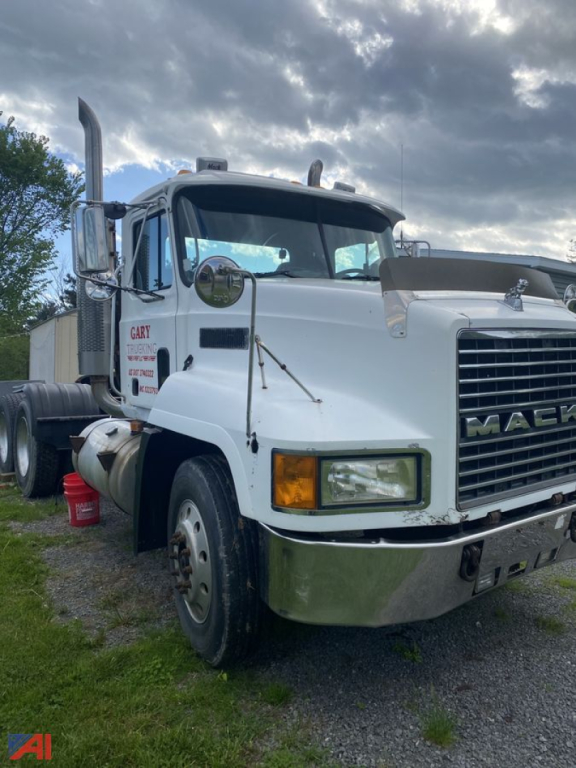
Have mack day cab truck to sell? List it here to reach thousands of buyers.
About Mack Day Cab Trucks in New York
The first decision is usually application, because Mack day cabs can be spec'd as highway tractors, heavy vocational tractors, or straight-truck platforms depending on the series and axle layout. Common models include the CH, CXU, Pinnacle, Granite, Anthem day cab configurations, and older fleet units still working in construction and municipal service. Buyers should compare wheelbase, set-back or set-forward axle design, front axle rating, rear axle ratio, suspension type, and gross combination weight rating. Tandem axle 6x4 setups are common for heavier loads and tougher jobsite conditions, while lighter regional tractors may be spec'd for fuel economy and easier turning. If PTO use matters for dump, wet kit, blower, or hydraulic trailer work, confirm the transmission and engine are already matched to that requirement.
Powertrain matters on a Mack because many units are equipped with Mack engines, Mack transmissions, and Mack rear axles, while others may use Cummins power with Eaton Fuller transmissions. That can affect parts strategy, service preference, and driver familiarity. Older Mack day cabs in the New York market are often found with robust vocational specs, camelback or air ride suspensions, and heavier frame rails suited to severe-duty service. For local freight or container work, pay attention to fifth wheel height, sliding fifth wheel travel, frame condition, kingpin setting compatibility, and emissions equipment based on model year. Cab condition also matters on a day cab since drivers are in and out frequently. Look closely at seat wear, door hinges, steps, steering components, and visibility-related items like mirrors and lighting.
A strong Mack day cab should match the route, payload, and operating environment before anything else. For city and regional use, buyers typically benefit from checking turning radius, bridge-law friendly wheelbase, fuel tank placement, air brake condition, and tire spec. In snow, corrosion exposure and underbody condition are especially important in New York, along with frame rust, crossmembers, brake lines, and suspension mounting points. If the truck will spend time on rough surfaces, inspect for frame reinforcements, double-frame sections, locking differentials, and adequate ground clearance. Mack day cab trucks have long been chosen for work that is hard on equipment, so the best buy is usually the one with the right vocational spec and a maintenance history that supports it.
Frequently Asked Questions
What is a Mack day cab truck best suited for?
A Mack day cab truck is best suited for local and regional hauling where the driver returns home daily and sleeper space is unnecessary. Common applications include construction hauling, dump and transfer work, refuse, municipal fleets, container drayage, utility service, and short-haul freight. The day cab layout reduces overall length and weight, which helps with maneuverability in tight urban areas and crowded jobsites.
What Mack models are commonly found as day cab trucks?
Common Mack day cab models include the CH series, Pinnacle, Granite, CXU, and some Anthem configurations. The right model depends on the job. Granite day cabs are often chosen for vocational and severe-duty work, while Pinnacle and CXU day cabs are more common in regional tractor applications. Older CH models remain popular because of their straightforward design and durable vocational specs.
What should I inspect on a used Mack day cab in New York?
In New York, rust and corrosion are major inspection points because of winter road treatment and year-round exposure. Check the frame rails, crossmembers, cab mounts, suspension hangers, brake lines, fuel tank straps, battery box, and electrical connections. Also inspect the steering, clutch or automated transmission operation, differential condition, fifth wheel wear, and any signs of hard vocational use such as cracked brackets, loose suspension components, or frame repairs.
Are Mack day cab trucks good for construction and vocational hauling?
Yes, many Mack day cab trucks are well suited for construction and vocational hauling because they are often spec'd with heavy front axles, strong frame rails, vocational suspensions, and drivetrain components built for severe service. Features like PTO capability, locking differentials, double-frame sections, and higher axle ratings make a big difference for dump, lowboy, transfer, and equipment hauling applications. The key is verifying that the actual truck spec matches the trailer, payload, and terrain.
How do I choose between a tandem axle Mack day cab and a lighter single-axle setup?
A tandem axle Mack day cab is generally the better choice for heavier trailers, higher gross weights, rougher surfaces, and vocational work that puts more stress on the chassis. A lighter single-axle or lower-GVWR configuration can make sense for certain local delivery or lighter regional applications where lower operating cost, tighter turning, and reduced empty weight are more important. The decision should be based on axle ratings, legal payload requirements, trailer type, and the roads the truck will run every day.