
Mack Day Cab Trucks For Sale in Indiana
Browse Mack day cab trucks for sale in Indiana. Compare MP engine specs, axle setups, PTO options, and regional vocational hauling applications.
Learn more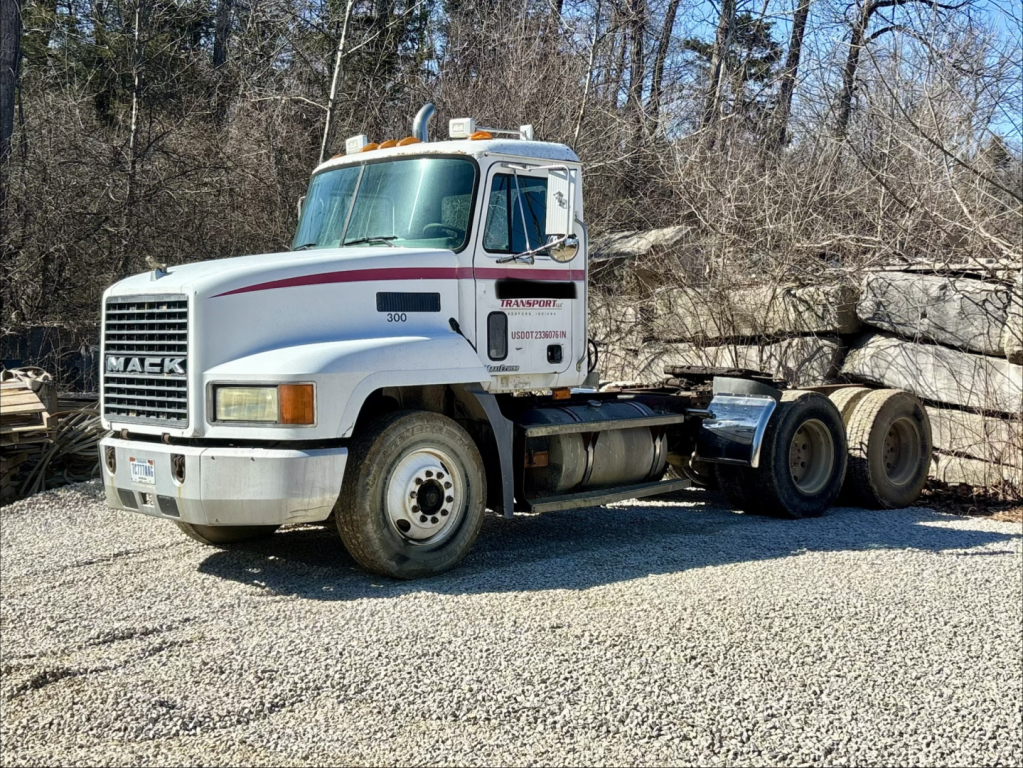
Have mack day cab truck to sell? List it here to reach thousands of buyers.
About Mack Day Cab Trucks in Indiana
On Mack models, the big buying decisions usually come down to engine family, transmission type, axle rating, and whether the truck was spec'd for highway or vocational work. Many used Mack day cabs are equipped with MP series diesel engines, though older units may carry earlier Mack powerplants. Horsepower and torque ratings vary widely depending on the original application, so it is worth matching the spec to the work instead of buying on badge alone. A 10-speed or 13-speed manual is still common in older trucks, while automated manual transmissions show up more often in later model years. PTO provisions matter if the truck may be used with a wet kit, blower, or hydraulic equipment. Rear axle ratios, suspension type, wheelbase, and fifth wheel placement also have a direct impact on how well the truck fits regional freight lanes or vocational trailer work.
Indiana buyers often place extra value on frame condition, cab corrosion, suspension wear, and service history because these trucks may have seen year-round use in weather, road salt, aggregate hauling, or heavy industrial service. On a used Mack day cab, pay close attention to rust around the cab mounts, back wall, steps, battery box area, and frame crossmembers. If the truck was used in quarry, construction, or bulk commodity work, inspect the driveline, clutch, PTO setup, and rear suspension for signs of hard starts and repeated heavy loads. Brake type, tire condition, and emissions system history are also important, especially on trucks that spent long periods idling or working in stop-and-go routes.
Mack has a strong reputation for rugged vocational spec trucks, and that matters in the day cab segment because many of these units are purchased for work that is tougher than standard over-the-road freight. Models such as the CH series and later highway or regional tractors can serve well in short-haul operations when the axle configuration and engine rating are right. A buyer comparing Mack day cab trucks should focus on the truck's actual job history, maintenance records, GVWR and GCWR suitability, and how the spec lines up with trailer type, payload, and route profile. A well-matched Mack day cab can be a productive local tractor with the durability to handle demanding freight cycles.
Frequently Asked Questions
What is a Mack day cab truck best suited for?
A Mack day cab truck is best suited for local and regional hauling where a sleeper is not needed. Common applications include flatbed work, dump trailer hauling, tanker, pneumatic bulk, container drayage, and dedicated industrial routes. The shorter overall length and reduced weight can improve maneuverability and payload flexibility, especially in tight yards, plant sites, and metro delivery areas.
What should I inspect first on a used Mack day cab in Indiana?
Start with frame and cab condition, especially rust-prone areas affected by Midwest road salt. Look closely at cab mounts, steps, rear cab panel, battery box supports, crossmembers, and suspension attachment points. After that, review engine service records, transmission condition, axle ratings, emissions repairs, and any PTO or hydraulic equipment setup. Tire wear and brake condition can also reveal alignment issues, suspension fatigue, or hard vocational use.
Are Mack day cabs good for vocational hauling?
Yes, many Mack day cabs are well suited for vocational hauling because the brand is known for durable chassis specs, strong suspensions, and heavy-duty drivetrain options. The key is not just the make, but the exact configuration. A truck set up with the right rear ratio, axle capacity, suspension, and PTO capability can handle demanding applications much better than a highway-only spec tractor.
What transmission options are common in Mack day cab trucks?
Used Mack day cab trucks commonly come with 10-speed and 13-speed manual transmissions on older models, while newer trucks may have automated manual transmissions. The best choice depends on route type, driver preference, and start-stop frequency. Manual transmissions remain common in vocational and heavy-load applications, but automated manuals can improve consistency and reduce driver fatigue in regional service.
Does a Mack day cab need a PTO or wet kit?
A PTO or wet kit is only necessary if the truck will power trailer or body-mounted hydraulic equipment. That includes applications such as dump trailers, moving floors, some lowboy setups, and certain specialty trailers. If the truck will be used strictly as a fifth wheel tractor for dry van, reefer, or standard flatbed work, a PTO may not be required. Buyers should verify whether the transmission has PTO provisions and whether any existing hydraulic setup is complete and operational.