
Day Cab Trucks For Sale in Indiana
Browse Day Cab trucks for sale in Indiana. Compare Class 8 specs, wheelbase, axle setup, engines, and transmissions for regional hauling.
Learn moreBrowse Day Cab Trucks by Make
Have day cab truck to sell? List it here to reach thousands of buyers.
About Day Cab Trucks in Indiana
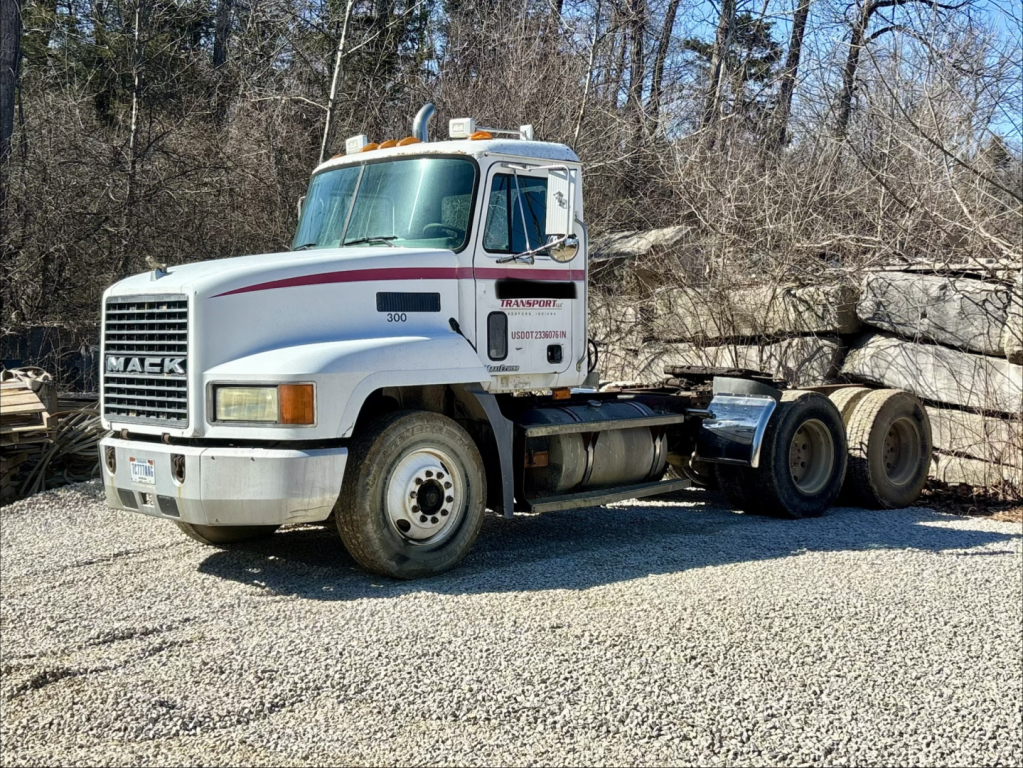
The specs that matter most usually start with axle configuration, wheelbase, and powertrain. Most Class 8 day cabs on the market are 6x4 tandem axle tractors, often paired with 12-speed automated manual transmissions and engines in the 350 to 455 horsepower range. Common engines include the Volvo D13, Cummins X15, Detroit DD13, and PACCAR MX series, depending on make. Wheelbase affects both turning radius and trailer compatibility. A shorter wheelbase helps in tight spots, while a longer setup can improve ride quality and provide more room for fuel capacity or frame-mounted equipment. Buyers should also look closely at rear axle ratings, suspension type, fifth wheel position, and whether the truck has a fixed or sliding fifth wheel for different trailer lengths and kingpin settings.
Indiana operators often use day cabs in freight lanes tied to warehousing, intermodal, agriculture, food processing, and heavy manufacturing. That puts added focus on durability, uptime, and fuel economy. Air ride suspension is common because it improves driver comfort and helps protect freight on rougher secondary roads. Tire choice matters too. Super singles can reduce weight and rolling resistance, while duals may be preferred for serviceability and fleet standardization. Aluminum wheels, 22.5 rubber, disc or drum brake configuration, and PTO provisions can all influence operating cost depending on the application.
A good day cab match comes down to route density and trailer type. For van, reefer, flatbed, tank, and container work, the right truck should have enough horsepower and gearing for the load without overbuying. Pay attention to cab ergonomics, visibility, ingress and egress, and transmission calibration if the truck will see constant stop-and-go duty. On used day cabs, service history, aftertreatment condition, idle hours, clutch life on automated manuals, and signs of frame or fifth wheel wear are often as important as odometer miles. A properly spec'd day cab can be one of the most efficient assets in a regional fleet.
Frequently Asked Questions
What is a day cab truck used for?
A day cab truck is a road tractor without a sleeper compartment, designed for routes where the driver returns the same day or does not need overnight accommodations. Common applications include regional freight, drayage, local delivery, dedicated plant-to-warehouse moves, and short-haul trailer work. Its shorter chassis typically improves maneuverability in congested yards, city streets, and loading docks.
What specs should I compare when buying a day cab?
The most important specs are axle configuration, wheelbase, engine rating, transmission type, rear axle ratio, suspension, and fifth wheel setup. A 6x4 tandem axle day cab is the most common Class 8 configuration, but the right wheelbase and gearing depend on trailer length, payload, and route conditions. Buyers should also compare front and rear axle ratings, brake type, fuel tank capacity, tire setup, and whether the truck is equipped for PTO or other vocational needs.
Is a day cab better than a sleeper for regional hauling?
For many regional and local operations, a day cab is the more efficient choice because it is lighter, shorter, and generally easier to maneuver than a sleeper tractor. It can also reduce purchase cost and simplify maintenance. A sleeper makes more sense when routes involve overnight stays, irregular dispatch patterns, or long dwell times away from the home terminal. The better option depends on route length, driver scheduling, and trailer utilization.
Are automated manual transmissions common in day cab trucks?
Yes. Automated manual transmissions are very common in modern day cabs because they help with fuel economy, driver consistency, and ease of operation in stop-and-go traffic. Systems such as Volvo I-Shift, Detroit DT12, and similar AMTs are widely used in regional fleet service. When evaluating a used truck, it is smart to review software updates, clutch wear history, and shift quality under load.
What should I inspect on a used day cab truck?
A used day cab should be checked for engine and aftertreatment health, transmission operation, suspension wear, frame condition, and fifth wheel wear patterns. Look at idle hours in addition to mileage, especially on trucks that spent time in yard or local service. Tire wear, brake condition, alignment, DEF system performance, and maintenance records can reveal how the truck was operated and how much work it may need after purchase.