
Autocar Day Cab Trucks For Sale in New York
Browse Autocar day cab trucks with heavy-duty specs, vocational durability, and short-wheelbase maneuverability for regional and local hauling.
Learn more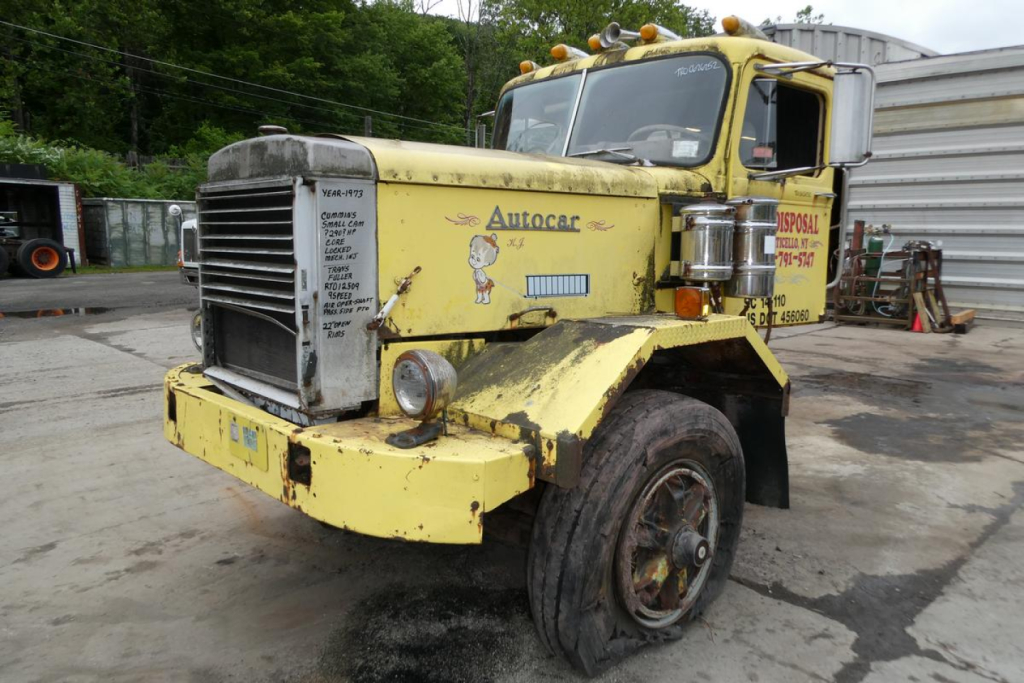
Have autocar day cab truck to sell? List it here to reach thousands of buyers.
About Autocar Day Cab Trucks in New York
For an Autocar day cab, buyers typically focus first on chassis configuration and drivetrain history. Many older Autocar units were spec'd with mechanical Cummins engines, Fuller or Eaton manual transmissions, PTO capability, and rugged rear axle setups intended for severe service. If the truck will be used in New York or the Northeast, look closely at frame condition, cab mounts, spring hangers, crossmembers, and any corrosion around the electrical system and air lines. On vocational trucks, the presence and setup of a PTO can be as important as horsepower, especially if the truck may power wet kits, hydraulic systems, winches, or auxiliary equipment.
Cab layout and front axle spec also matter more than many buyers expect. A day cab used for local hauling benefits from easy entry, clear sightlines, and a turning radius suited to urban streets, transfer stations, quarries, and job sites. Check axle ratings, suspension type, wheel and tire size, brake configuration, and fifth wheel placement if the truck will pull specialized trailers. Kingpin setting, bridge law compliance, and overall wheelbase can affect how practical the truck is for New York work, especially when hauling dense loads or operating in tighter legal weight environments. If the truck is older, confirm parts support for cab components, steering parts, brake hardware, and engine accessories before purchase.
Autocar has long been associated with severe-duty truck construction, and that reputation is why older day cabs still draw interest from operators who value simple drivetrains and serviceable components. The right truck depends less on brand name alone and more on how it was spec'd and maintained. Buyers should evaluate engine condition, transmission model, rear ratio, PTO provisions, frame integrity, suspension wear, and the intended trailer match. A basic local yard tractor setup is very different from a roadable day cab expected to handle regional freight or construction-related hauling every day.
Frequently Asked Questions
What is an Autocar day cab truck best suited for?
An Autocar day cab truck is best suited for local and regional work that does not require overnight accommodations. Common uses include dump service, equipment hauling, municipal work, heavy haul support, yard spotting, and short-route tractor duty. The day cab design reduces overall length and weight compared with a sleeper tractor, which helps in tight job sites, urban deliveries, and terminal operations.
What should I inspect first on a used Autocar day cab?
Start with the frame, cab structure, drivetrain, and any vocational equipment interfaces. On older trucks, inspect for rust, frame repairs, cracked crossmembers, worn suspension components, steering play, brake condition, and air system leaks. If the truck has a PTO or hydraulic setup, confirm the PTO type, location, operation, and compatibility with the equipment you plan to run. Engine and transmission model verification is also important because older mechanical combinations can be durable but may vary widely in parts availability and application fit.
Are older Autocar day cabs good for heavy-duty vocational work?
Many older Autocar day cabs were built specifically for severe-duty use, and that is a major reason buyers still seek them out. Heavy frames, straightforward drivetrains, manual transmissions, and mechanical engines can make them appealing for operations that prioritize toughness and serviceability. Their value depends on condition, maintenance history, and original specifications. A well-maintained truck with the right axle ratings and PTO provisions can still be very useful in vocational service.
Why does wheelbase matter on a day cab truck?
Wheelbase affects turning radius, bridge compliance, trailer compatibility, and weight distribution. A shorter wheelbase usually improves maneuverability in yards, city streets, and job sites, while a longer wheelbase may better support certain trailer combinations or body installations. In states like New York, wheelbase and fifth wheel position can also influence axle spacing and legal load distribution, so buyers should match the truck's dimensions to the freight and routes they expect to run.
Do Autocar day cabs commonly have manual transmissions and PTO setups?
Yes, especially on older vocational-spec trucks. Many used Autocar day cabs were ordered with Fuller or Eaton manual transmissions and PTO capability because they were intended to support hydraulic systems, dump bodies, winches, wet kits, or other work equipment. Buyers should confirm transmission model, PTO opening configuration, shaft or flange style, and whether the truck's existing setup matches the intended application.