
Trucks For Sale Near Dallas, Texas
Browse trucks for sale in Dallas, Texas including day cabs, sleepers, vocational and heavy-duty trucks built for regional, highway, and jobsite work.
Learn more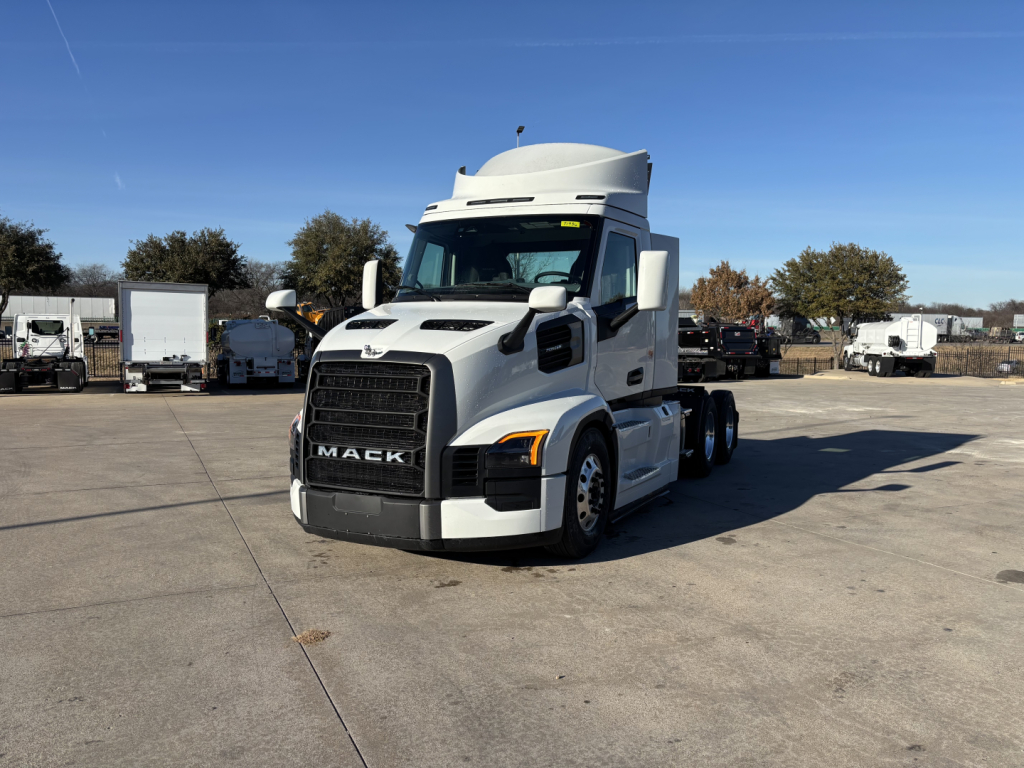
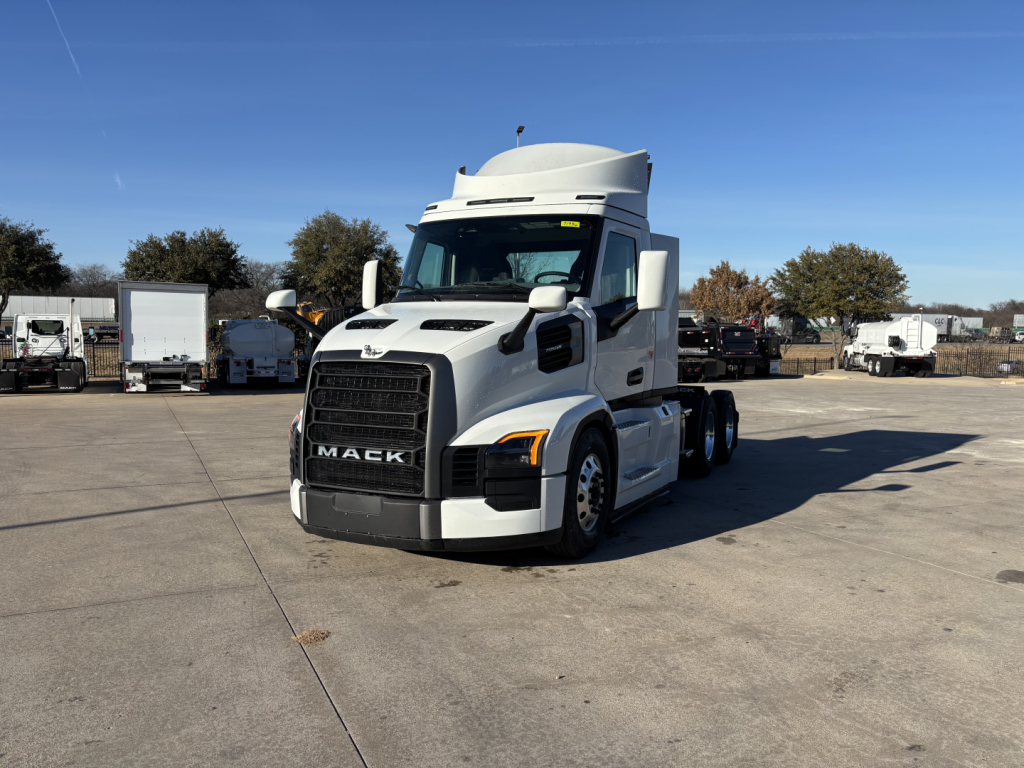
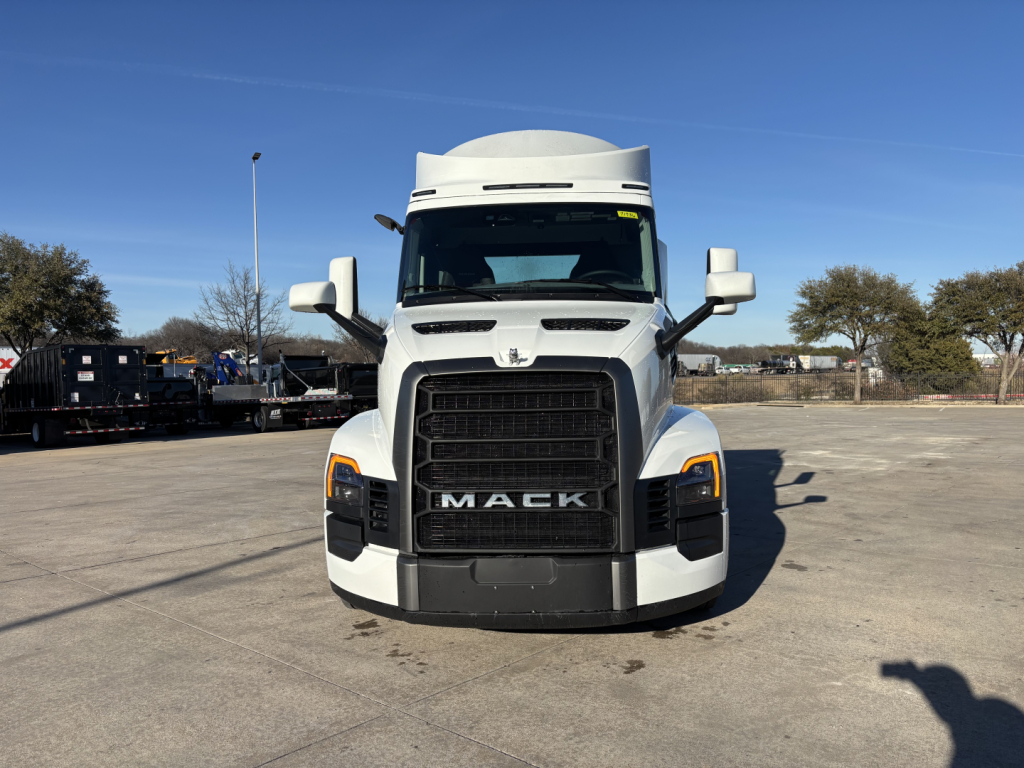
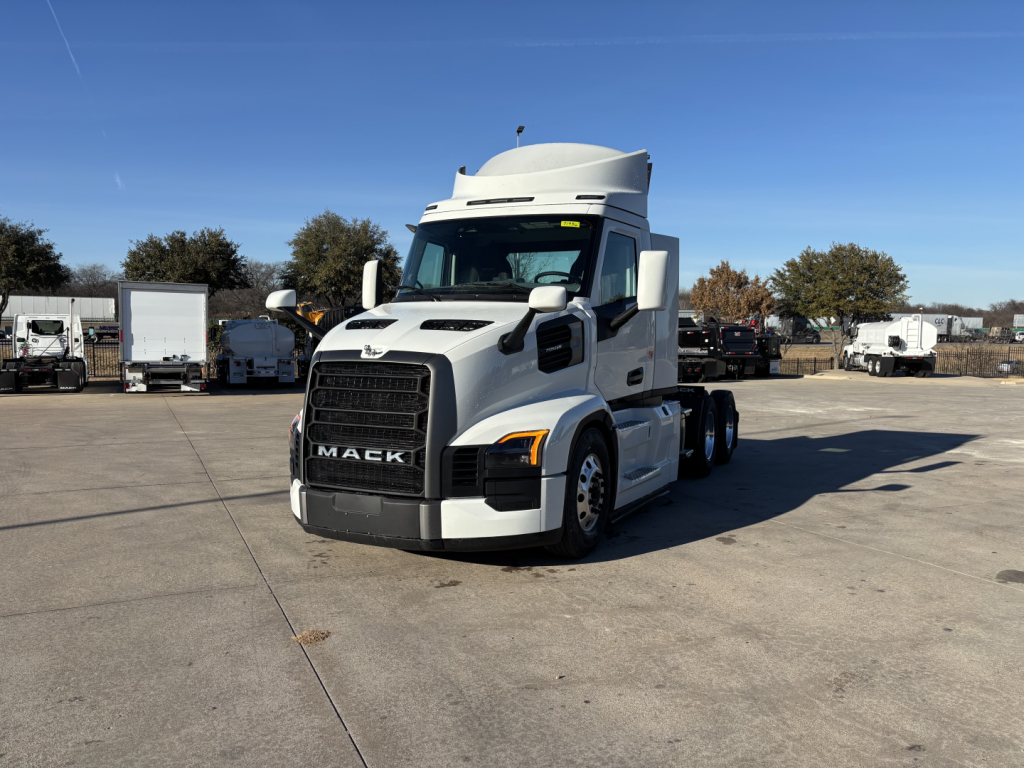
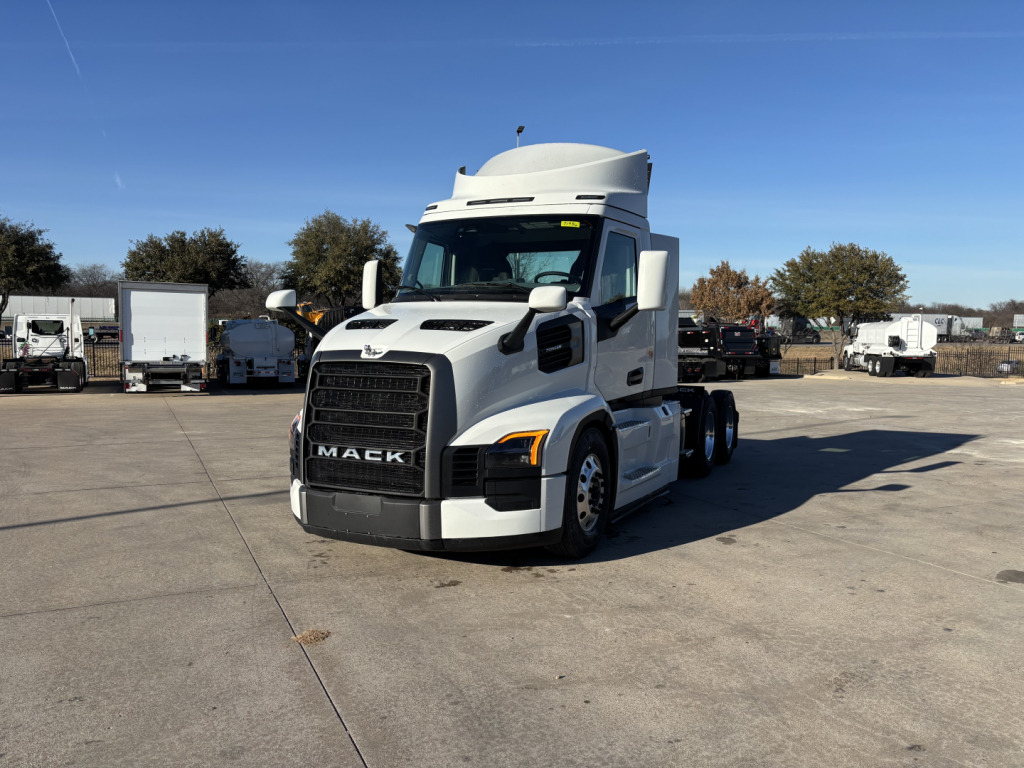
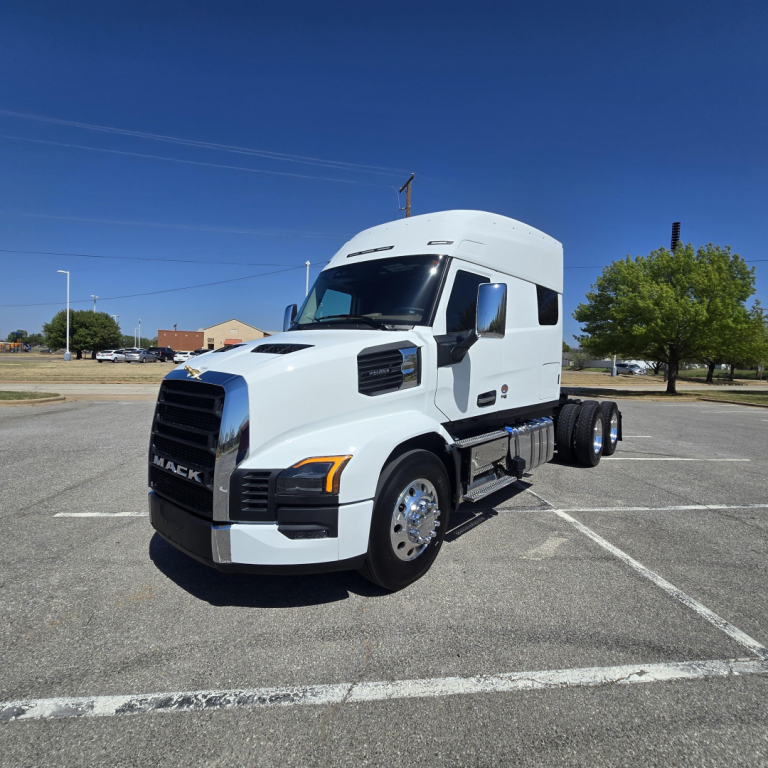
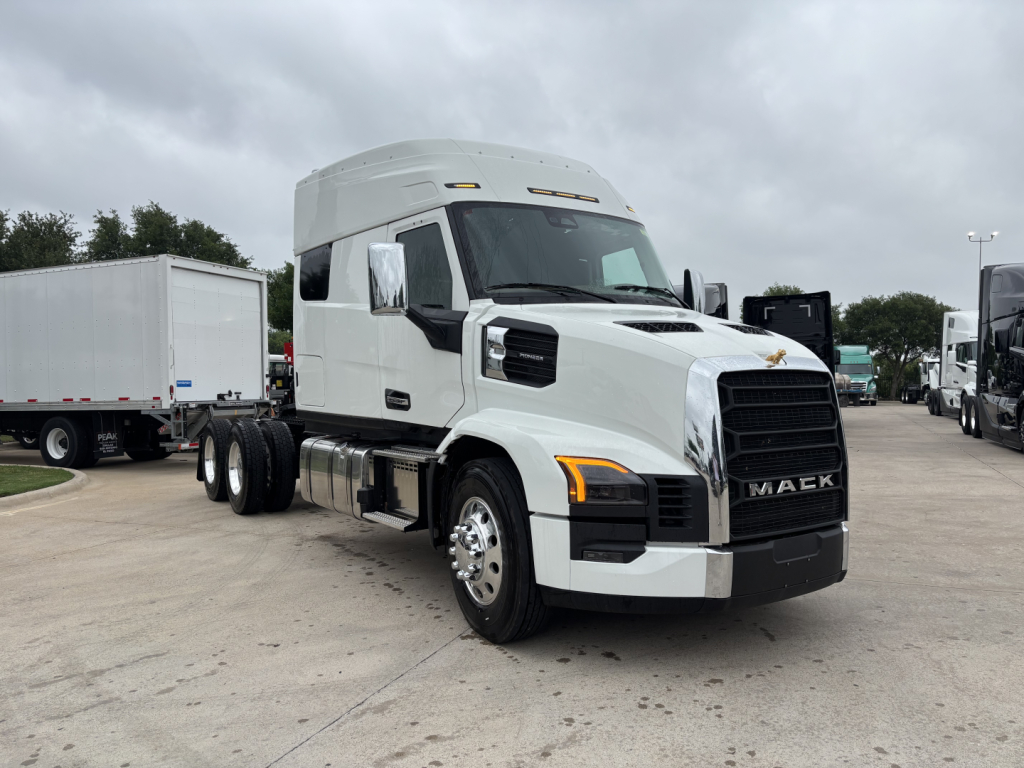
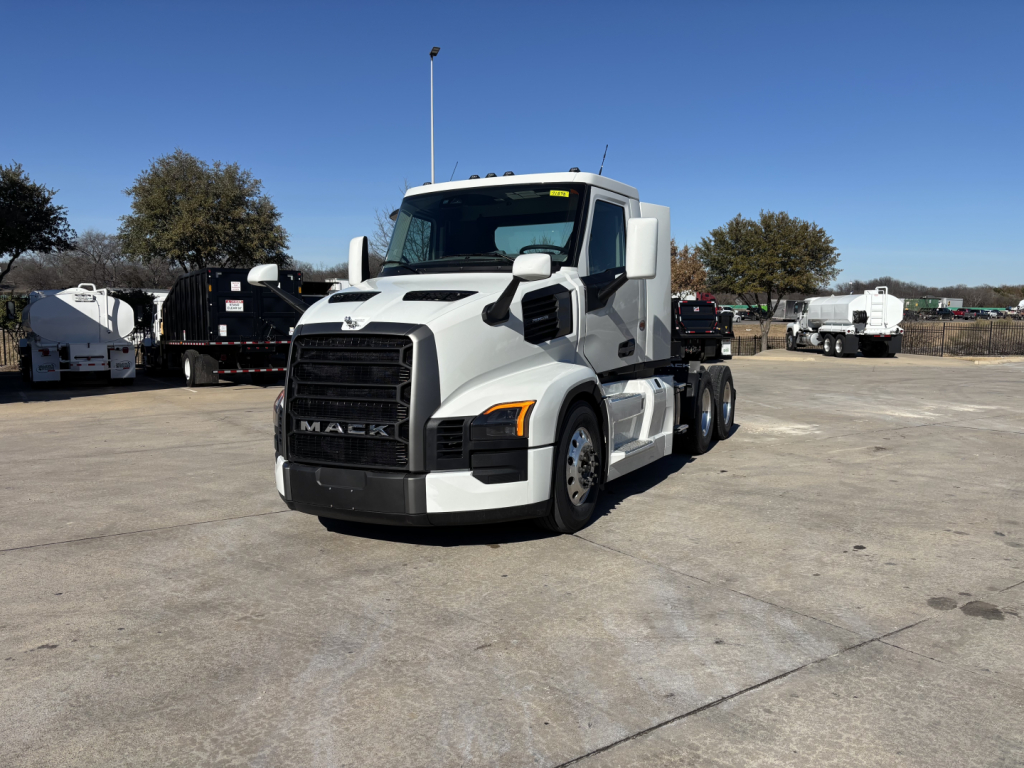
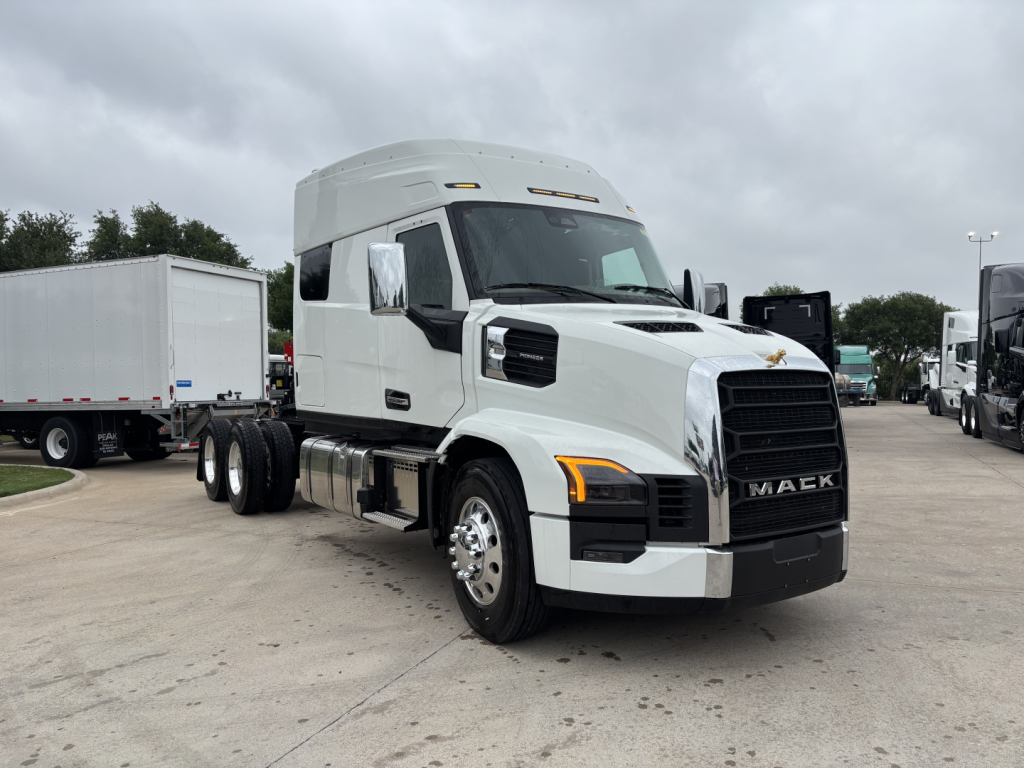
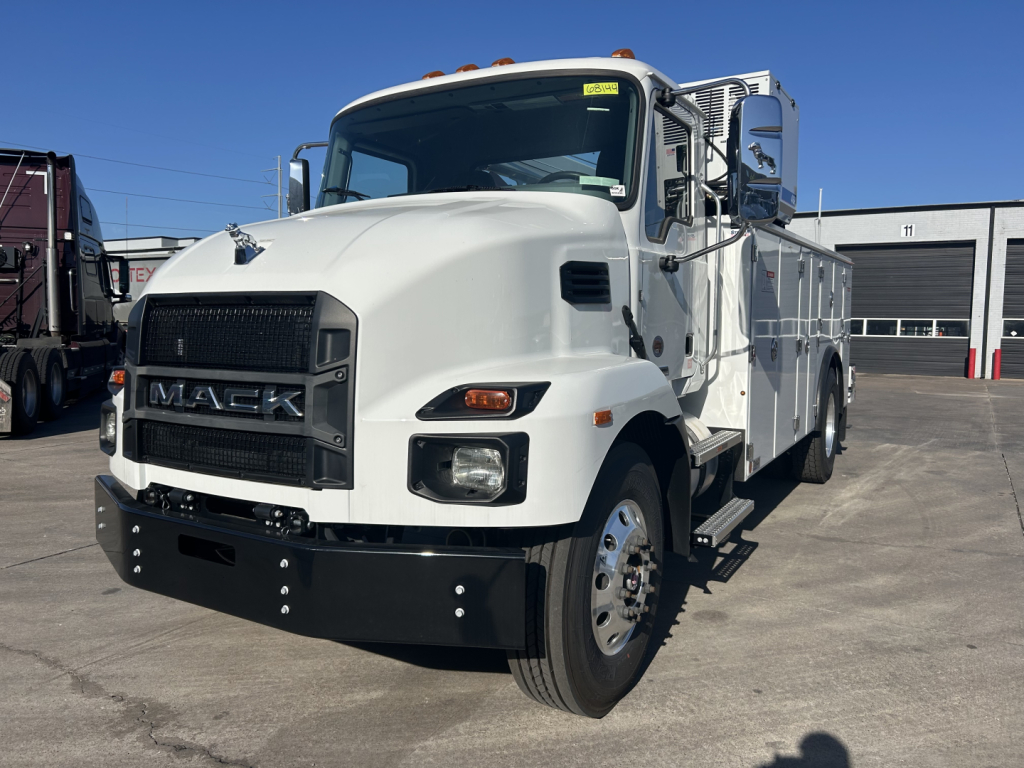
Showing 193 to 204 of 230 results
Have truck to sell? List it here to reach thousands of buyers.
About Trucks Near Dallas, Texas
For on-highway work, the biggest buying decisions are cab type, engine rating, rear axle ratio, and wheelbase. Day cabs are typically chosen for regional and local routes where maneuverability, lower curb weight, and easier yard access matter more than sleeper space. Sleeper trucks are better suited to over-the-road freight and teams that need driver accommodations and greater fuel capacity. Buyers comparing highway tractors should pay close attention to horsepower and torque bands, automated manual transmissions such as Volvo I-Shift or Mack mDRIVE, and rear ratios in the mid-3s that balance cruise RPM, gradeability, and fuel economy. Air-ride rear suspension is common on road tractors because it improves ride quality and helps protect freight.
Vocational trucks follow a different logic. Mixer, roll-off, dump, and crane applications demand heavier front axle ratings, robust frame rails, PTO compatibility, and suspension packages built for off-road or stop-and-go service. It is common to see front axles in the 20,000 to 23,000 pound range, tandem rears at 40,000 to 46,000 pounds, and wheelbases tailored to body length and bridge formula requirements. Engines in the 395 to 500 horsepower range are typical, but the right spec depends less on peak horsepower than on low-speed torque, transmission programming, and how the truck launches under load. Allison automatics remain popular in refuse and roll-off work for their ease of operation, while heavy-duty automated manuals with creeper gears are often selected for mixer and severe-service applications that need precise low-speed control.
A good truck spec matches the route, body, payload, and maintenance plan. Buyers should look closely at rear suspension design, axle spread, turning radius, upfit compatibility, and emissions system service history on used units. In the Dallas area, heat, traffic, and mixed highway-to-jobsite use put extra value on cooling capacity, driver-friendly controls, and durable vocational components. The strongest purchase is usually the one with the clearest match between chassis spec and actual work, not simply the highest horsepower or newest model year.
Frequently Asked Questions
What is the difference between a day cab truck and a sleeper truck?
A day cab truck is built without a sleeper compartment and is typically used for local or regional hauling where the driver returns the same day. A sleeper truck includes a rear living compartment for overnight runs and is better suited to long-haul freight. The choice affects wheelbase, weight, maneuverability, and driver comfort, so it should match the length of haul and operating pattern.
What specs matter most when buying a vocational truck?
The most important vocational truck specs are front axle rating, rear axle capacity, frame strength, suspension type, wheelbase, PTO setup, and transmission choice. These trucks are built around the body and the work cycle, so a mixer, roll-off, or crane truck needs the correct axle placement, bridge compliance, and low-speed drivability more than a highway tractor would. Buyers should confirm that the chassis is properly matched to the intended body and payload.
How much horsepower does a heavy-duty truck need?
Horsepower requirements depend on application, terrain, GCW, and transmission spec. Many heavy-duty trucks fall in the 395 to 500 horsepower range, but torque, axle ratio, and transmission gearing often matter just as much as peak horsepower. A regional tractor can be efficient with a lower rating if it is geared correctly, while severe-service and heavy vocational work may justify more power and lower-speed gearing.
Are automated manual transmissions good for heavy-duty trucks?
Automated manual transmissions are widely used in both highway and vocational trucks because they can improve shift consistency, reduce driver fatigue, and help with fuel economy. Systems like Volvo I-Shift and Mack mDRIVE are common on modern heavy-duty units. For some vocational applications, buyers may still prefer a full automatic like an Allison because of its smooth low-speed operation and frequent stop-and-go suitability.
Why do axle ratings and GVWR matter when shopping for trucks in Texas?
Axle ratings and GVWR determine how much weight a truck can legally and safely carry on its steer axle, drive axles, and total chassis. In Texas, buyers need to match these numbers to the body, payload, route, and bridge requirements, especially for construction and vocational work. Choosing a truck with the wrong axle setup can limit legal payload, accelerate component wear, and create problems when the body is installed.