
Crane Trucks For Sale
Compare crane trucks for sale, from boom trucks to knucklebooms. Review capacities, reach, chassis specs, and options to match your job and budget.
Learn moreBrowse Crane Trucks by Make
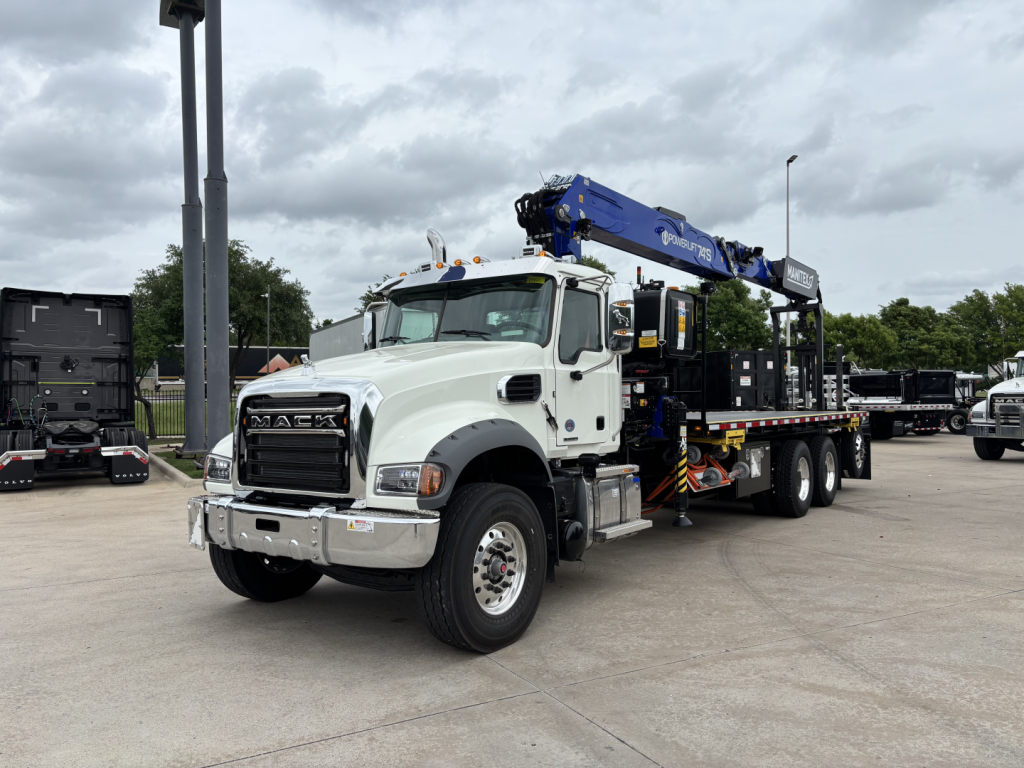
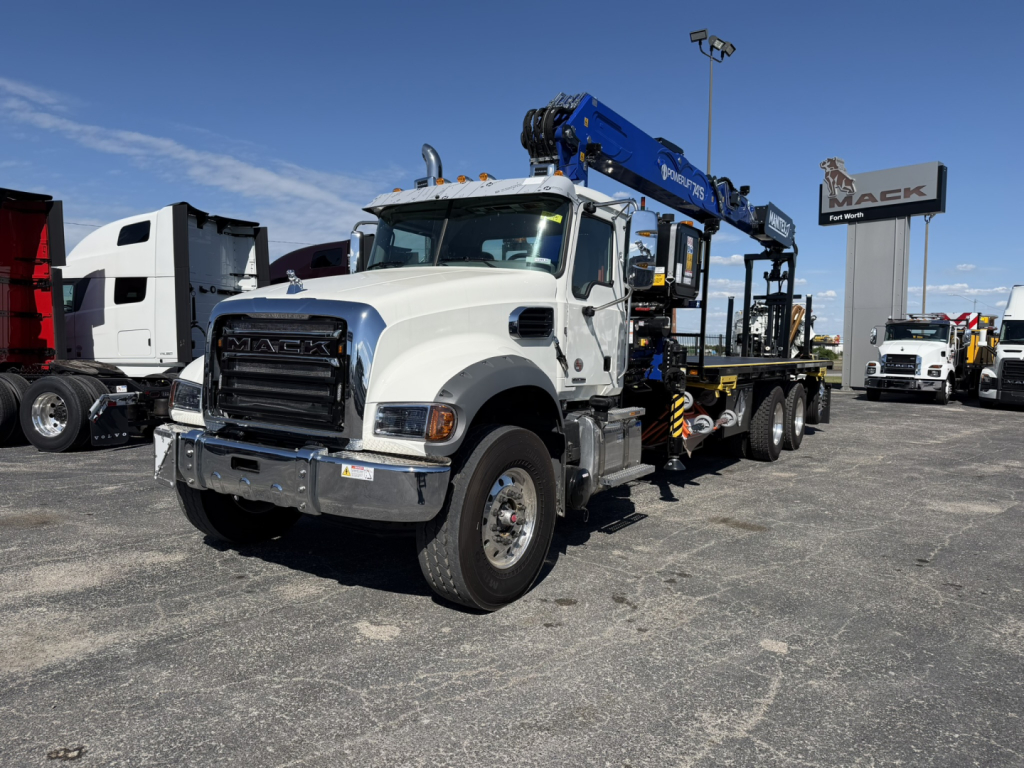
Showing 25 to 26 of 26 results
Have crane truck to sell? List it here to reach thousands of buyers.
About Crane Trucks
Chassis and mounting choices affect payload, stability, and maneuverability. Class 6 through Class 8 trucks are common, with GVWR from 19,500 pounds up to 80,000 pounds plus. Behind cab mounts preserve rear deck length and are popular for material delivery; rear mounts maximize over rear capacity and are preferred for truss, sign, and HVAC placement. Outrigger packages vary from manual swing outs on light units to hydraulic A frame or H style spreads with front stabilizers for over front picks on larger rigs. Verify axle ratings and wheelbase are matched to the crane’s center of gravity and outrigger reactions. Many units run transmission PTO driven hydraulics with an idle up, while small service cranes may use electric hydraulic power packs. Look for spec details like tandem drive 40k rears, 16k to 20k front axles, frame inserts, 11R22.5 tires, radio remote control, winch line speed, and parts of line needed for your heaviest lifts.
Applications range from roofing and truss setting to tree work, sign installation, HVAC placement, utility pole and transformer handling, machinery moving, and building material delivery. Accessories like jibs, brick forks, hoist winches, pole grapples, and personnel baskets are common, but baskets must be approved on the load chart and used under applicable safety rules. CDL requirements generally follow weight: most Class 7 and Class 8 crane trucks need a Class B CDL for single unit or Class A if towing a heavy trailer. Construction sites typically require an OSHA compliant certified crane operator for cranes over 2,000 pounds capacity, while non construction tasks may follow different rules; always confirm state and site policies. Bridge laws and local road limits can drive choices like lift axles and outrigger style if you routinely run urban routes or state lines.
When comparing crane trucks for sale, evaluate more than miles. Crane hours, number of cycles, recent annual crane inspection records, and LMI calibration matter. Inspect boom sections for corrosion, dings, and pad wear; check sheaves, wire rope, hook block, and swivels; scan hoses, valves, and pump for leaks and pressure stability. Confirm outrigger beams slide smoothly and jacks hold under load, and verify the truck frame has no cracks near the crane pedestal. For knucklebooms, check pin and bushing play, extension chain or hose reels, and radio remote lag. Finally, make sure the remaining payload suits your cargo after accounting for crane weight, body style, toolboxes, and fuel, and confirm dealer and manufacturer parts support for brands like National Crane, Manitex, Elliott, IMT, Auto Crane, Palfinger, and Hiab.
Frequently Asked Questions
What is the difference between a boom truck and a knuckle boom crane truck?
A boom truck uses a straight telescopic boom that delivers high tip heights and strong picks at longer radii, ideal for trusses, rooftop HVAC, and signage. A knuckle boom is an articulating crane that folds for travel and excels at loading and unloading in tight spaces with precise placement near the truck. Boom trucks are typically rated in tons, while knucklebooms are rated in ton meters. Boom trucks generally offer more vertical reach with lighter weight for the same capacity, while knucklebooms offer superior close quarter handling and versatility with attachments.
How do I choose the right capacity and reach?
Start with your heaviest lift and the typical radius where that lift happens. Use the crane’s load chart at that radius and boom angle to verify capacity, then add a safety margin for rigging weight and wind. For rooftop units or trusses, tip height and radius drive selection, often pointing to stiff booms with jibs. For delivery work that loads from curb to deck throughout the day, a knuckleboom with enough horizontal reach and attachments like brick forks works best. If you frequently need multiple parts of line, check winch line pull, sheave count, and line speed for cycle time.
What axle configuration and outrigger package should I consider?
Match axle ratings and spacing to the crane’s mounting position and reactions. A behind cab mount can keep wheelbase reasonable and payload higher, while a rear mount may require longer wheelbase and heavier front axle to balance loads. Tandem rears are common above 20 ton. Front stabilizers are essential for strong over front charts on many models. A frame outriggers are compact and quick; H style outriggers provide wider spread and stability on uneven ground. If you run heavier payloads or strict bridge law states, consider a pusher or tag axle to legalize weight.
Do I need a CDL or operator certification for a crane truck?
Most crane trucks in Class 7 to Class 8 require a CDL based on GVWR. A Class B CDL covers most straight trucks at 26,001 pounds or more, and a Class A is needed when towing heavy trailers. For construction work, OSHA requires certified operators for cranes with capacities over 2,000 pounds, with employer evaluations and documentation. Non construction tasks may fall under different rules, but formal training and documented competency are still expected. Always verify state and site specific requirements before dispatch.
What should I inspect on a used crane truck before buying?
Review the last annual crane inspection, maintenance records, and LMI or RCI calibration. Check boom wear pads, pin and bushing play, wire rope condition, hook latch, and anti two block function. Operate outriggers under load and confirm no cylinder drift. Inspect the chassis frame at the pedestal and outrigger mounts for cracks or rust, verify PTO engagement, hydraulic pressure, and smooth valve control. Compare crane hours to truck miles, and confirm remaining payload, tire condition, and any frame inserts or reinforcements match the crane rating.