
Mack Crane Trucks For Sale
Browse Mack crane trucks built for lifting, hauling, and jobsite service with strong chassis specs, tandem axles, and vocational durability.
Learn more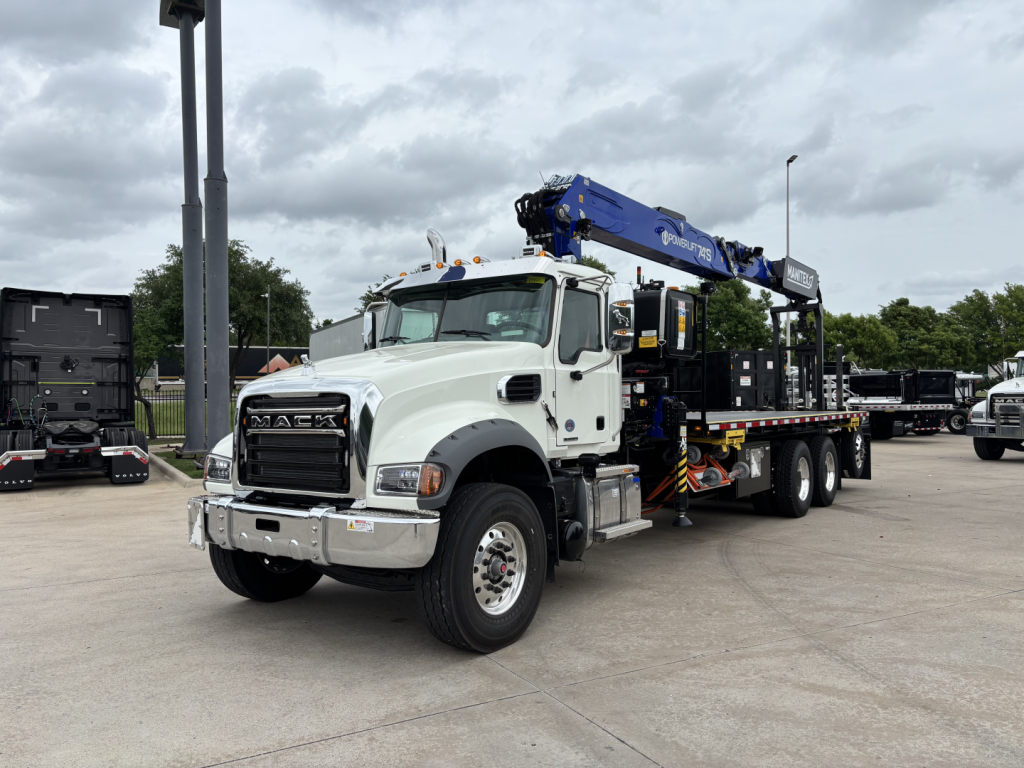
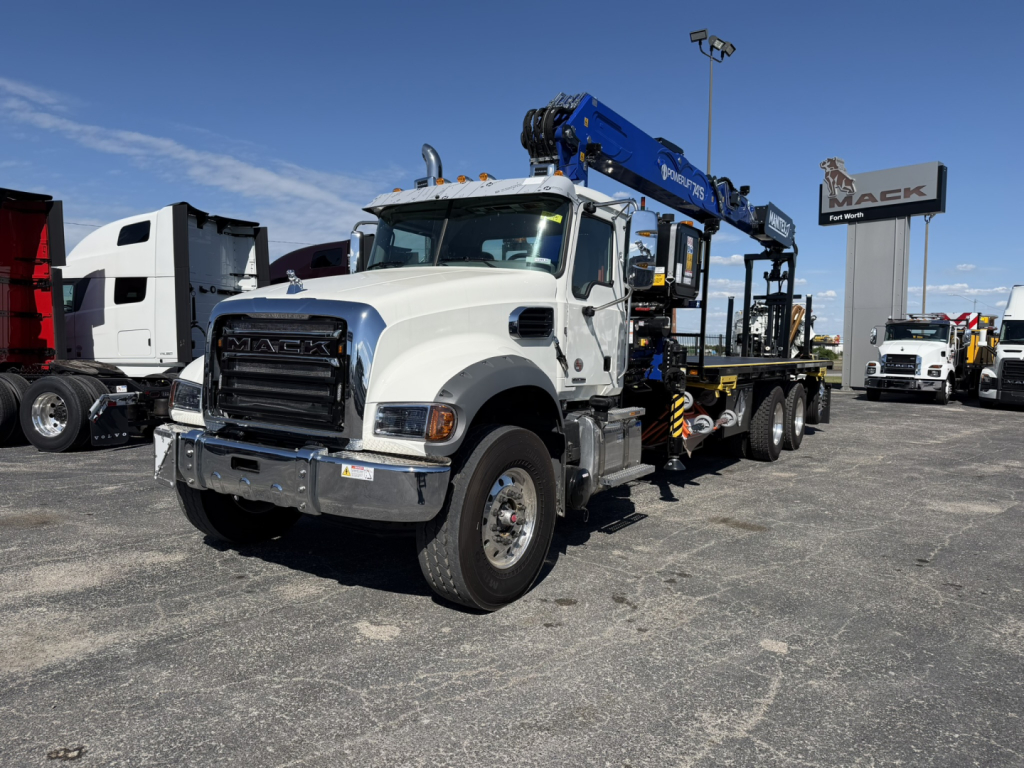
Showing 25 to 26 of 26 results
Have mack crane truck to sell? List it here to reach thousands of buyers.
About Mack Crane Trucks
Chassis specification matters as much as crane capacity. Many Mack crane truck setups are built on tandem axle configurations with GVWRs in the 66,000-pound range, front axle ratings around 20,000 pounds, and rear axle ratings around 46,000 pounds. Wheelbase is a key decision because it affects body length, crane placement, turning radius, and bridge law compliance. Engine and transmission combinations such as the Mack MP8 paired with an mDRIVE HD automated manual are common in heavier builds where low-speed control, reverse maneuvering, and jobsite durability are important. Rear ratio, suspension type, and PTO compatibility should be matched to the crane's duty cycle, body payload, and the terrain the truck will see every day.
A buyer should also pay close attention to the crane installation itself, even when shopping by chassis category. Knuckle boom and stiff boom configurations serve different work styles. Knuckle booms are popular where compact stowage, reach flexibility, and precise placement matter. Stiff booms are often preferred for simpler lifting patterns and straightforward service access. Outrigger spread, frame reinforcement, body design, and load distribution all affect real-world stability and lifting performance. On Mack crane trucks, the right package often includes a properly engineered subframe, adequate front axle capacity for crane weight, and enough behind-cab or rear body space to support the crane without compromising legal payload.
For fleet buyers, Mack crane trucks also make sense from a service and uptime standpoint. Parts support, vocational dealer familiarity, and robust powertrain options are important when the truck is expected to work both on-road and on-site. Look closely at axle ratings, wheelbase, PTO setup, suspension, and intended crane class before comparing units. The best Mack crane truck is not simply the one with the biggest boom or highest horsepower. It is the one whose chassis, frame, and body layout are engineered around the lift work, payload, and road conditions your operation sees every week.
Frequently Asked Questions
What are Mack crane trucks commonly used for?
Mack crane trucks are commonly used for jobs that require both hauling and lifting from the same unit. Typical applications include delivering building materials, setting HVAC units, utility and sign work, moving equipment, handling palletized products, and servicing field operations where a separate crane is not practical. They are especially useful in fleets that need one truck to travel legally on public roads, carry payload, and perform controlled lifts at the jobsite.
What chassis specs matter most when buying a Mack crane truck?
The most important chassis specs are front axle rating, rear axle rating, GVWR, wheelbase, frame strength, suspension, and PTO-compatible drivetrain configuration. Front axle capacity is critical because the crane and its mounting can add substantial weight ahead of or just behind the cab. Wheelbase affects body length, turning radius, and crane placement. Engine torque, transmission gearing, and rear ratio also matter because crane trucks spend a lot of time in low-speed maneuvering and may operate on uneven or unimproved surfaces.
How do I choose between a knuckle boom and a stiff boom on a Mack crane truck?
A knuckle boom is usually the better choice when you need compact stowage, longer horizontal reach options, and precise load placement in tighter spaces. A stiff boom is often preferred for more traditional lifting tasks with simpler operating geometry and, in some cases, easier service access. The right choice depends on the material being handled, the lift radius, required reach, body layout, and how often the truck needs to access congested urban or industrial sites.
Why is wheelbase important on a crane truck?
Wheelbase affects far more than overall truck length. It influences axle loading, body design, crane mounting location, outrigger geometry, maneuverability, and compliance with bridge and weight laws. A wheelbase that is too short can limit body space and create packaging issues for the crane and outriggers. A wheelbase that is too long can reduce maneuverability on jobsites. The best wheelbase is one that supports the intended crane, body, and payload without creating balance or access problems.
Are Mack crane trucks suitable for heavy vocational duty?
Yes. Mack crane trucks are well suited for heavy vocational work when the chassis is properly matched to the crane and body. Mack vocational platforms are often selected for strong frames, durable suspensions, heavy axle ratings, and powertrain options designed for demanding stop-and-go service. That makes them a practical fit for construction, utility, municipal, and industrial fleets that need a truck to handle both highway travel and repeated jobsite lifting cycles.