
Ford Crane Trucks For Sale
Shop Ford crane trucks for lifting, service, and utility work. Compare chassis, boom capacity, PTO setups, and body configurations.
Learn moreNo exact matches found for your search
Showing Crane Trucks instead.
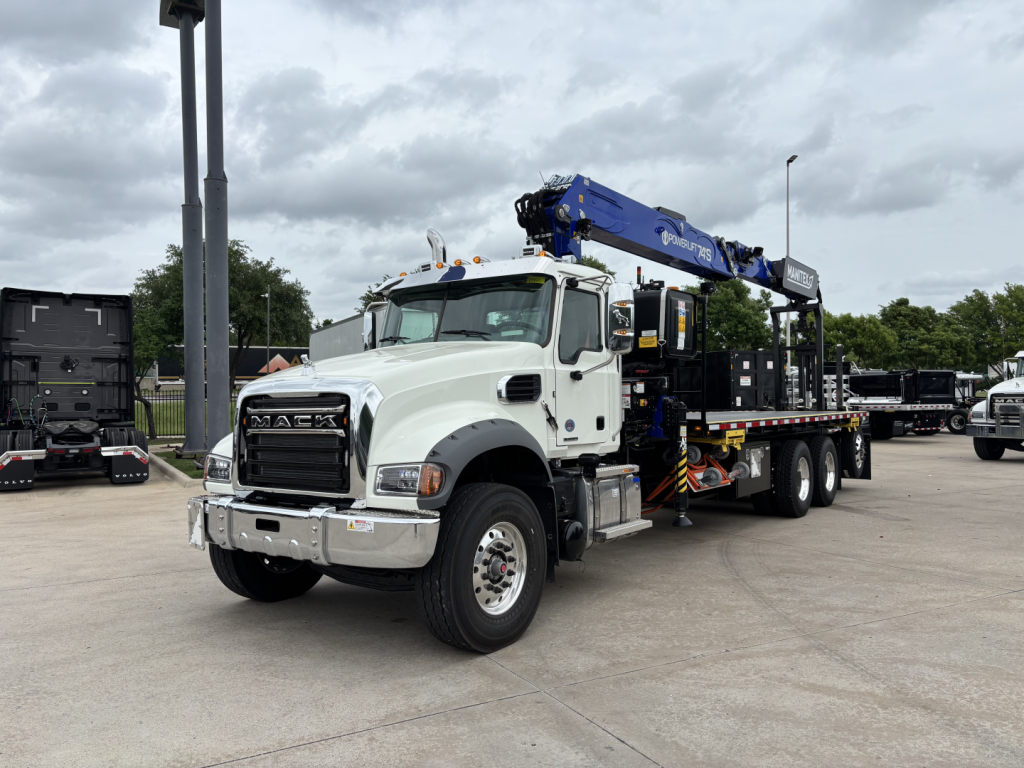
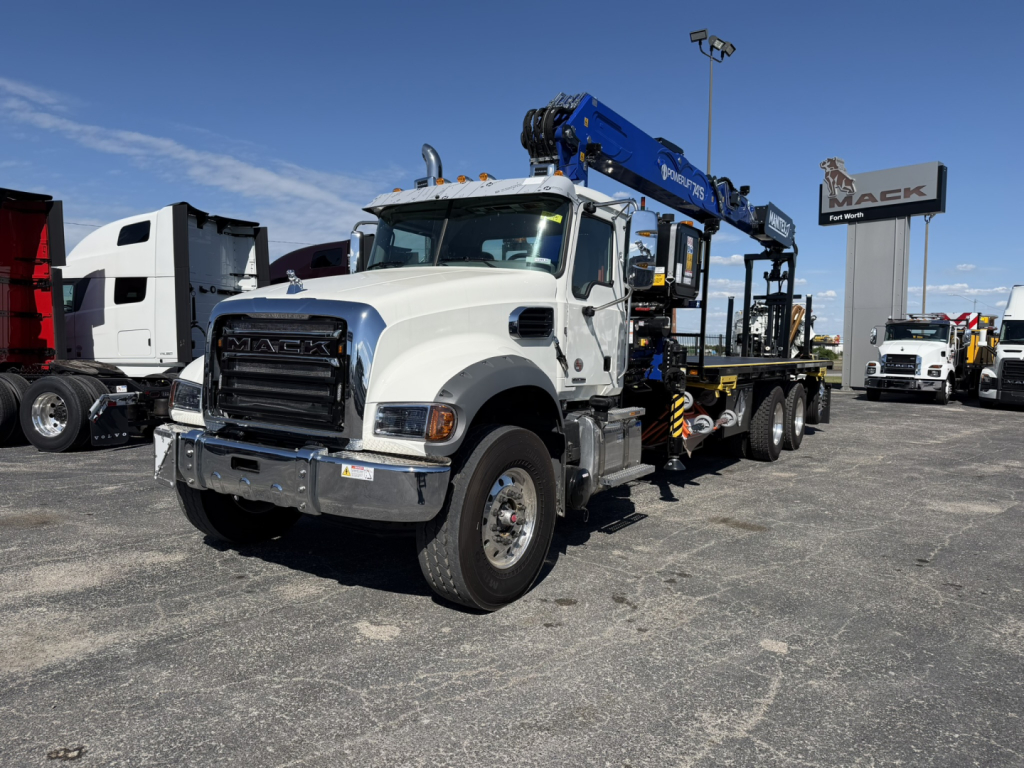
Showing 25 to 26 of 26 results
Have ford crane truck to sell? List it here to reach thousands of buyers.
About Ford Crane Trucks
The most important buying decision is matching crane spec to real jobsite use. Look at maximum lifting capacity, lift chart at working radius, boom length, and whether the unit has a hydraulic extension, winch, and remote control. A crane truck used for setting generators, handling pipe, loading equipment, or changing components in the field needs enough reserve capacity for safe picks, not just an impressive rating at close reach. Outrigger spread, frame reinforcement, body length, and payload distribution also matter because a poor body and crane match can reduce stability and legal carrying capacity. Many Ford crane trucks in this class are used as mechanic trucks, which means compartment layout, top packs, drawer systems, air compressors, and onboard power are just as important as the crane itself.
Engine and driveline choices vary by model year and GVWR. On lighter Ford crane trucks, buyers may see gas engines such as the 6.8L V10 on older F-550 units, while medium-duty and later Super Duty chassis are often equipped with Power Stroke diesel engines for higher torque and better performance under load. Transmission type, rear axle ratio, wheelbase, and 4x2 versus 4x4 configuration all affect how the truck works once the body and crane are installed. A shorter wheelbase can help in urban service work, while a longer CA dimension gives more room for compartments, stabilizers, and larger crane bases. Check front axle loading carefully, because crane placement and bumper-mounted accessories can push weight onto the steer axle faster than many buyers expect.
Body condition and hydraulic health are just as important as cab and drivetrain condition. Inspect the crane base, pedestal, boom wear surfaces, hoses, pins, and hydraulic cylinders for leaks or signs of hard use. Review the condition of the outriggers, pump, PTO engagement, and any overload protection or anti-two-block system. If the truck will be used in utility, construction, municipal, or plant maintenance service, also pay attention to rust in the body structure, compartment floors, and subframe mounting points. A well-matched Ford crane truck can be a practical platform for mobile service and light lifting, but the best value comes from verifying the crane system, chassis ratings, and body layout as one integrated package.
Frequently Asked Questions
What Ford models are most common for crane truck applications?
Ford crane trucks are most commonly built on F-450 and F-550 Super Duty chassis for lighter mechanic and service body applications, with F-650 and F-750 chassis used when more body space, axle capacity, or crane rating is required. The right model depends on the combined weight of the body, tools, crane, hydraulic equipment, and the loads you expect to lift or carry.
How do I choose the right crane capacity on a Ford service truck?
Start with the actual items the truck will lift, then compare those weights to the crane's load chart at the radius where the work is done. A crane may have a strong maximum rating close to the body but much less capacity at full reach. Buyers should account for rigging weight, boom extension, outrigger setup, and the truck's stability, not just the headline crane number.
Are Ford crane trucks usually gas or diesel?
Both are common, depending on chassis class and model year. Older lighter-duty units are often found with Ford's 6.8L V10 gas engine, while many later and heavier trucks use Power Stroke diesel engines for better torque and work-truck durability. The better choice depends on annual mileage, idle time, service familiarity, and whether the truck will spend more time driving or operating stationary equipment through the PTO system.
What should I inspect on a used Ford crane truck besides the chassis?
The crane and hydraulic system deserve as much attention as the truck itself. Check boom condition, pins, bushings, cylinders, hoses, PTO operation, outriggers, remote functions, and any safety devices. Also inspect the service body, subframe, compartment floors, and mounting points for rust, cracking, or repairs, because structural problems in the body or crane mount can be expensive to correct.
Can a Ford crane truck be used as a mechanic truck?
Yes. Many Ford crane trucks are configured specifically as mechanic trucks, also called service trucks, with compartment bodies, air compressors, welders, generators, and parts storage. In that application, the best setup is one where the crane capacity, body layout, and axle ratings are balanced so the truck can safely carry tools and still perform routine lifts in field service work.