
Peterbilt Conventional Sleeper Trucks For Sale
Shop Peterbilt conventional sleeper trucks with details on 579 and 389 specs, sleeper options, engines, drivetrains, and long-haul use.
Learn more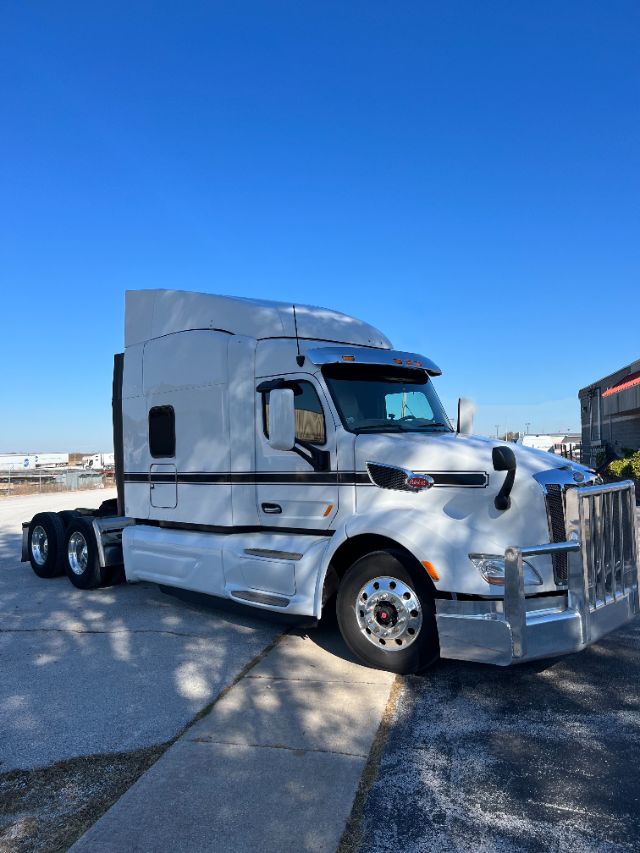
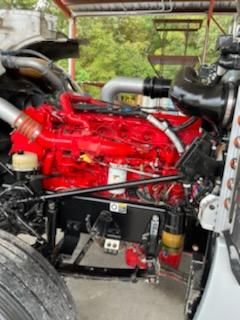
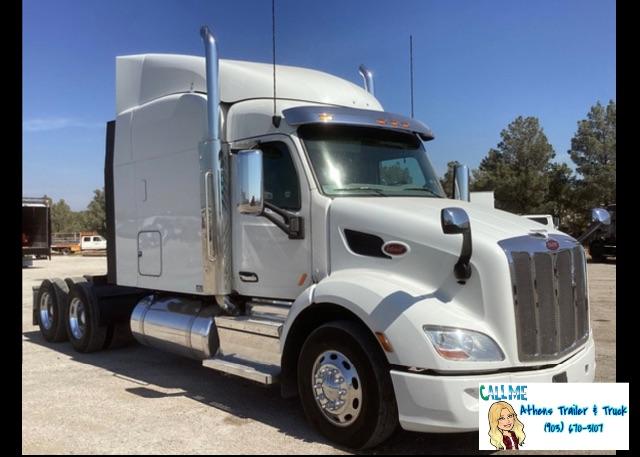

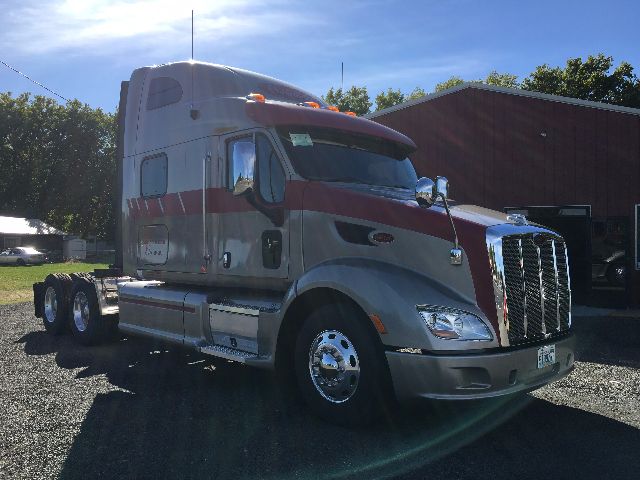
Showing 49 to 54 of 54 results
Have peterbilt conventional sleeper truck to sell? List it here to reach thousands of buyers.
About Peterbilt Conventional Sleeper Trucks
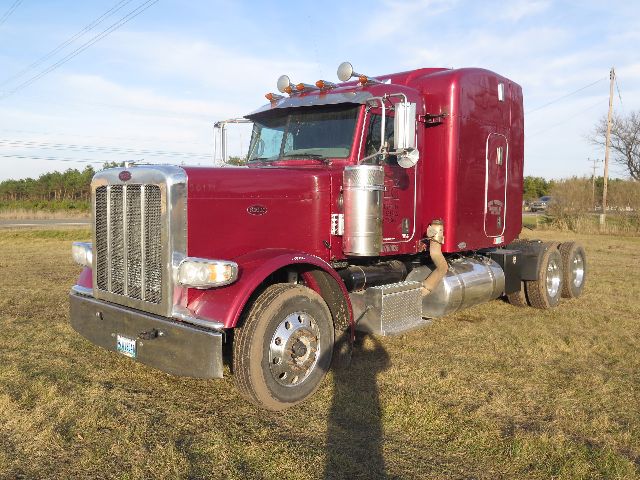
Sleeper configuration is one of the first decisions to make. Common Peterbilt sleepers in this class include 78-inch and 80-inch stand-up sleepers such as the Unibilt High Roof and UltraLoft. Buyers comparing listings should look beyond sleeper length and pay attention to interior layout, upper bunk configuration, refrigerator, bunk heater, APU, storage, and dash package. For team operations or long regional runs, these details affect uptime and driver retention. Wheelbase also matters because a 232-inch to 246-inch truck will behave differently than a 270-inch to 280-inch spec when it comes to trailer swing clearance, ride quality, and maneuverability at tight docks.
Powertrain specs in Peterbilt sleeper trucks typically center on Cummins X15 and ISX15 engines in the 450 to 500 horsepower range, backed by 12-speed automated manuals such as the Eaton Endurant or by 18-speed manual transmissions in more traditional 389 specs. Rear axle ratings are commonly 40,000 pounds on tandem drives, with ratios like 2.64, 3.08, and 3.36 each serving a different job. Lower ratios generally favor fuel mileage at highway speed, while deeper ratios give better startability and suit heavier gross weights or mixed terrain. Air ride suspension, engine brakes, sliding fifth wheels, dual aluminum fuel tanks, and disc wheel packages are all common spec points worth comparing line by line.
A good Peterbilt conventional sleeper truck is not just about year and mileage. Buyers should compare emissions system history, transmission type, axle ratio, sleeper equipment, brake spec, and intended lane. A 579 EPIQ or UltraLoft setup may be the better fit for fuel-conscious long-haul freight, while a 389 with a high-roof sleeper, manual gearbox, and higher horsepower may be the right choice for specialized hauling or an owner-operator focused on appearance and drivability. Peterbilt remains a strong choice in the sleeper market because these trucks are widely recognized, driver-friendly, and available in specs that range from practical fleet tractor to premium highway truck.
Frequently Asked Questions
What is the difference between a Peterbilt 579 sleeper and a Peterbilt 389 sleeper?
The Peterbilt 579 is an aerodynamic highway tractor designed to reduce drag and improve fuel economy on long-haul runs. It is commonly spec'd with automated manual transmissions, side fairings, cab extenders, and lower rear axle ratios. The Peterbilt 389 is the classic long-hood conventional, typically chosen for appearance, traditional driving feel, and heavier or more specialized applications. It often carries higher horsepower ratings, longer wheelbases, and manual transmissions, although automated options exist there as well.
What sleeper sizes are common in Peterbilt conventional sleeper trucks?
Common sleeper sizes in this category are 78-inch and 80-inch stand-up sleepers. Peterbilt buyers will often see names like Unibilt High Roof and UltraLoft. The right choice depends on how the truck is used. A larger stand-up sleeper can improve driver comfort on extended over-the-road runs and team operations, especially when equipped with an upper bunk, refrigerator, bunk heater, and auxiliary power unit.
Which engine and transmission combinations are common in Peterbilt sleeper trucks?
Cummins X15 and ISX15 engines are among the most common choices in Peterbilt conventional sleepers, usually rated around 450 to 500 horsepower. On the transmission side, many 579 models are paired with Eaton Endurant automated manual transmissions for efficiency and ease of operation, while many 389 trucks are spec'd with 18-speed manuals for drivers who want more direct control. The best combination depends on terrain, freight weight, driver preference, and fuel economy goals.
How important is rear axle ratio on a Peterbilt sleeper truck?
Rear axle ratio has a major effect on fuel mileage, cruising RPM, launch performance, and gradeability. Ratios such as 2.64 are typically chosen for highway fuel economy in lighter long-haul applications, while 3.08 offers a balanced road speed and pulling setup. A 3.36 ratio is more common when a buyer wants stronger low-speed performance, heavier hauling capability, or more flexibility in mixed terrain. The ratio should be matched to the engine, transmission, tire size, and average gross combination weight.
What should I compare first when shopping Peterbilt conventional sleeper trucks?
Start with the intended application, then compare sleeper size, wheelbase, engine rating, transmission type, rear axle ratio, and suspension. After that, look closely at driver comfort and uptime items such as APU, bunk heater, refrigerator, dash configuration, fuel capacity, and brake type. Service history and emissions system condition are also critical, especially on newer EPA trucks where aftertreatment repairs can affect operating cost more than cosmetic condition.