
Mack Conventional Sleeper Trucks For Sale in Oklahoma
Browse Mack conventional sleeper trucks in Oklahoma with MP8 or MP13 power, mDRIVE transmissions, aerodynamic specs, and long-haul comfort.
Learn more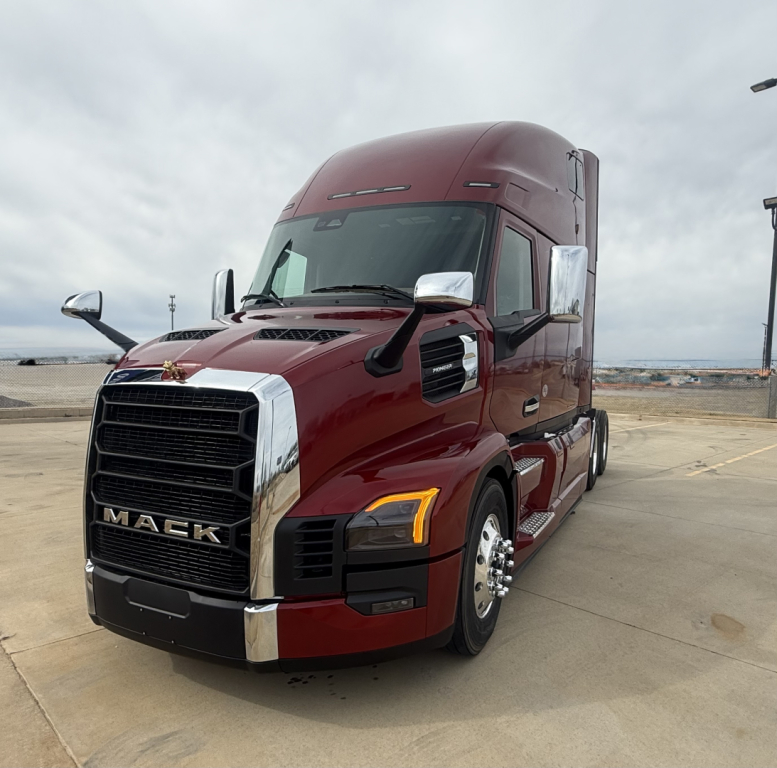
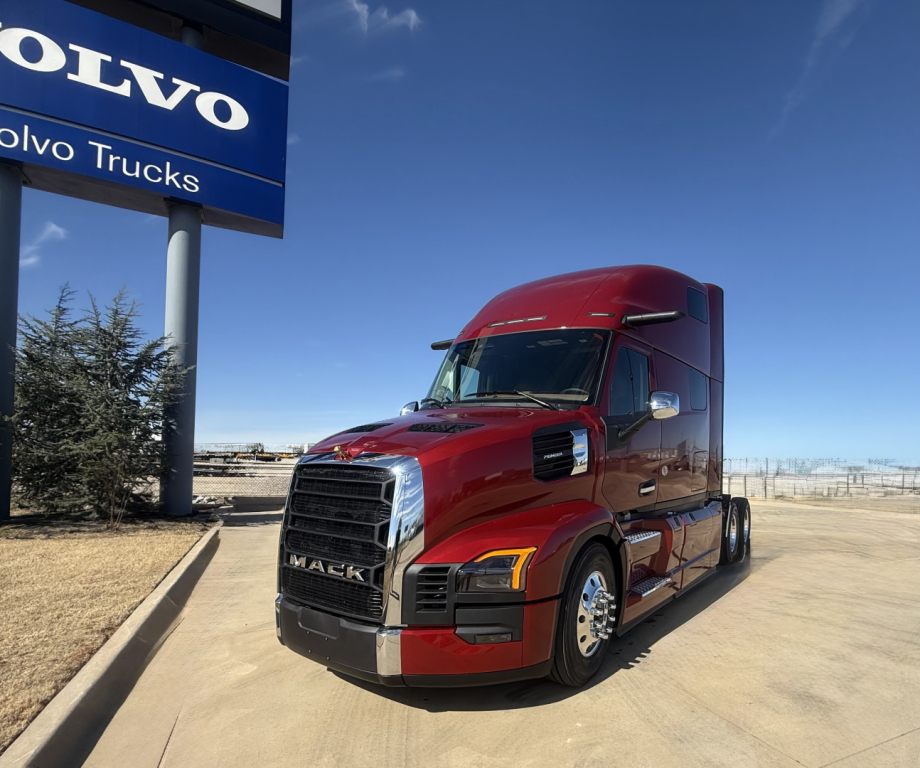
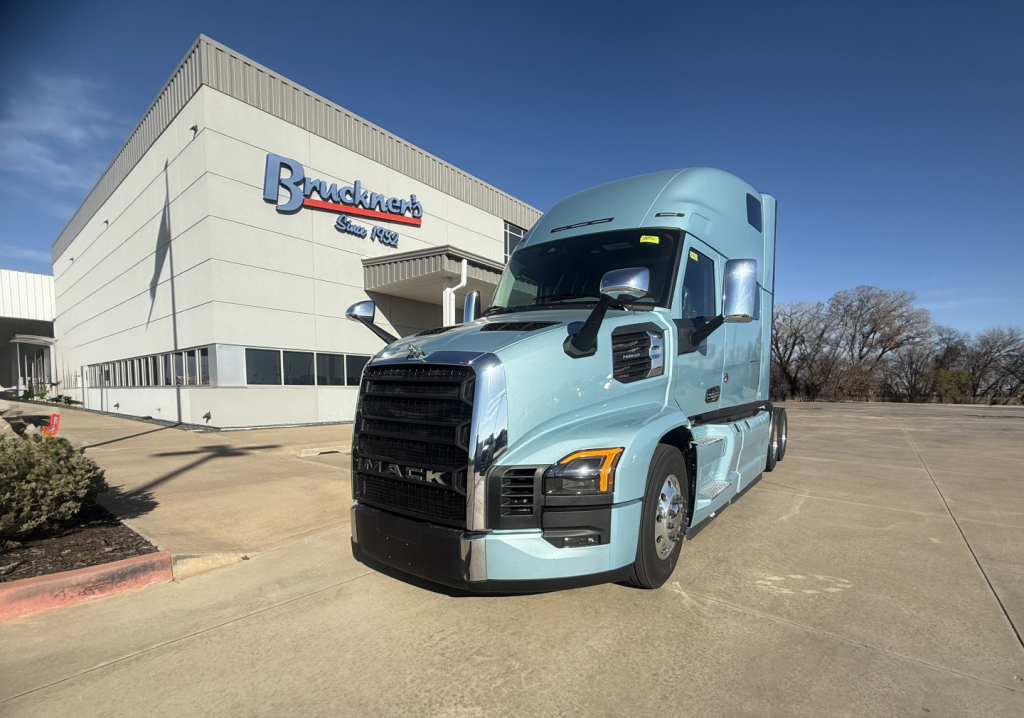

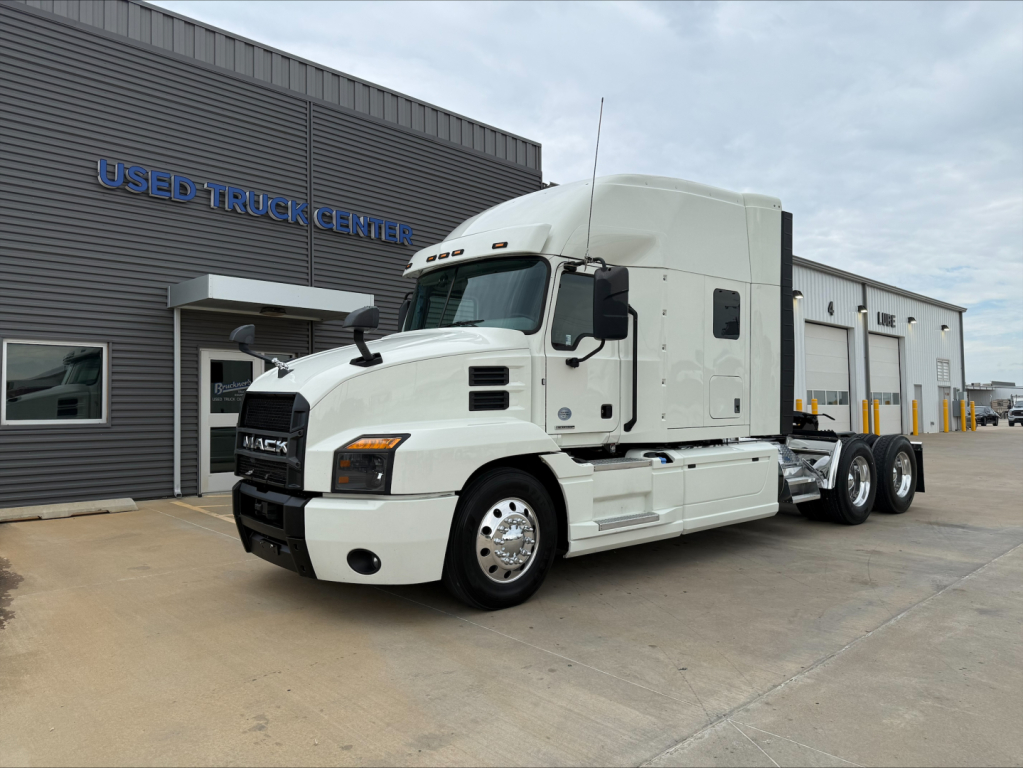
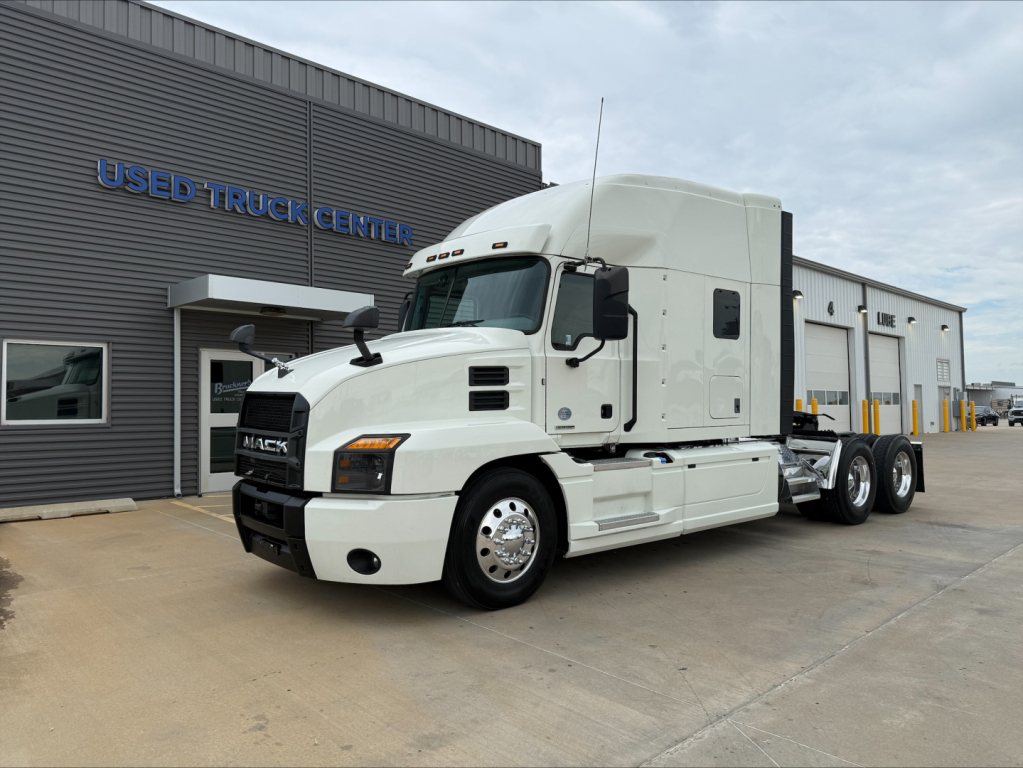
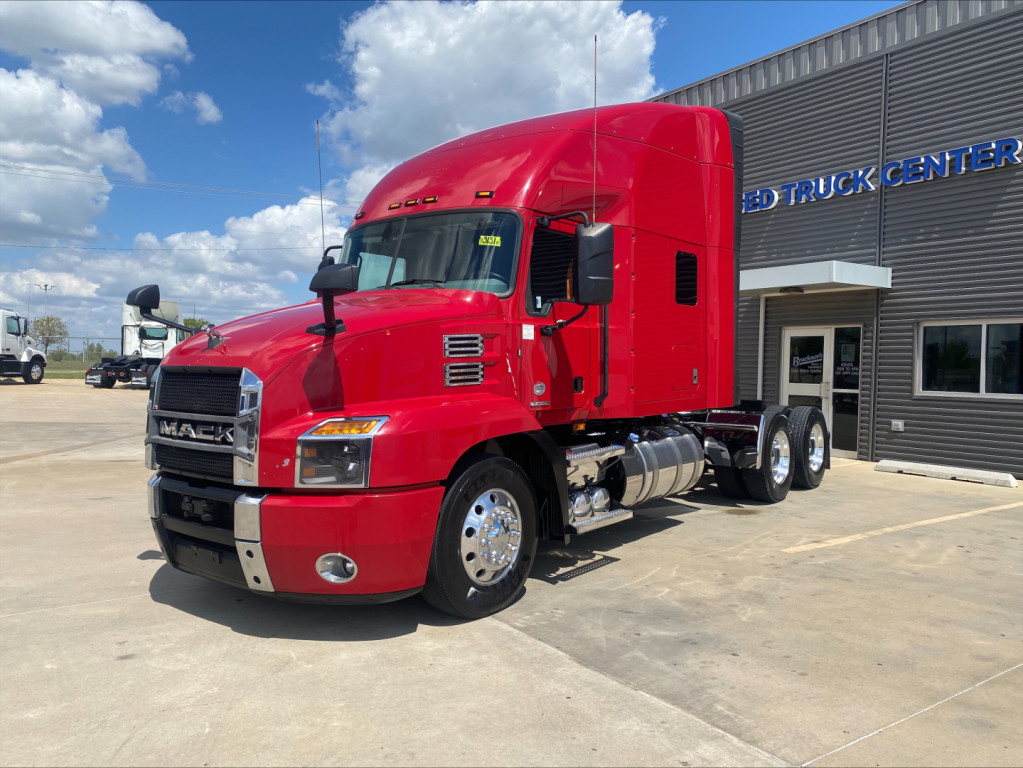
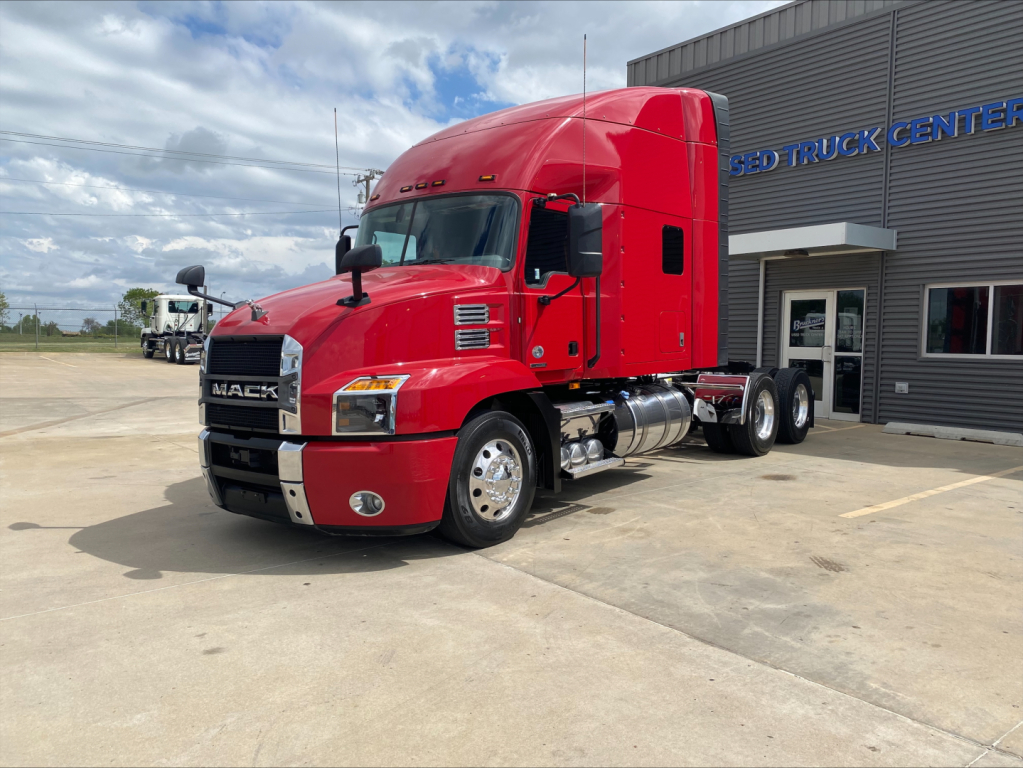
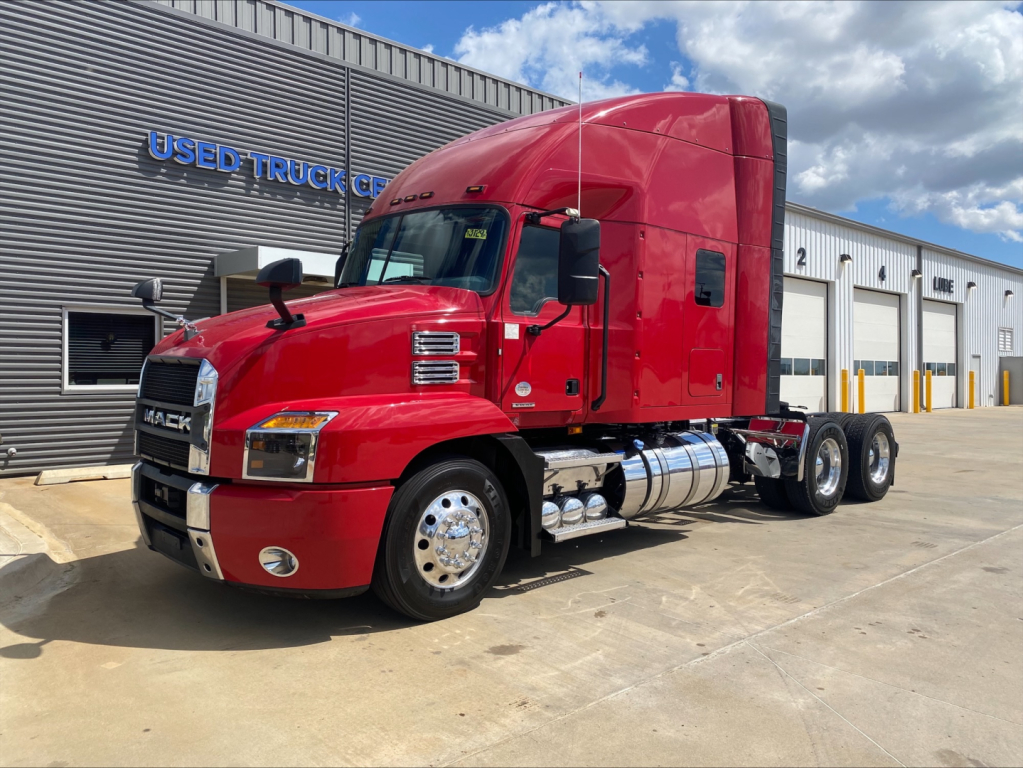
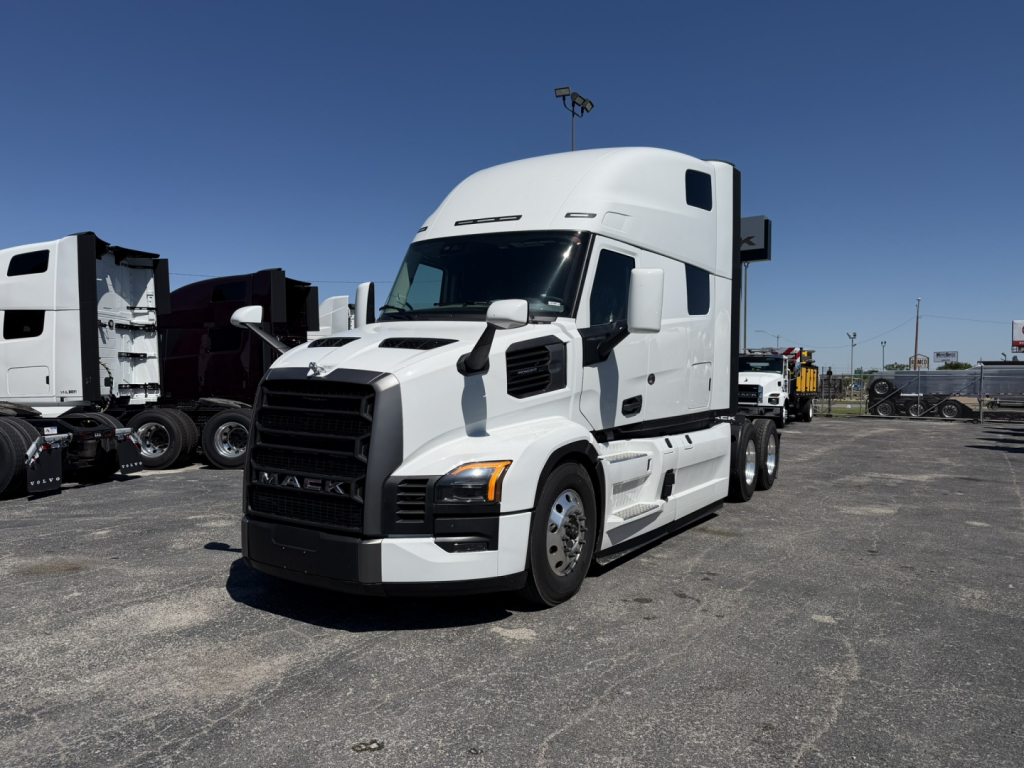
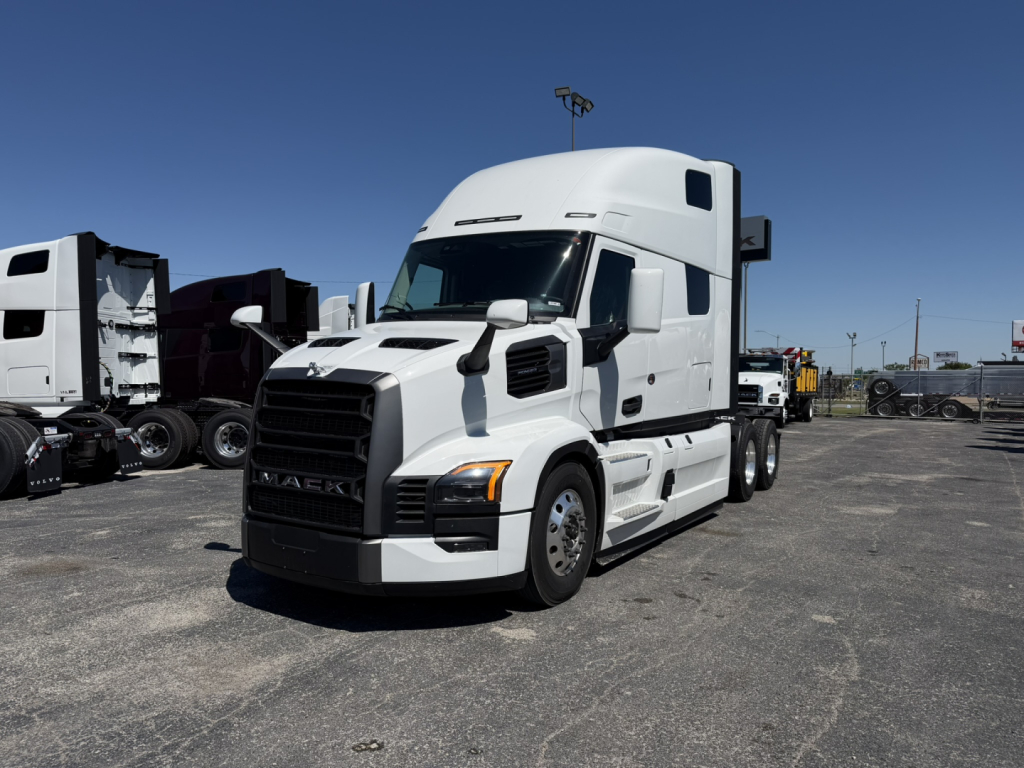
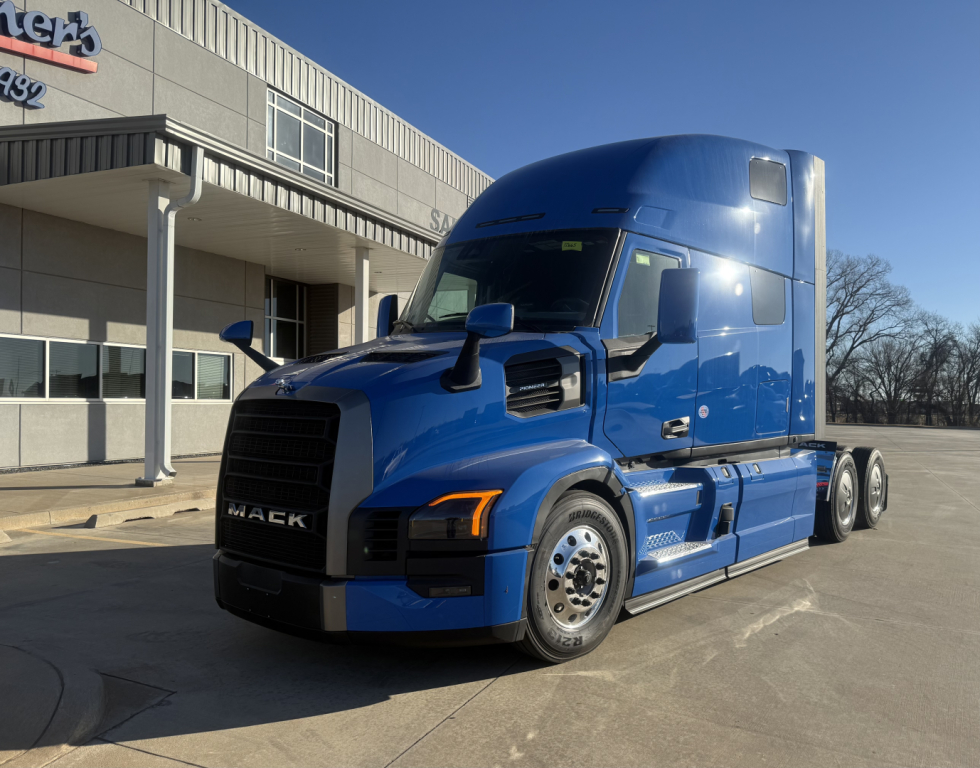
Showing 1 to 12 of 14 results
Have mack conventional sleeper truck to sell? List it here to reach thousands of buyers.
About Mack Conventional Sleeper Trucks in Oklahoma
The core spec decisions usually come down to engine, transmission, axle ratio, and sleeper size. Mack MP8-powered sleepers in the 445 horsepower range are a common choice for balanced fuel economy and broad freight capability, while MP13-equipped trucks push further into heavy long-haul or higher-speed applications where added torque and horsepower can pay off. Mack mDRIVE automated transmissions are common in this segment and are popular with fleets because they reduce driver fatigue, standardize shifting, and work well with downsped rear axle ratios such as 2.79, 2.47, or even lower. A 221-inch to 230-inch wheelbase, 12,000 to 13,200 lb front axle, and 40,000 lb rear axle setup is typical for a highway sleeper tractor designed around van, reefer, and general freight service.
For Oklahoma buyers, gearing and fuel capacity deserve close attention. Trucks running I-35, I-40, and longer Southern Plains lanes often benefit from an efficient overdrive spec with enough tank capacity to stretch fuel stops and stay productive across wide service areas. Air ride rear suspension is standard on many Mack sleeper tractors and helps ride quality, trailer stability, and driver retention. It is also worth checking for practical fleet features such as sliding fifth wheels, roof fairings, chassis fairings, adaptive cruise, lane support systems, and telematics integration. On newer models, factory safety tech and connected diagnostics have become a bigger part of the value equation because they affect insurance, uptime planning, and driver acceptance.
A good Mack conventional sleeper should be evaluated as a total operating package, not just by model year or mileage. Look at sleeper layout, bunk arrangement, aftertreatment history, transmission calibration, rear suspension type, and how the axle ratio matches the lanes you plan to run. Buyers comparing Anthem and Pioneer trucks will notice the same Mack focus on integrated powertrain performance, highway aerodynamics, and durable vocational-grade construction adapted for road use. That combination makes Mack sleeper tractors especially appealing to fleets and owner-operators who want a highway truck with a sturdy chassis, predictable drivability, and a spec that can be tuned for either regional efficiency or full over-the-road service.
Frequently Asked Questions
What engine is most common in Mack conventional sleeper trucks?
The Mack MP8 is one of the most common engines in conventional sleeper applications, especially in highway tractors spec'd for regional and over-the-road freight. It is often found around the 445 horsepower range and paired with an mDRIVE automated transmission for a balanced mix of pulling power, fuel economy, and simplified operation. Higher-output MP13 engines are also used in larger or more aggressively spec'd sleeper trucks where torque, speed management, and heavy long-haul performance are bigger priorities.
Is the Mack mDRIVE a good transmission for sleeper tractors?
Yes. The mDRIVE automated manual transmission is widely used in Mack sleeper trucks because it reduces shift inconsistency, lowers driver fatigue, and integrates closely with Mack engine programming. For fleet buyers, that can mean easier driver onboarding and more consistent fuel economy. For owner-operators, it can provide smoother highway performance and less wear from improper shifting, especially when the truck is spec'd with a downsped rear ratio for linehaul work.
What sleeper size should I look for in a Mack conventional sleeper?
That depends on the length of haul and how the truck will be dispatched. A 70-inch mid-roof sleeper is often a practical choice for regional routes, dedicated freight, and operations that want good aerodynamics without the added height of a full high-roof. A 76-inch high-roof sleeper gives more living space, more storage, and better long-haul comfort for teams or drivers spending extended time on the road. The right decision usually comes down to driver retention, route length, and weight sensitivity.
What axle ratio works best on a Mack highway sleeper truck?
Common Mack highway sleeper ratios such as 2.79, 2.47, or 2.15 are generally selected to match cruise speed, engine rpm targets, and freight type. Lower numerical ratios usually favor fuel economy and downsped highway operation, especially when paired with overdrive transmissions. A buyer should make sure the ratio fits actual lane conditions, trailer weight, and terrain. A fuel-efficient ratio on flat interstate freight may not be the best choice for heavy loads or hillier routes.
What should I inspect on a used Mack conventional sleeper truck?
Focus on the items that affect uptime and operating cost. Review engine hours, aftertreatment service history, fault code activity, transmission behavior, and signs of deferred maintenance. Check the sleeper condition, bunk hardware, HVAC performance, fairings, fifth wheel operation, suspension wear, and tire condition. On Mack models with integrated powertrain components, it is especially important to verify that software updates, emissions components, and drivetrain settings have been maintained correctly because those systems work together as a package.