
Used International Conventional Sleeper Trucks For Sale in California
Shop used International conventional sleeper trucks in California. Compare LT625 specs, sleeper sizes, powertrains, wheelbases, and driver comfort features.
Learn more
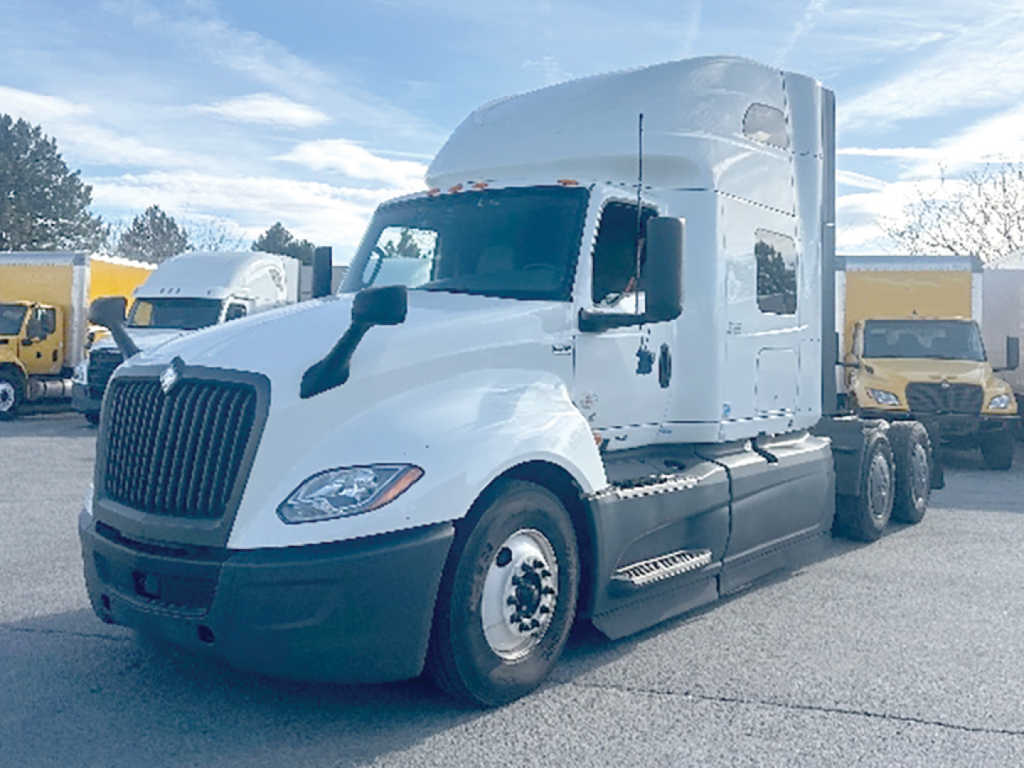
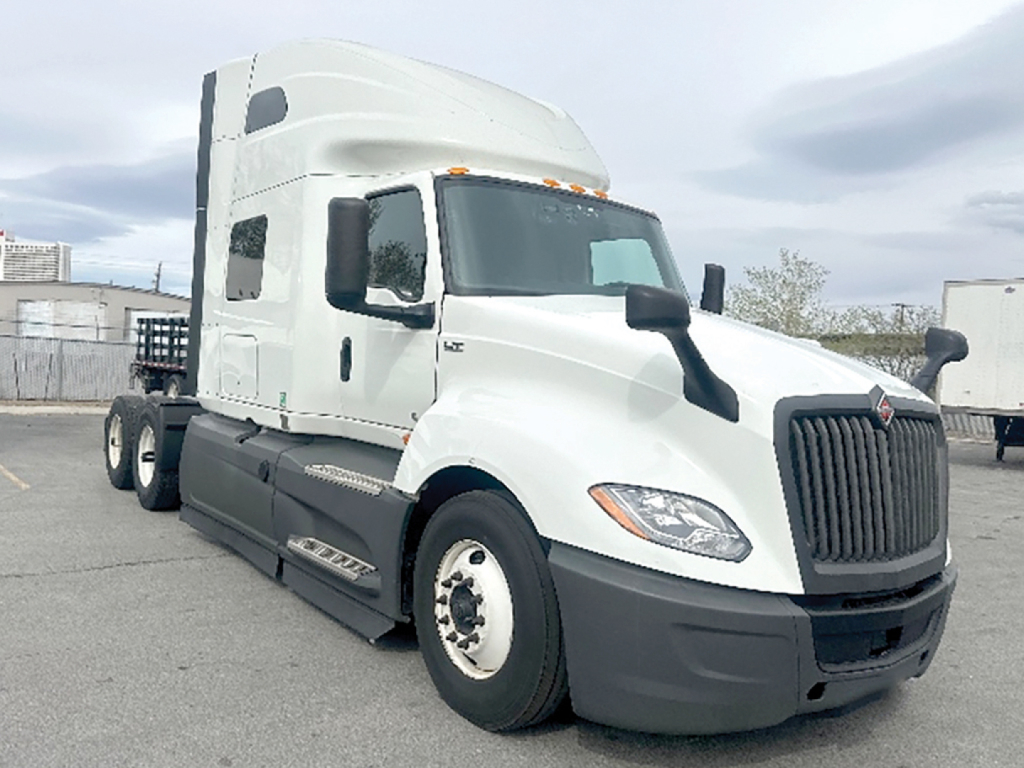
Have used international conventional sleeper truck to sell? List it here to reach thousands of buyers.
About Used International Conventional Sleeper Trucks in California
Powertrain details matter more than trim level on a sleeper tractor. Many used International conventional sleepers are spec'd with the Cummins X15 in the 400 to 450 horsepower range, paired to automated manual transmissions such as the Eaton Endurant family. Rear axle ratings commonly land around 40,000 pounds, with highway-friendly ratios like 2.64 or 2.79 to keep engine rpm down at cruise speed. Wheelbase, fifth wheel style, and fuel capacity should be matched to the trailer mix and lane profile. A 230-inch to 238-inch wheelbase is common on fleet sleeper specs, and an air-slide fifth wheel adds flexibility if kingpin settings vary across your trailer pool.
Sleeper configuration is another major buying point. International conventional sleepers are commonly found with 56-inch hi-rise or 73-inch sky-rise sleepers, and that difference changes how the truck fits team service, extended over-the-road runs, or slip-seat applications. Higher-content sleepers may include upper bunks, bunk heaters, refrigerators, workstations, driver lounge layouts, and upgraded interior trim. For California operators, comfort features and aerodynamic equipment like roof fairings, cab extenders, and side fairings can make a real difference on long interstate routes where fuel burn and driver retention both matter.
A used International sleeper should be evaluated like any linehaul tractor. Review engine hours against miles, confirm transmission calibration and clutch actuation history on AMT-equipped trucks, inspect disc or drum brake condition, and check suspension wear, tire match, and emissions system service records. Safety technology is also worth noting, since many later-model LT sleepers include collision mitigation systems, cruise control integration, and updated driver assist features. If the truck will stay in California or run multi-state western lanes, pay close attention to emissions compliance, gearing, and cooling system condition, especially on trucks expected to pull heavier loads through mountain grades and hot-weather corridors.
Frequently Asked Questions
What engine and transmission combinations are common in used International conventional sleeper trucks?
Many used International conventional sleeper trucks, especially LT625 models, are equipped with the Cummins X15 rated around 400 to 450 horsepower. Automated manual transmissions are very common in this category because they help with fuel economy, driver training, and consistency across fleet operations. Buyers should verify horsepower, torque rating, transmission model, rear axle ratio, and service history together, since those specs determine how the truck performs with heavy gross weights, mountain routes, and typical cruise speeds.
What sleeper size is best in an International conventional sleeper truck?
The right sleeper size depends on the truck's duty cycle. A 56-inch hi-rise sleeper usually fits regional and solo over-the-road work where the truck still needs decent storage and rest space without adding unnecessary length and weight. A 73-inch sky-rise sleeper is better suited to longer runs, teams, or operations that value more living space and amenities like a refrigerator, workstation, or upper bunk. Buyers should compare sleeper size with wheelbase, payload needs, and expected time away from home.
Are International LT sleeper trucks a good fit for California freight operations?
Yes, International LT sleeper trucks are commonly used for California and western regional freight because they are available with aerodynamic specs, efficient highway gearing, and driver comfort features that support longer routes. California buyers should pay close attention to emissions system condition, cooling system health, and spec choices that affect performance in heat and elevation. Trucks used on mixed terrain should have the right horsepower, engine brake performance, and axle ratio for sustained grade pulling, not just flatland fuel economy.
What should I inspect first on a used International sleeper tractor?
Start with the powertrain and operating history. Engine hours, mileage, fault code history, emissions repairs, transmission service records, and axle ratio tell you more than cosmetic condition. After that, inspect the suspension, brake system, tires, fifth wheel, frame, and cab structure. On sleeper models, the bunk HVAC, heater, refrigerator, and electrical accessories also deserve attention because sleeper-related repairs can add up quickly and affect driver satisfaction.
Why do many used International conventional sleepers have air-slide fifth wheels and aerodynamic fairings?
These are practical fleet specs. An air-slide fifth wheel allows the tractor to adjust coupling position for different trailer kingpin settings and axle weight distributions, which is useful in mixed trailer operations. Roof fairings, side fairings, and cab extenders improve airflow between the tractor and trailer, helping reduce drag at highway speed. On a sleeper tractor that spends most of its life on long runs, those details can influence fuel economy, trailer compatibility, and day-to-day operating flexibility.