
International Conventional Sleeper Trucks For Sale in Tennessee
Browse International conventional sleeper trucks for long-haul freight, with specs, sleeper options, powertrain details, and buyer tips.
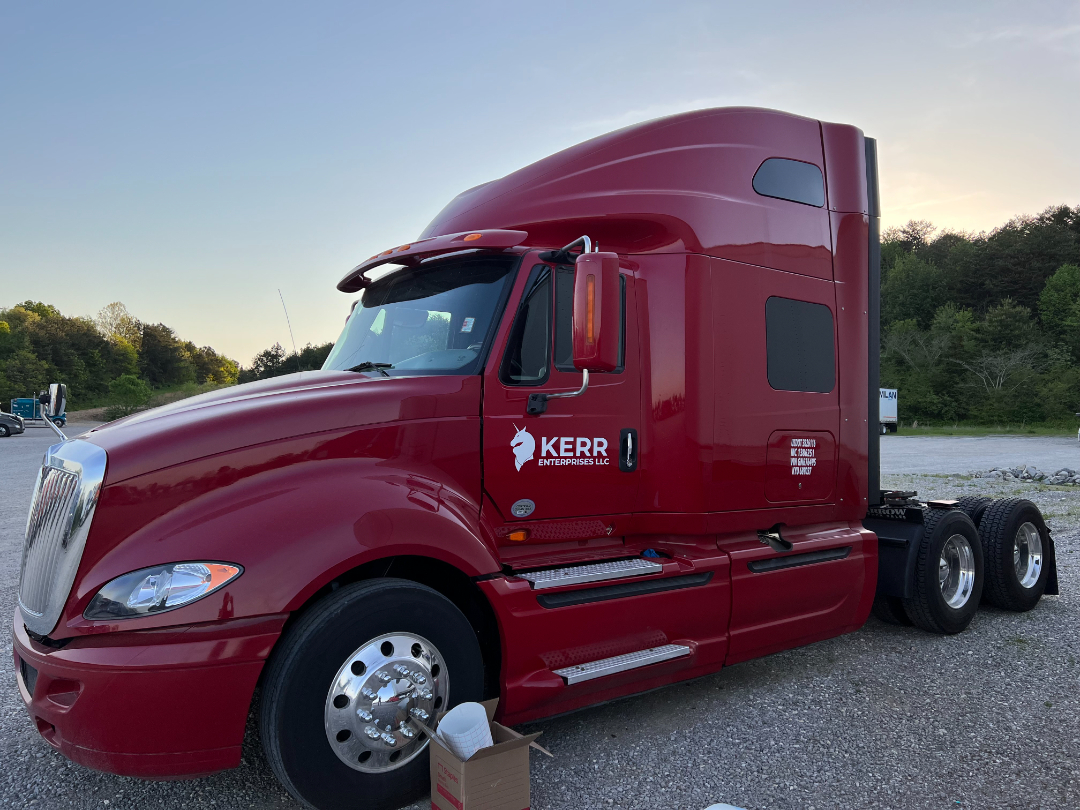
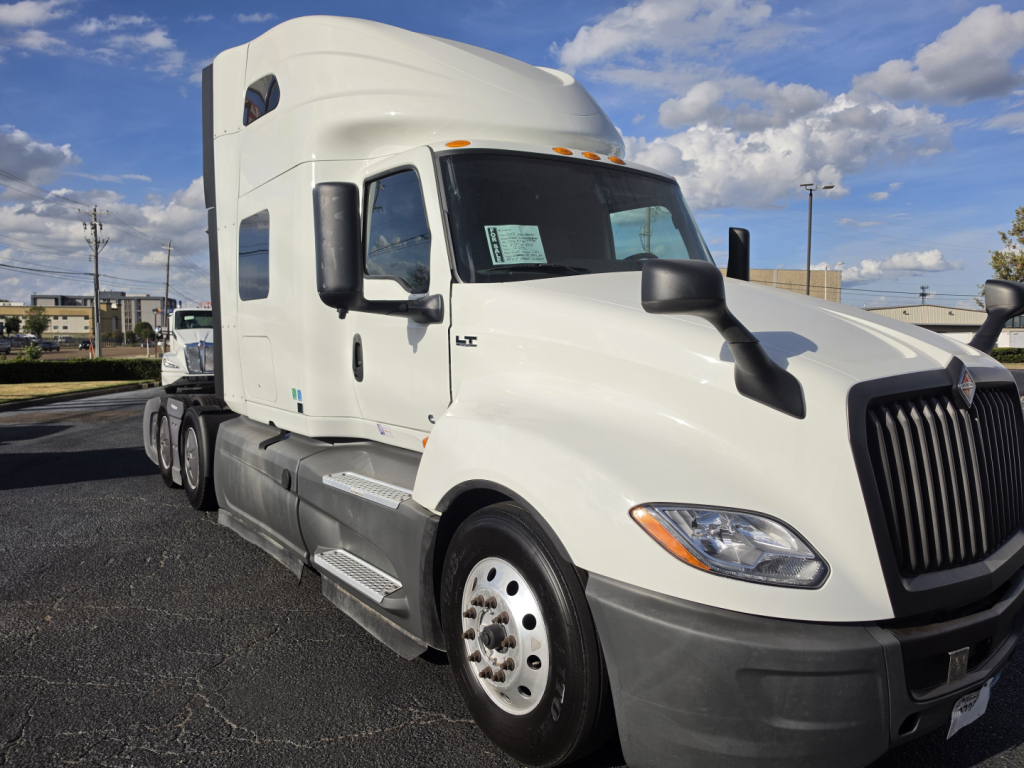
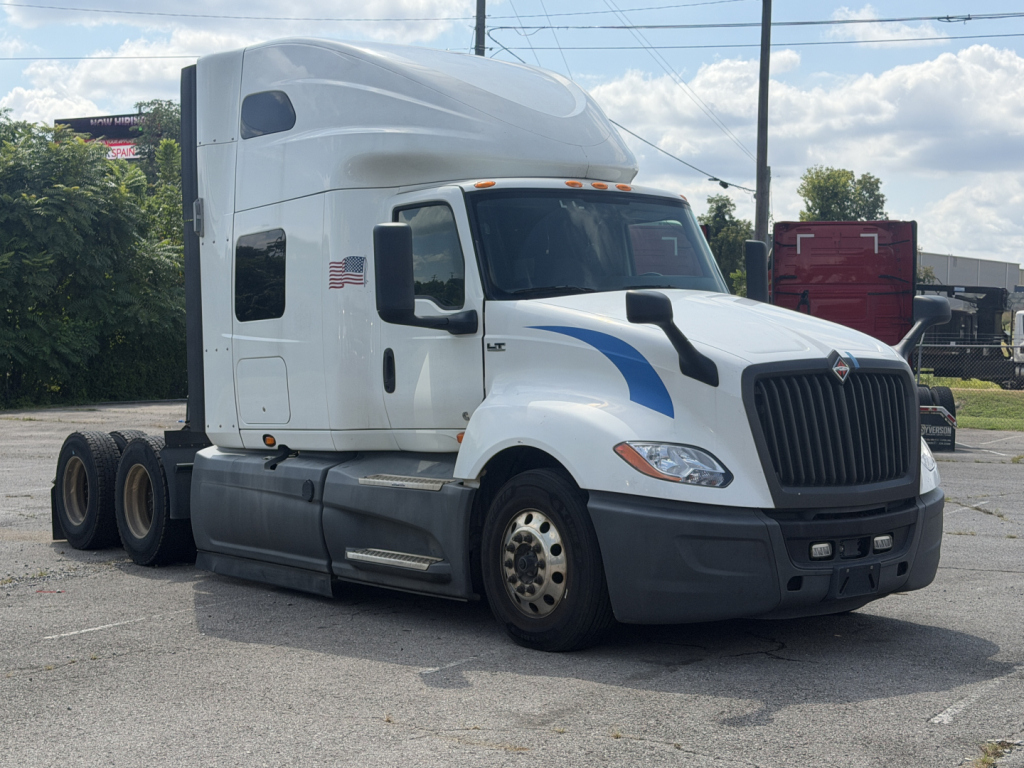
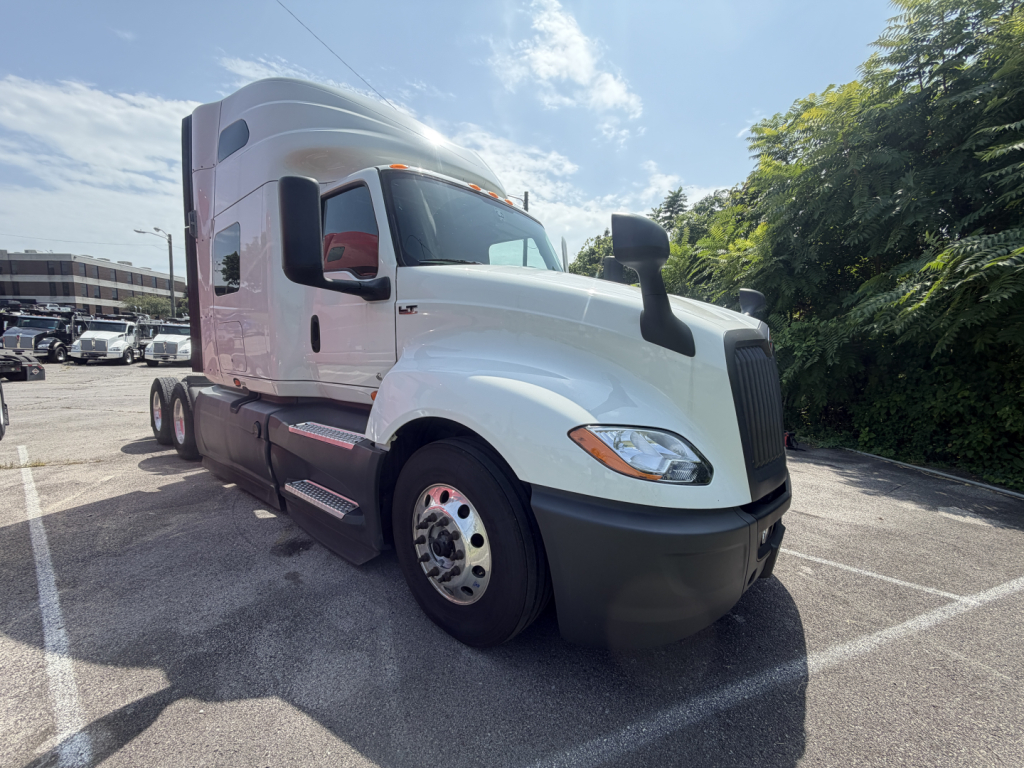
Selling a international conventional sleeper truck? List your international conventional sleeper truck for sale and reach thousands of commercial buyers.
International Conventional Sleeper Trucks in Tennessee
The most important buying decision is usually the powertrain. Many International conventional sleepers on the used market are spec'd with Cummins engines paired to Eaton-Fuller manual or automated transmissions, although some trucks carry International power. For a fleet buyer or owner-operator, the real question is not just horsepower, but how the engine, rear axle ratio, and transmission are matched to the freight. A 10-speed or 13-speed setup may appeal to operators who want familiar serviceability and direct control, while automated manuals are common for fleets focused on driver recruitment and fuel management. Mileage, emissions system history, and documented repairs to EGR, DPF, SCR, or related components are especially important on used highway sleepers.
Sleeper configuration matters because it affects both driver retention and trip profile. Common setups include mid-roof and high-roof sleepers with single or double bunk layouts, along with options such as inverters, refrigerator prep, bunk heaters, and cabinet packages. Air ride suspension, air ride cab, and air ride seats are standard features many buyers expect in this class because ride quality directly affects fatigue on multi-state runs. It also pays to look closely at tire condition, brake life, fairings, hood alignment, fifth wheel wear, and the condition of the interior plastics and bunk area. For trucks that have spent years in linehaul service, these details often tell you as much as the odometer.
International sleepers are often chosen because parts availability is generally strong, the driving position is straightforward, and the chassis can be spec'd for a broad range of van and refrigerated applications. A buyer comparing listings should pay close attention to wheelbase, fuel capacity, tandem axle spec, sleeper size, and maintenance records rather than shopping by model year alone. A well-maintained conventional sleeper with the right engine and transmission combination can be a practical revenue truck for Tennessee freight lanes, especially when uptime, driver comfort, and predictable operating cost are the main priorities.
Frequently Asked Questions about International Conventional Sleeper Trucks in Tennessee
What are the most common International conventional sleeper models on the used market?
The most common International conventional sleeper models are the ProStar and the newer LT Series. The ProStar is widely seen in used long-haul and regional service, while the LT brought updated aerodynamics, interior refinements, and improvements aimed at fuel economy and driver comfort. Both are conventional sleeper tractors designed for highway freight and are commonly spec'd for dry van and reefer work.
What engine and transmission combinations are common in International sleeper trucks?
Many used International conventional sleepers are equipped with Cummins engines and Eaton-Fuller transmissions, including both manual and automated versions. Some units also use International-branded engines depending on year and original fleet spec. The best combination depends on the freight and terrain, but buyers should review horsepower, torque rating, rear axle ratio, and service history together because those factors affect drivability, fuel burn, and long-term operating cost.
What should I inspect first on a used International sleeper truck?
Start with emissions system history, engine repair records, transmission operation, and evidence of regular PM service. After that, inspect tires, brakes, suspension, steering components, fifth wheel wear, frame condition, and signs of body or fairing damage. Inside the cab and sleeper, look at bunk condition, HVAC performance, inverter or APU wiring, and general wear because interior condition often reflects how the truck was treated in service.
Are International conventional sleeper trucks good for regional freight in Tennessee?
Yes. International conventional sleepers are commonly used for regional and over-the-road freight in Tennessee because they are well suited for interstate lanes, distribution work, and dry van or reefer applications. The right spec depends on route length, trailer weight, and home-time expectations, but aerodynamic highway tractors with comfortable sleeper packages are a practical fit for carriers running through Nashville, Memphis, Knoxville, Chattanooga, and surrounding freight markets.
How important is sleeper size when buying a conventional sleeper truck?
Sleeper size matters because it affects driver comfort, storage, and how the truck fits your operating pattern. A smaller sleeper may work for shorter regional overnights, while a larger high-roof double bunk setup is better suited for teams or extended OTR runs. Beyond bunk count, buyers should check headroom, cabinet layout, power inverter setup, and available climate-control features because those details influence usability more than the sleeper label alone.