
International Conventional Sleeper Trucks For Sale in Missouri
Shop International conventional sleeper trucks with specs, cab options, drivetrain details, and highway-focused features for long-haul use.
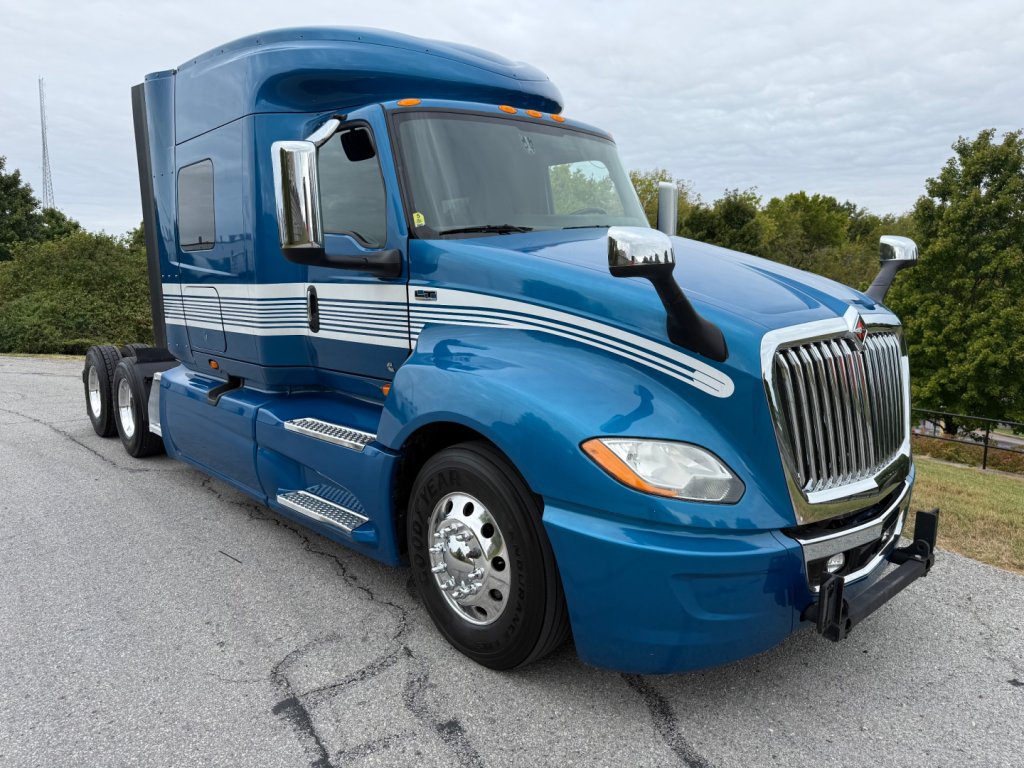
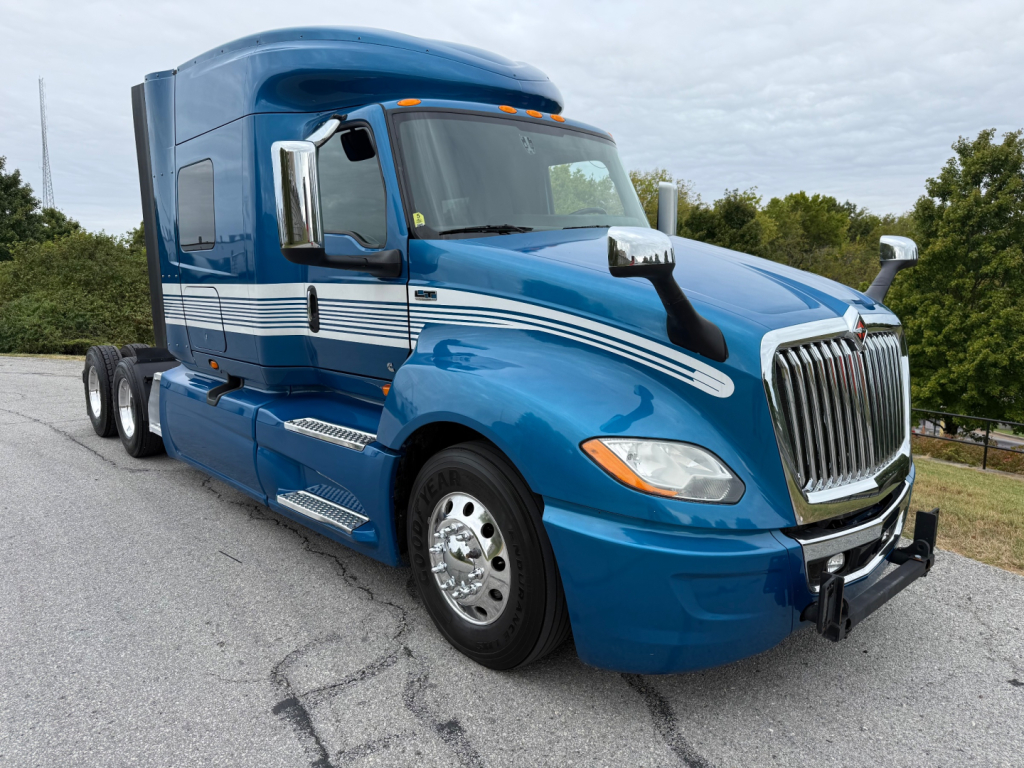
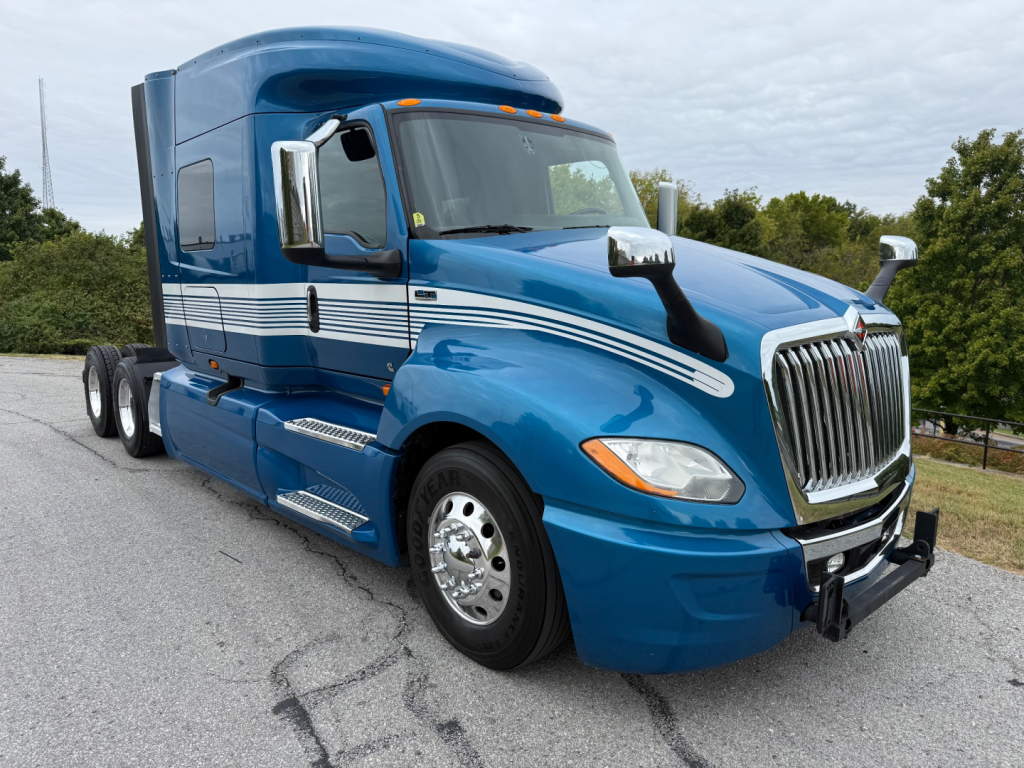
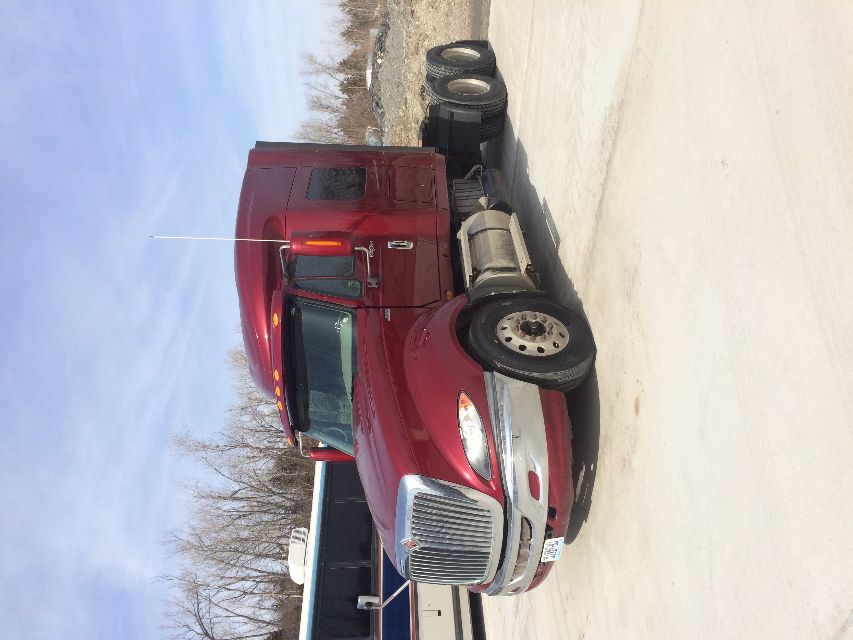
Have international conventional sleeper truck to sell? List it here to reach thousands of buyers.
International Conventional Sleeper Trucks in Missouri
The main buying decision usually starts with the powertrain. Many International sleeper trucks in this class are spec'd with International engines such as the MaxxForce or A26, while others may be paired with Cummins power. Transmission choices commonly include 10-speed and automated manual setups, depending on age and fleet spec. Rear axle ratio, wheelbase, and sleeper length should match the freight profile. A shorter wheelbase can help in tighter docks and urban approaches, while a larger sleeper and taller ratio may make more sense for extended highway runs. Buyers should also pay attention to emissions system history, especially on earlier model years, along with maintenance records for EGR, DPF, SCR components, and any major engine or transmission work.
Cab configuration and driver environment are a big part of value in this category. A conventional sleeper should be evaluated for bunk size, cabinet layout, HVAC performance, air ride cab suspension, seat condition, and everyday controls such as cruise, power windows, heated mirrors, and tilt-telescope steering. Noise level, ride quality, and insulation matter on multi-day trips. On used units, check for wear in the bunk area, signs of water intrusion, dash faults, and the condition of fairings, hood, and door seals. Tire condition, suspension type, brake spec, and fifth wheel setup also affect how well the truck fits your operation.
For Missouri-based buyers, practical considerations include interstate gearing, cold-weather starting, and compliance readiness for both intrastate and multi-state operation. International conventional sleepers are widely supported through dealer and independent service networks, which can help with uptime and parts sourcing. A well-matched spec can serve owner-operators and small fleets looking for a highway tractor that is straightforward to maintain, comfortable enough for overnight work, and configured for the trailer types and lane lengths they actually run.
Frequently Asked Questions about International Conventional Sleeper Trucks in Missouri
What is the most important thing to check on a used International conventional sleeper truck?
The powertrain and emissions history should be reviewed first. On used International sleeper trucks, service records for the engine, transmission, DPF, SCR, EGR system, and any fault-code repairs are critical because they directly affect uptime and operating cost. Buyers should also confirm mileage, idle hours, clutch condition on manual transmissions, and evidence of regular preventive maintenance.
Which International sleeper models are most common in this category?
The most common International conventional sleeper trucks on the used market are the ProStar and the newer LT-series. The ProStar is well known as an aerodynamic highway tractor with a wide presence in fleet resale channels, while the LT-series reflects a more updated design with improved driver comfort, refinement, and efficiency-focused features. Exact specs vary widely by original fleet order.
Is a 10-speed transmission a good choice for an International sleeper truck?
A 10-speed manual can be a solid choice for highway freight because it is familiar, widely serviceable, and often less expensive to maintain than more complex automated systems. It works well in dry van, reefer, and general freight applications where drivers want direct gear control. The right transmission still depends on route profile, driver preference, and how the truck is being dispatched.
What sleeper size should a buyer look for in a conventional sleeper truck?
The right sleeper size depends on trip length and driver expectations. A smaller sleeper can be adequate for regional lanes with occasional overnight stays, while a larger sleeper is better for extended over-the-road work where storage, bunk comfort, and living space matter more. Buyers should compare bunk layout, cabinet space, HVAC performance, and ease of cab access, not just the sleeper measurement alone.