
International Conventional Sleeper Trucks For Sale in Kentucky
Shop International conventional sleeper trucks with common specs, sleeper sizes, drivetrain options, and long-haul applications buyers compare.
Learn more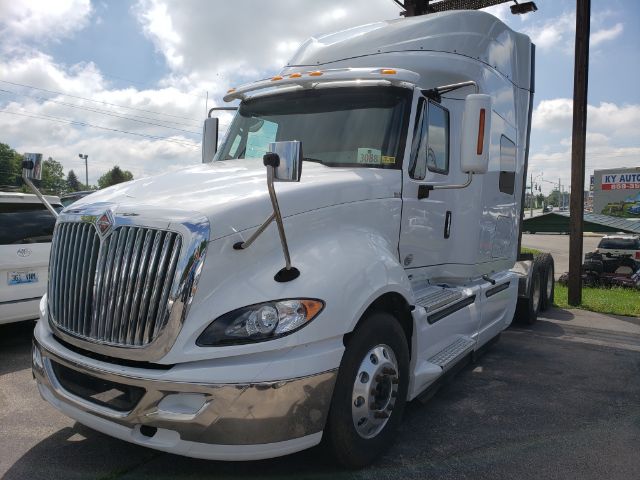
Have international conventional sleeper truck to sell? List it here to reach thousands of buyers.
About International Conventional Sleeper Trucks in Kentucky
A typical International sleeper tractor in this class is a tandem axle daycab-to-sleeper conversion or a factory sleeper with a mid-roof or raised-roof configuration, often with 56-inch to 73-inch sleeper options. Common power includes Cummins ISX and X15 engines, along with International's in-house A26 in newer trucks. Horsepower often falls in the 400 to 500 HP range, with manual 10-speed and automated manual transmissions both widely available. Wheelbases around the low- to mid-220-inch range are common, and rear axle ratios such as 3.08, 3.25, or 3.36 are frequently chosen to balance cruise RPM and fuel mileage. Air ride suspension, engine brakes, aluminum wheels, and dual fuel tanks are also typical specs buyers look for in a long-haul sleeper tractor.
The main buying decision is matching the truck to the lane. A lighter, more aerodynamic spec with a taller rear ratio can make sense for van freight on interstate routes through Kentucky and the surrounding Midwest, where fuel economy and steady cruise speed matter. A heavier spec with more horsepower, a shorter ratio, and stronger vocational tolerance may be better for mixed freight, hill country, or heavier reefer work. Sleeper layout matters too. A 72-inch sleeper gives a driver more storage and rest space for extended trips, while a smaller bunk can reduce weight and keep the truck in a simpler fleet spec. Service records, ECM history, DPF and SCR maintenance, clutch life, tire condition, and brake wear should all be reviewed closely on used International sleeper trucks.
International has remained a popular choice in this category because parts support is broad, the cab is familiar to many drivers, and the trucks are often spec'd for cost-conscious fleet operation. For a buyer, that means there are usually good comparisons available across mileage bands and drivetrain combinations. Pay attention to emissions system age, idle hours, and whether the truck was fleet maintained or owner-operated. On a conventional sleeper, those details often tell you more about future reliability than paint, trim, or odometer reading alone.
Frequently Asked Questions
What engines are common in International conventional sleeper trucks?
International conventional sleeper trucks are commonly equipped with Cummins ISX or X15 engines in many used long-haul specs, while newer units may also carry the International A26. The best choice depends on your maintenance preference, local dealer support, horsepower target, and familiarity with the emissions system. Buyers should verify engine serial information, horsepower rating, ECM history, and major aftertreatment service records before comparing trucks only by mileage.
What sleeper size is typical on an International over-the-road tractor?
Sleeper sizes commonly range from about 56 inches to 73 inches, with 72-inch sleepers especially common on long-haul tractors. Larger sleepers provide more storage, better driver comfort, and a more practical setup for multi-day runs. Smaller sleepers can reduce tare weight and simplify the spec for regional or dedicated operations where the driver does not spend as much time in the bunk.
Is an International ProStar a good choice for fuel-efficient highway freight?
The ProStar is widely known as an aerodynamic highway tractor and is often selected for van, reefer, and general freight applications where fuel economy matters. A truck with the right rear axle ratio, proper tire spec, and a highway-oriented engine and transmission package can be a solid fit for interstate lanes. Buyers should still look beyond the model name and confirm the exact drivetrain, emissions history, and maintenance records, because those details determine real-world operating cost.
What should I inspect first on a used International sleeper truck?
Start with the ECM report, engine hours, idle hours, aftertreatment history, and any records related to the DPF, SCR, EGR, and injector system. Then review clutch condition, transmission operation, differential noise, suspension wear, brake life, tire age, and signs of frame or cab corrosion. On sleeper tractors, it is also worth checking bunk HVAC, seals, cabinets, and electrical accessories, since sleeper repairs can add up quickly even when the drivetrain is sound.
What axle ratio works best for an International conventional sleeper?
Common highway ratios such as 3.08, 3.25, and 3.36 are often used on International sleeper tractors, but the right ratio depends on your load profile, terrain, cruise speed, and transmission setup. Lower numerical ratios usually favor fuel economy and lower engine RPM at highway speed, while higher numerical ratios can improve startability and pulling performance in heavier or hillier work. The ratio should be evaluated together with tire size, horsepower, torque rating, and transmission gearing rather than as a standalone spec.