
Used Freightliner Conventional Sleeper Trucks For Sale in Georgia
Find used Freightliner conventional sleeper trucks in Georgia with specs balancing tare weight, thermal integrity, corrosion resistance, and uptime
Learn more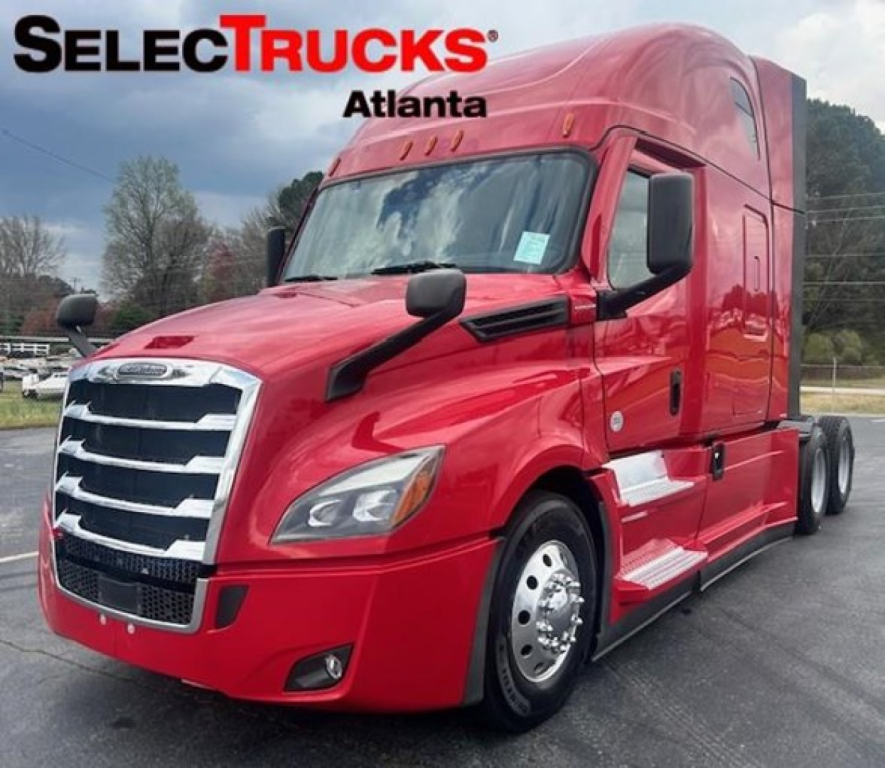
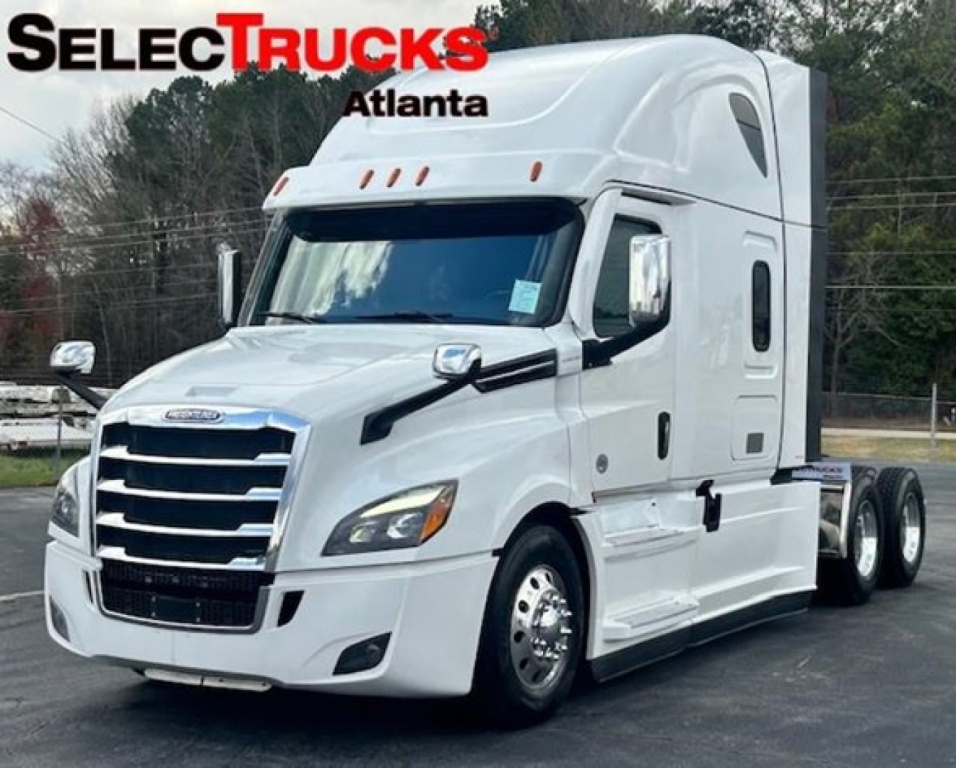
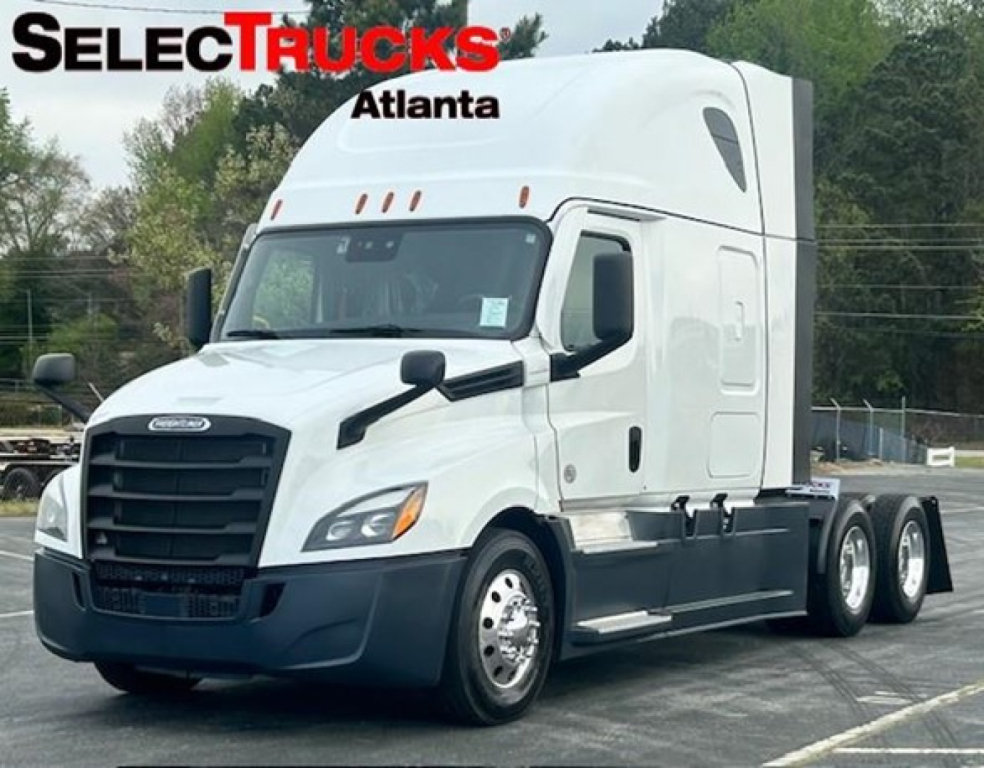
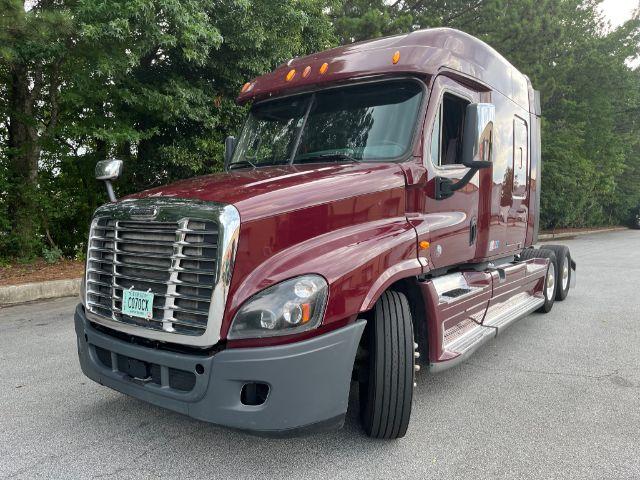
Showing 37 to 40 of 40 results
Have used freightliner conventional sleeper truck to sell? List it here to reach thousands of buyers.
About Used Freightliner Conventional Sleeper Trucks in Georgia
Tare weight drives fuel cost and payload flexibility. A typical 6x4 Cascadia with mid-roof sleeper, aluminum wheels, single 150 gallon tank, and fairings often scales in the 18,500 to 19,500 pound range, a 6x2 or tag configuration can reduce this by 400 to 800 pounds, while a full raised-roof double bunk with APU can add 300 to 600 pounds. Lightweight specs such as aluminum hubs, wide-base singles, and disc brakes trim hundreds of pounds, trade-offs include tire selection, traction in wet clay yards, and parts commonality. Verify rear axle ratings and suspension capacity to keep the truck within Georgia and federal 80,000 pound limits without overloading a single axle.
Thermal integrity is critical in Georgia heat and humidity. Cascadia sleepers with the insulation package, tight door and bunk seals, and well-routed HVAC lines hold temperature better, which reduces idle time and protects electronics. Diesel-fired bunk heaters, battery HVAC systems, and APUs cut idle and save fuel, but each adds weight and demands maintenance; inspect evaporators, condenser fins, and APU mounts for vibration wear. Good thermal management also helps aftertreatment, consistent exhaust temperature supports passive DPF regeneration, which reduces forced regens and downtime in stop‑and‑go Atlanta corridors.
Floor strength and corrosion resistance affect how the truck ages. Look for cabs with solid subfloors and intact seat pedestal mounts, sleeper floors should not flex under cabinetry or fridge bases. Chassis frames in this class are typically 120,000 to 260,000 PSI yield, crossmember integrity and fifth wheel mounting surfaces are more important than raw rating, a straight rail with tight fasteners tracks true and reduces driveline wear. Freightliner’s aluminum cabs and composite hoods resist rust, and e‑coat frames delay corrosion, yet humid coastal air near Savannah and road salts from occasional winter treatments can still attack frame flanges, battery boxes, aftertreatment brackets, and cab steps; zinc‑rich coatings, stainless hardware, and sealed electrical connectors help the truck stay clean and reliable over a long Georgia service life.
Frequently Asked Questions
What tare weight should I expect from a used Freightliner conventional sleeper and how can I reduce it responsibly?
Most mid-roof 6x4 Freightliner sleepers scale between 18,500 and 19,500 pounds with aluminum wheels and fairings, raised roofs and APUs add several hundred pounds. Sensible reductions include aluminum hubs, a single large fuel tank instead of duals where range allows, wide-base singles if your routes and yards support them, and disc brakes. Moving to a 6x2 layout can save additional weight but may reduce traction on wet grass or clay yards, so match the configuration to your lanes and dock surfaces.
How do I evaluate the thermal integrity of a used Cascadia sleeper for Georgia conditions?
Check door and sleeper hatch seals for elasticity and uniform contact, inspect insulation coverage behind panels if accessible, and confirm HVAC performance at idle and cruise. An APU or battery HVAC system should hold bunk temperature without excessive cycling in 90 degree heat, condenser and evaporator cores should be clean, and ducts should deliver balanced airflow to the upper and lower bunk. Good thermal integrity reduces idle time, improves driver rest, and supports consistent aftertreatment temperatures for fewer DPF regens.
Which engine and transmission pairings are most efficient for Georgia routes that mix interstate and urban traffic?
Detroit DD15 with the DT12 automated transmission and rears in the 2.28 to 2.64 range is a proven downspeeding setup for interstate segments, delivering strong fuel economy at 60 to 68 mph. For mixed city work or rolling terrain in northwest Georgia, a slightly shorter ratio such as 2.85 to 3.08 can sharpen launch and gradeability with a modest fuel penalty. Comparable Cummins X15 with Eaton UltraShift Plus offers similar results, reliability depends on calibration, maintenance history, and cooling package health.
How does corrosion present on used Freightliner sleepers in the Southeast and what materials resist it best?
Southeast trucks avoid the deep rust of the snow belt, but humidity and coastal air can corrode steel brackets, fasteners, and exposed frame edges. Freightliner’s aluminum cabs and composite hoods resist body rust, and e‑coated frames slow undercarriage corrosion. Prioritize trucks with intact paint on frame flanges, stainless or treated aftertreatment clamps, sealed harness connectors, and solid battery boxes. Surface rust is common and manageable, scaling or delamination around crossmembers or suspension hangers is a red flag.
What should I consider about axle configuration and wheelbase for Georgia weight and bridge compliance?
A 6x4 with a 230 to 244 inch wheelbase balances ride and maneuverability while providing room for fairings and tanks. Ensure the fifth wheel slide offers enough travel to keep steer and drive axles legal when pulling 53 foot trailers with a 41 foot kingpin to rear axle limit. A 6x2 can shave weight and improve fuel economy on highway lanes, but verify traction needs for rain and soft yards, and confirm rear axle and suspension ratings align with your freight and Georgia’s 80,000 pound limit.