
Used Freightliner Conventional Sleeper Trucks For Sale in California
Used Freightliner conventional sleeper trucks in California. Compare Cascadia specs, DD15 or X15 power, DT12 or UltraShift, CARB-compliant options.
Learn more
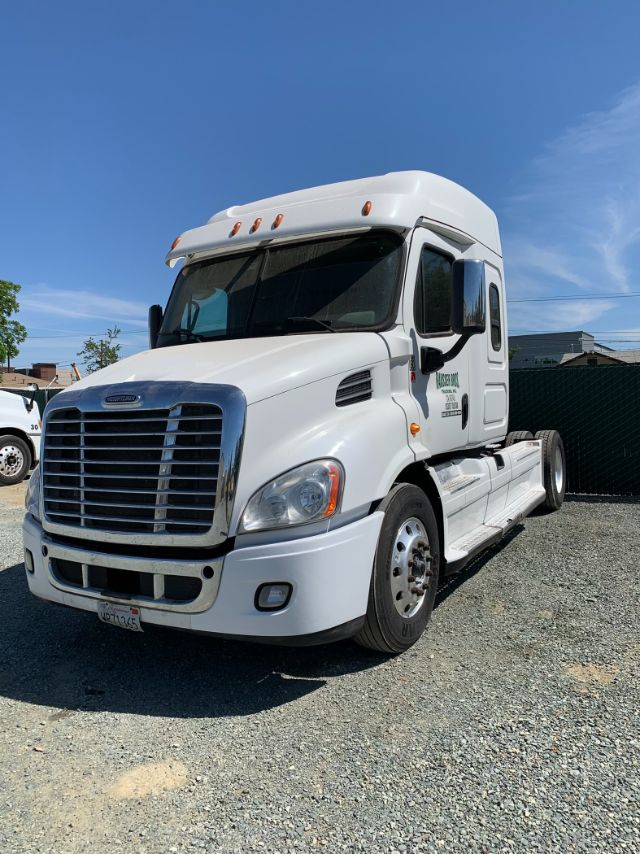
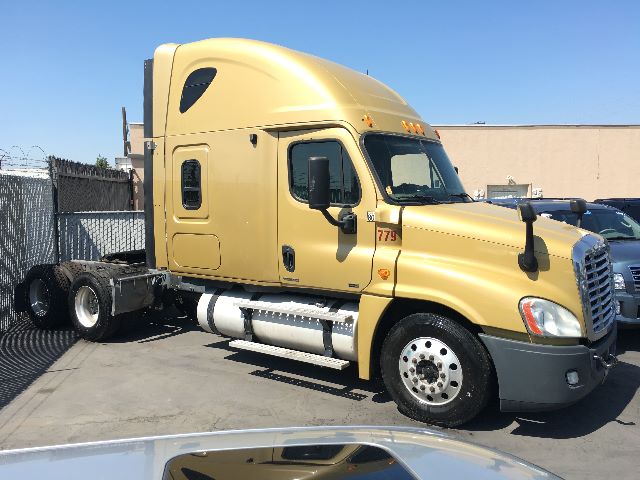
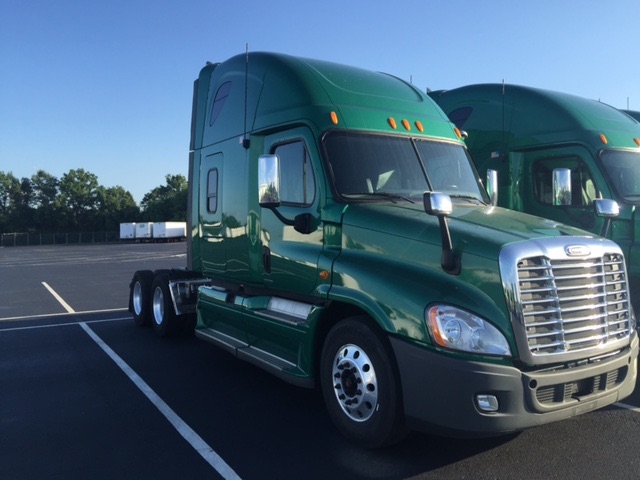
Showing 25 to 29 of 29 results
Have used freightliner conventional sleeper truck to sell? List it here to reach thousands of buyers.
About Used Freightliner Conventional Sleeper Trucks in California
Sleeper configuration drives comfort and resale. Freightliner offers mid-roof and raised-roof sleepers in 60, 72, and 76 inch sizes, with single or double bunk, factory inverters, battery HVAC or APU, Optimized Idle, and ample storage. Aero packages with full chassis skirts, roof fairings, and cab extenders help on long I-5 and I-80 runs and support SmartWay and California GHG requirements when pulling box-type trailers with low rolling resistance tires. Wheelbase in the 220 to 240 inch range balances ride quality with maneuverability in tight urban delivery points; shorter wheelbases help in Bay Area and LA basin traffic, while longer units ride smoother for high-mile linehaul. Axle ratios from 2.28 to 2.64 match downsped DD15 or X15 setups for fuel economy, while 3.08 to 3.36 ratios suit mixed terrain or heavy GCWs in mountain corridors.
Chassis and braking choices matter in California traffic. Many Cascadias use Freightliner AirLiner air-ride with 40K or 46K rears and 12K to 14.6K steer axles. Disc brakes shorten stopping distances on steep grades and reduce fade compared to drums. Safety tech like Detroit Assurance, adaptive cruise, collision mitigation, lane departure, and stability control reduces risk and can lower insurance costs. Consider 6x2 vs 6x4. A 6x2 saves weight and fuel, but a 6x4 with full lockers has better traction on wet port lots and mountain launches; wide-base singles add efficiency but duals offer flexibility and easier roadside service.
Buying used, documentation is everything. Pull ECM miles and idle hours, review oil analysis, and look for records of EGR cooler, turbo, DOC and DPF service. Inspect for coolant intrusion and charge air cooler leaks, check clutch wear on manuals or AMT clutches, and confirm the fifth wheel height and slider travel match your trailer fleet. Evaluate fuel tank capacity, typically 100 to 150 gallons per side, for non-stop legs between Bakersfield and Sacramento or LA to Phoenix. For drivers sleeping in hotter Central Valley summers, battery HVAC runtime, APU maintenance history, and the Clean Idle label can make or break comfort and compliance. A loaded road test on a sustained grade similar to the Grapevine will quickly reveal cooling and aftertreatment performance.
Frequently Asked Questions
Which Freightliner sleeper models are most common on the used market in California?
The Freightliner Cascadia and Cascadia Evolution dominate listings, often with DD13 or DD15 engines. You will also see Coronado and older Columbia or Century Class tractors, typically with Detroit Series 60 or Cummins ISX. For California compliance and better fuel economy, most buyers target 2014 to 2019 Cascadias with DD15 and DT12 or Cummins ISX15 and Eaton UltraShift Plus.
What should I check for California CARB compliance on a used Freightliner sleeper?
Confirm the engine model year is 2010 or newer by checking the emissions label under the hood. Look for a CARB Clean Idle sticker on the door jamb, and verify the aftertreatment system is intact with current DPF service, working DEF system, and no stored NOx or SCR faults. If you pull box-type trailers, confirm SmartWay-style aero and low rolling resistance tires to satisfy California GHG requirements.
DT12 or Eaton UltraShift Plus, which is better for California routes?
Both are proven. The DT12 integrates tightly with Detroit engines for predictive shifting, eCoast, and downspeeding, which helps on long I-5 runs. Eaton UltraShift Plus pairs well with Cummins for heavy loads and steep grades. Choice often comes down to your engine brand, driver preference, service network, and whether you prioritize maximum fuel economy or grade performance under heavy GCW.
What axle ratio works best for California mountains and mixed duty?
For pure linehaul at legal weights, downsped setups with 2.28 to 2.64 ratios and tall overdrive transmissions return excellent fuel economy. If you regularly pull heavy up the Grapevine or Donner, consider 2.85 to 3.36 ratios to keep the engine in its torque band on climbs and reduce shift hunting. Match the ratio to your tire size, transmission top gear, and cruise speed.
What sleeper size should I choose for single vs team operations?
Solo regional drivers often do well with a 60 inch mid-roof for weight and cost savings, especially if hauling flat or tanker. Long-haul solo or team operations typically prefer 72 or 76 inch raised-roof sleepers for added storage, double bunks, and space for a fridge, inverter, and APU or battery HVAC, which is valuable in California’s heat and under idle restrictions.