
Freightliner Conventional Sleeper Trucks For Sale in Nevada
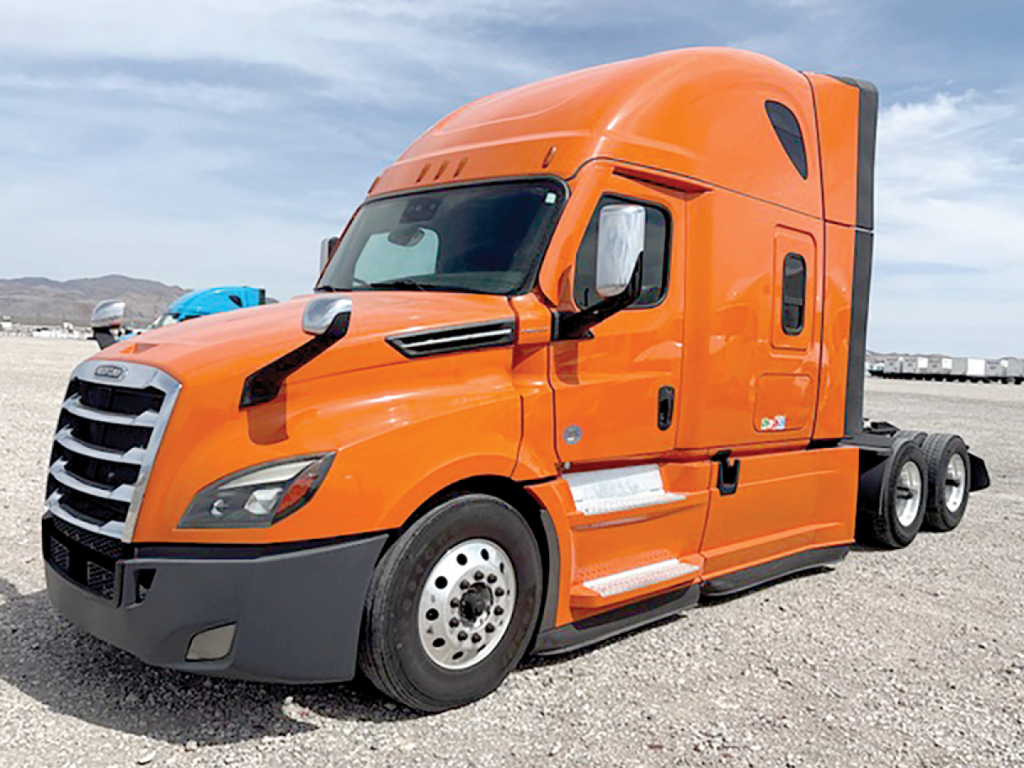
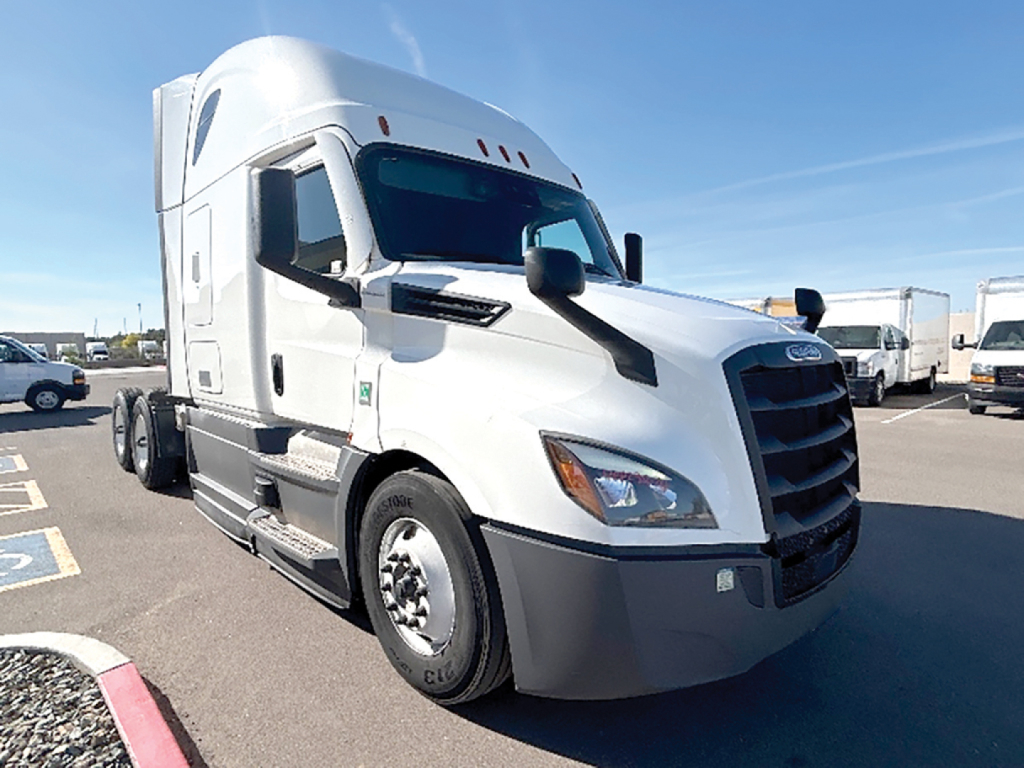
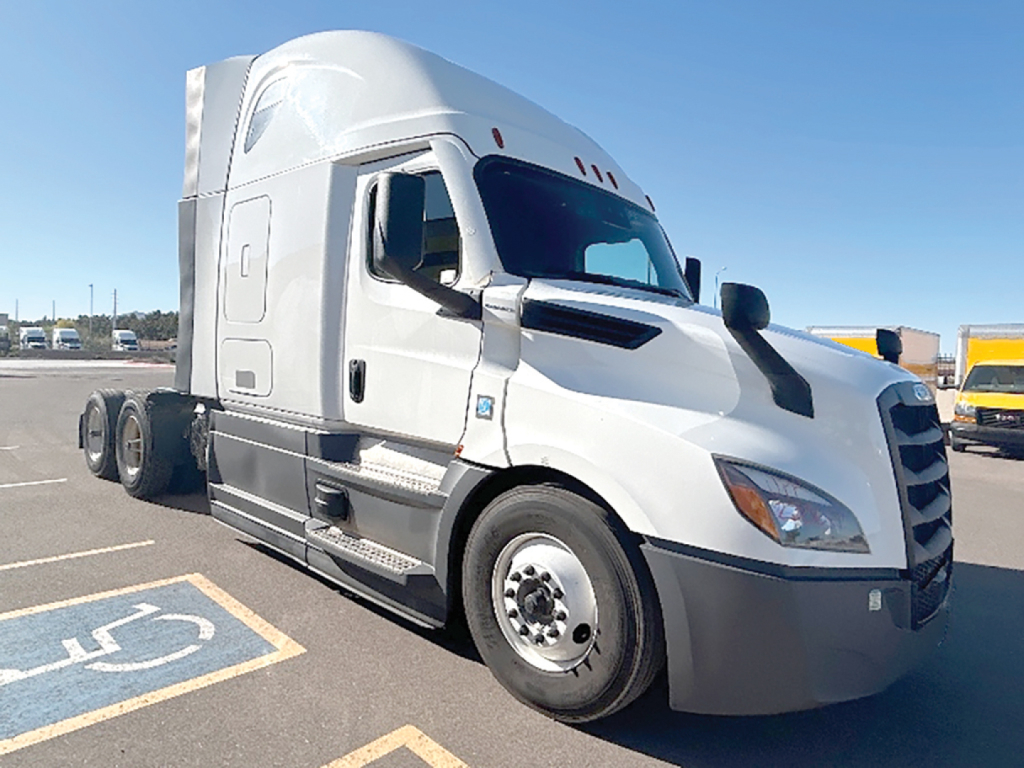
Shop Freightliner conventional sleeper trucks for sale in Nevada. Compare Cascadia specs, sleeper sizes, engines, wheelbase, and drivetrain options.
Learn more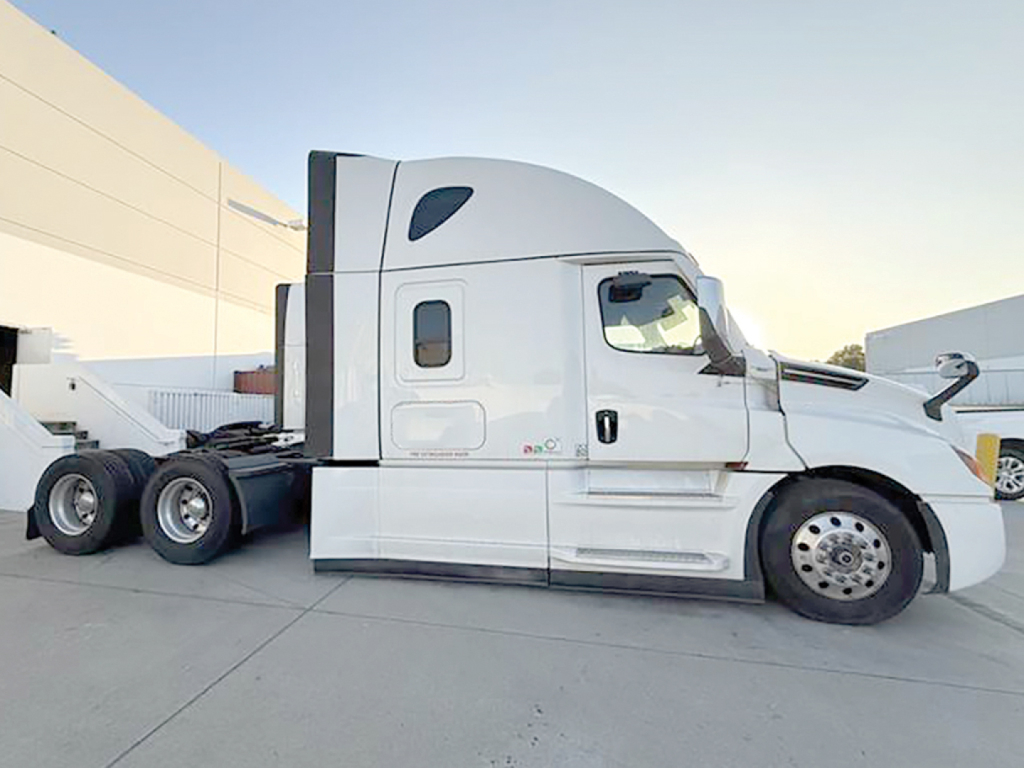

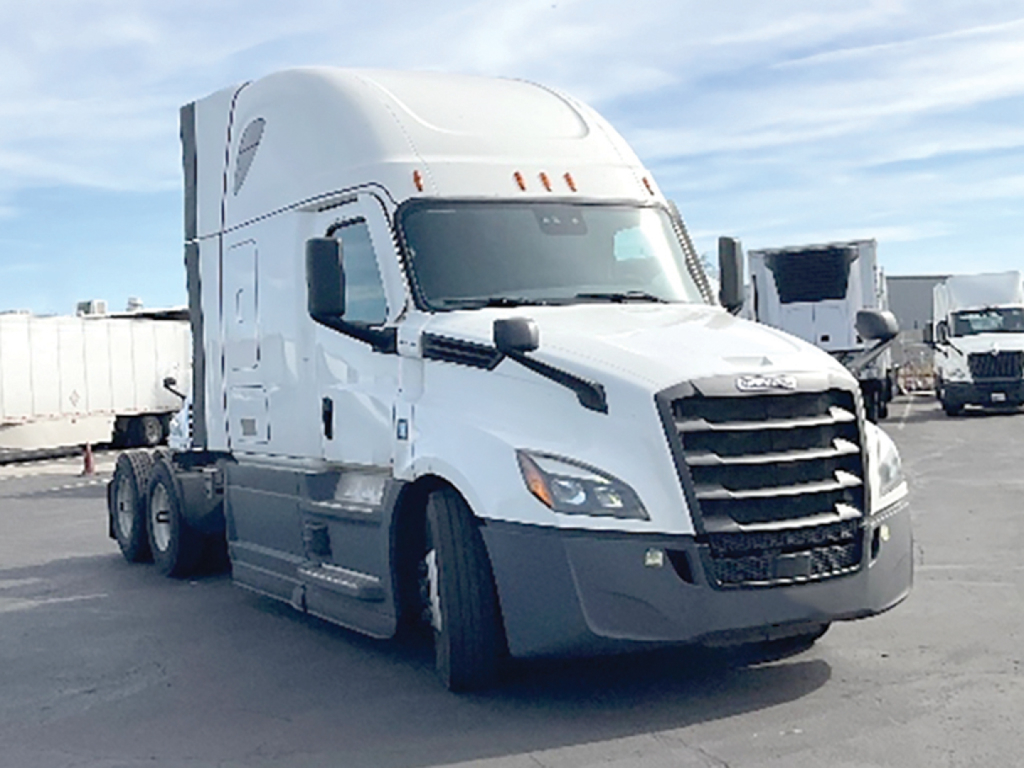
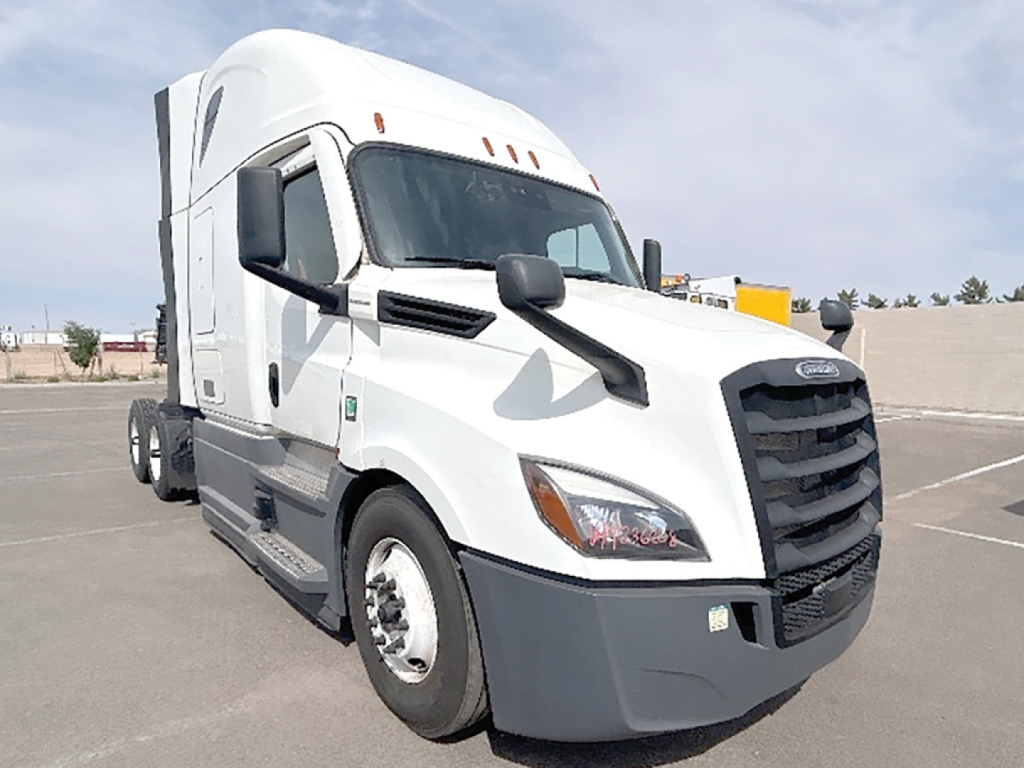
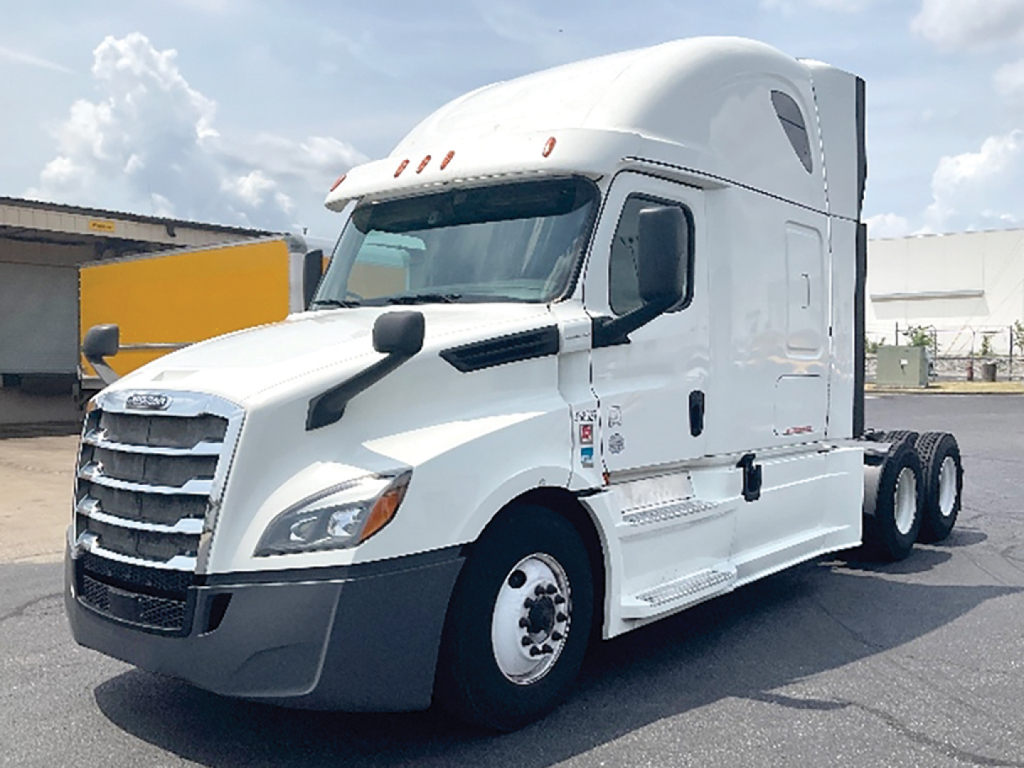
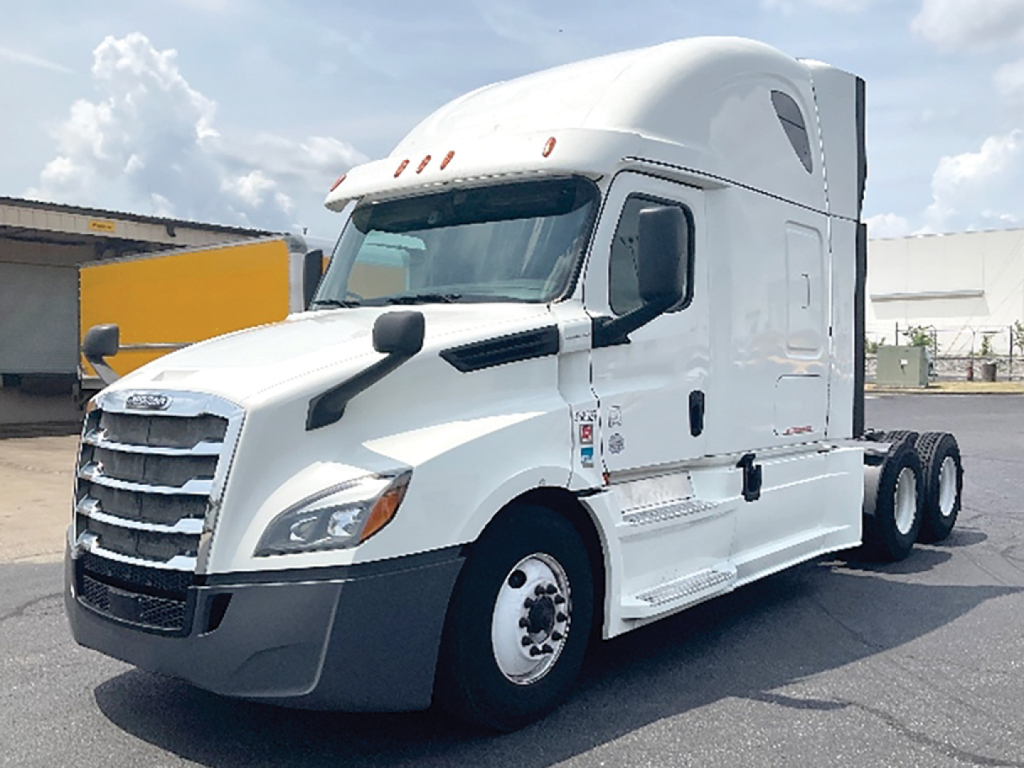
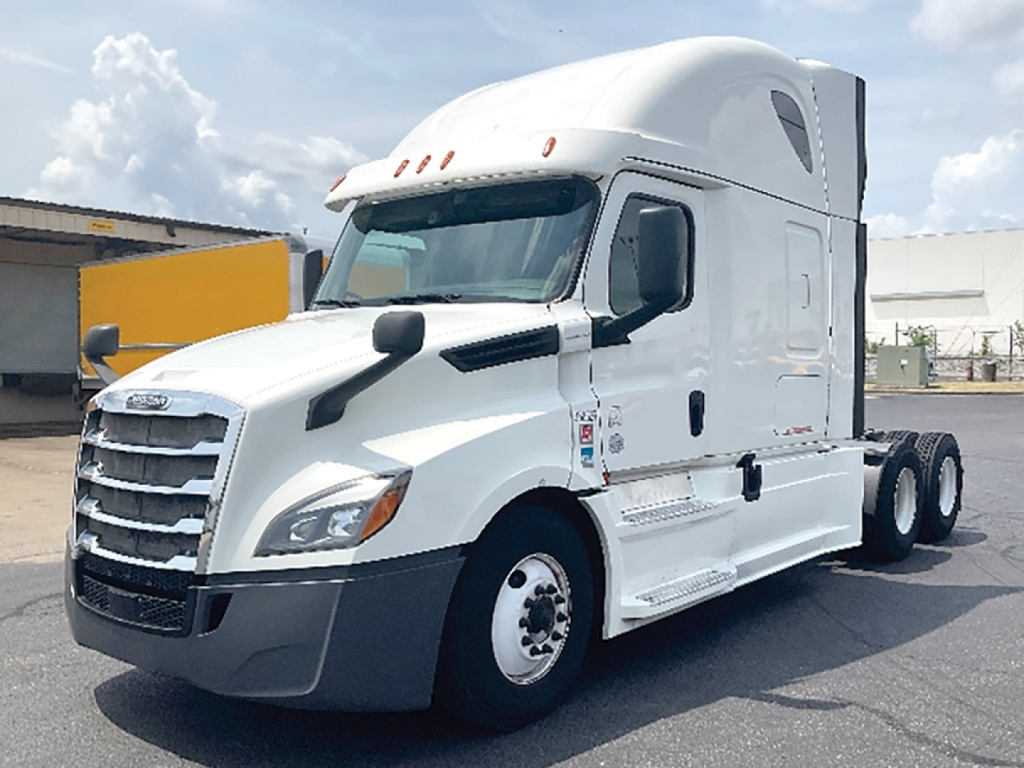
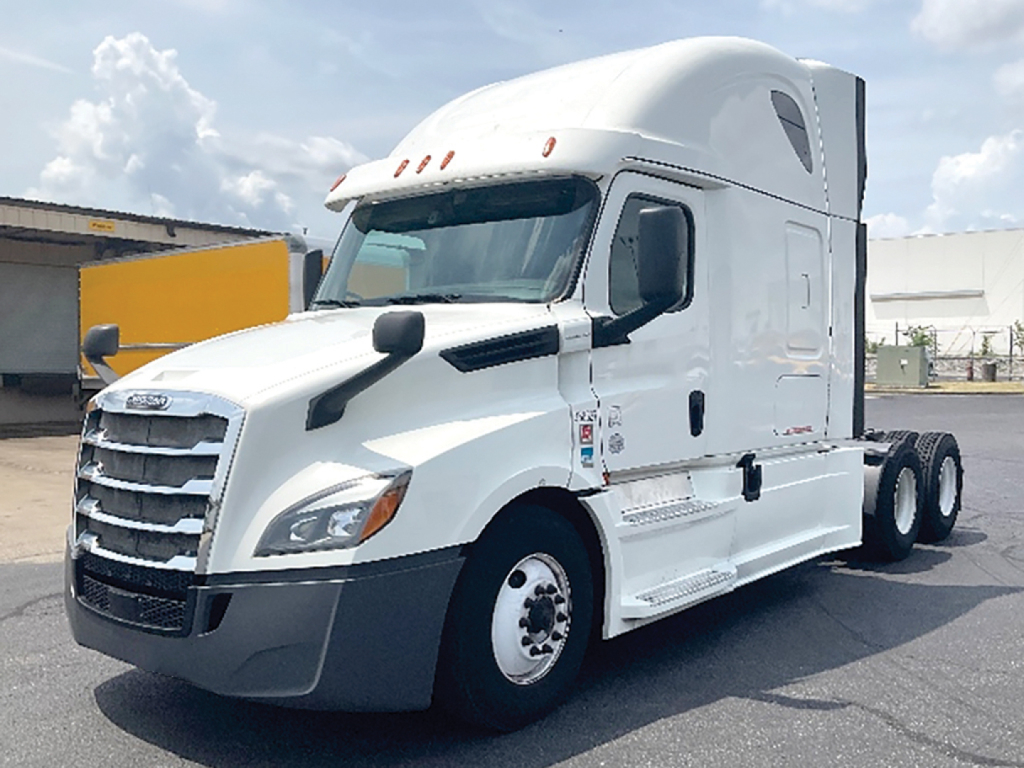
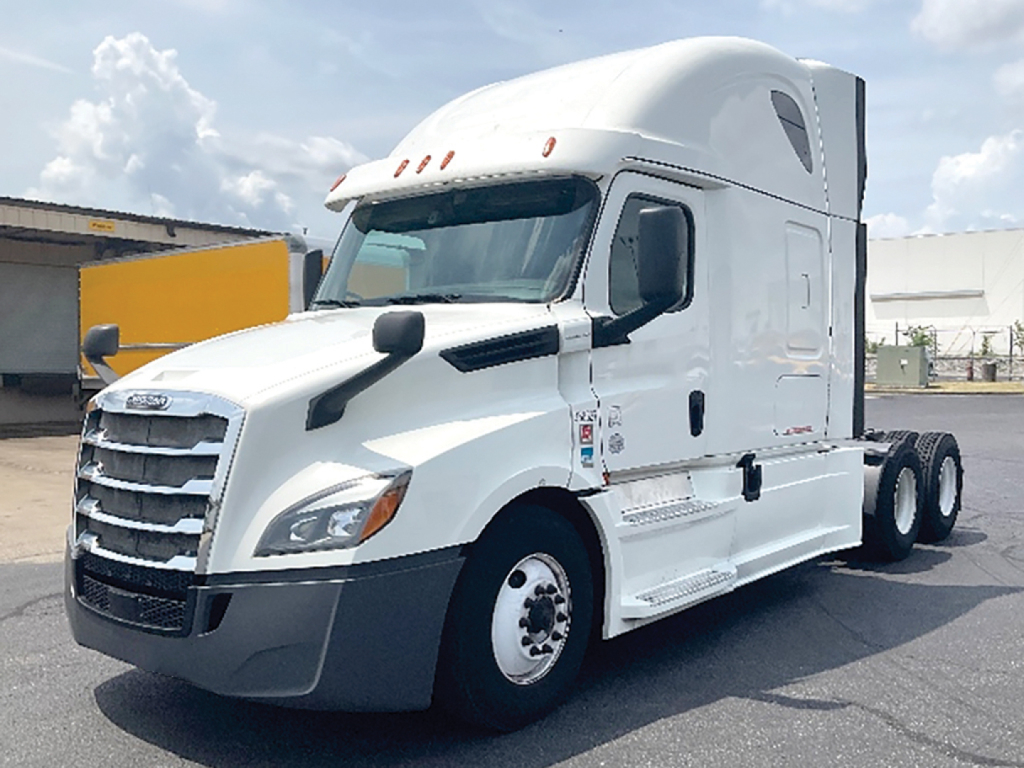
Showing 1 to 12 of 26 results
Have freightliner conventional sleeper truck to sell? List it here to reach thousands of buyers.
About Freightliner Conventional Sleeper Trucks in Nevada
The main buying decisions usually come down to engine, transmission, axle ratio, and sleeper layout. Freightliner sleeper trucks commonly show up with Detroit DD15 power, though Cummins ISX platforms are also found in some model years. Horsepower in this class often falls in the 400 to 505 HP range, which covers most 80,000-lb highway work. Automated manuals such as the Detroit DT12 are popular for fuel economy and driver acceptance, while 10-speed manuals still appeal to fleets and owner-operators who want a simpler drivetrain or already run manual spec trucks. Rear axle ratios like 2.15, 2.85, 3.08, and 3.31 make a real difference in cruise RPM, startability, and grade performance, so the right ratio depends on your trailer mix, terrain, and average gross weight.
Sleeper spec matters as much as drivetrain spec. A 72-inch raised-roof sleeper is common because it gives enough room for an upper bunk, storage, and better livability on extended trips. Buyers should also pay attention to practical items such as bunk heaters, APUs, fuel capacity, fairings, cab extenders, air-slide fifth wheels, and wheelbase, often in the high-220-inch range on road tractors in this class. Disc brakes, air ride suspension, low-profile 22.5 tires, and aluminum wheels are all common specs that affect ride quality, maintenance intervals, and operating cost. If the truck will stay in Nevada and the Southwest, cooling performance, APU condition, and idle-management equipment deserve extra attention because of long summer heat cycles and extended highway miles.
Freightliner conventional sleeper trucks remain popular because parts availability is strong, driver familiarity is high, and the Cascadia platform is widely supported across dealer and independent service networks. For a buyer comparing listings, the smartest approach is to match the truck to the lane. A lighter, more fuel-focused spec with a tall rear ratio may fit dry van freight on open interstate routes, while a heavier ratio and higher horsepower setup may be better for mountain grades, heavier reefer work, or mixed regional use. Service history, emissions system condition, brake type, and sleeper amenities usually matter more in day-to-day ownership than cosmetic differences.
Frequently Asked Questions
What is the most common Freightliner conventional sleeper truck model?
The Freightliner Cascadia is the most common conventional sleeper truck in this category. It is widely used in long-haul and regional fleet service because it combines aerodynamic body design, strong dealer support, and flexible specs for dry van, reefer, and general freight. Buyers will often see raised-roof sleeper versions with Detroit power, automated transmissions, and 40,000-lb rear axles.
Which engine and transmission combinations are common in Freightliner sleeper trucks?
Detroit DD15 engines paired with Detroit DT12 automated manual transmissions are among the most common combinations in newer Freightliner sleeper trucks. This setup is popular for fuel economy, shift consistency, and integration with the truck's electronic systems. Some older or mixed-fleet units may also have Cummins ISX engines and manual transmissions, which can appeal to buyers who prefer a more traditional drivetrain.
How important is rear axle ratio on a Freightliner conventional sleeper?
Rear axle ratio is one of the most important spec points because it directly affects cruise RPM, fuel economy, gradeability, and takeoff performance. Lower numerical ratios such as 2.15 or 2.85 are generally aimed at fuel-efficient highway use, while higher ratios like 3.08 or 3.31 can be better for heavier loads, rolling terrain, or routes with more starts and climbs. The right ratio depends on the weight you haul, the speed you run, and the terrain you cover.
What sleeper size is typical on a long-haul Freightliner tractor?
A 72-inch raised-roof sleeper is a very common long-haul spec on Freightliner conventional sleeper trucks. It offers enough room for rest, storage, and often an upper bunk for team operation or added flexibility. For buyers planning multi-day routes, the sleeper layout, storage design, bunk heater, and APU setup can be just as important as engine horsepower.
What should buyers inspect first on a used Freightliner sleeper truck?
Start with the engine and aftertreatment service history, transmission operation, brake condition, and signs of excessive idle hours or poor maintenance. On sleeper tractors, check the APU if equipped, bunk HVAC performance, fifth wheel slide operation, tire wear pattern, suspension condition, and any fault codes related to emissions or automated shifting. A clean spec sheet is helpful, but maintenance records and a proper inspection usually tell the real ownership story.