
Used Western Star Conventional Daycab Trucks For Sale in Texas
Browse used Western Star conventional daycab trucks in Texas. Compare specs, axle setups, engines, wheelbases, and vocational applications.
Learn more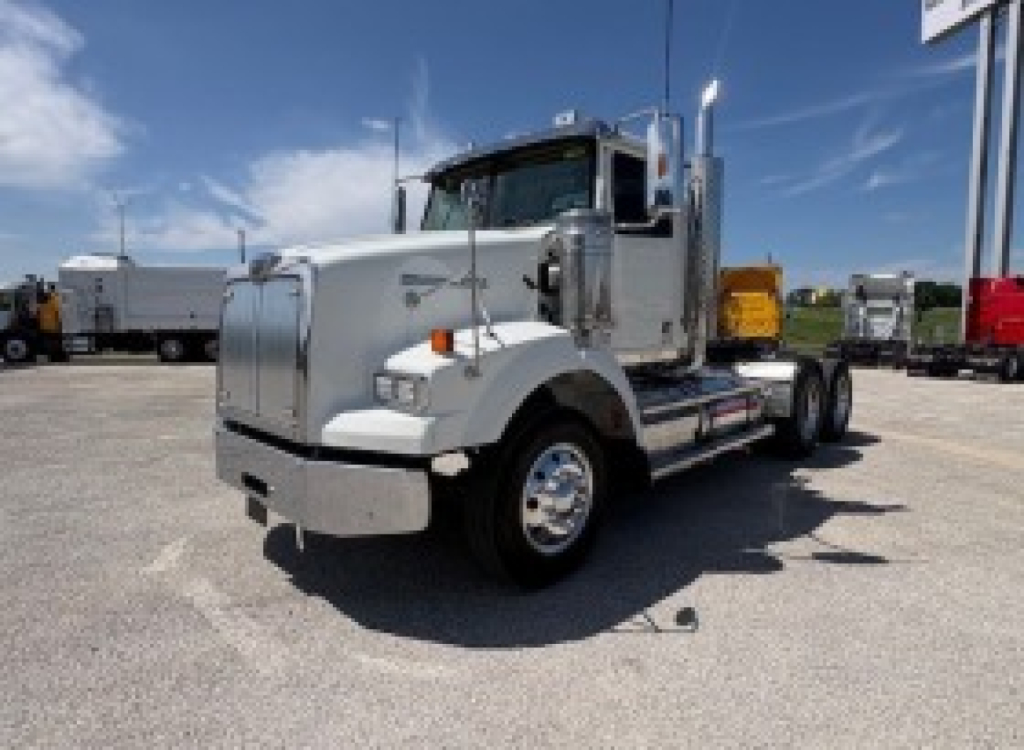
Have used western star conventional daycab truck to sell? List it here to reach thousands of buyers.
About Used Western Star Conventional Daycab Trucks in Texas
The first decision is usually the job the truck needs to do. Western Star conventional daycab trucks can be spec'd for highway tractor work, but many are configured for vocational service with set-forward or set-back front axles, heavy front ends, double-frame options, PTO capability, and higher GVWR or GCWR ratings. Buyers should pay close attention to axle configuration, suspension type, wheelbase, and transmission. A short wheelbase daycab is easier to maneuver on jobsites and in urban areas, while a longer wheelbase can improve ride quality and allow room for wet kits, headache racks, or other upfit needs. Common engine choices in this class include Detroit and Cummins diesel platforms paired with manual, automated manual, or automatic transmissions, depending on the application.
Cab and chassis condition matters more on a used vocational truck than the badge alone. Look closely at frame rails, crossmembers, suspension bushings, fifth wheel wear, PTO operation, steer axle capacity, and signs of hard off-road or heavy-haul use. In Texas, trucks that have spent time in energy, aggregate, or construction work may show more chassis wear even if the cab presents well. Maintenance records, engine hours, aftertreatment history, brake condition, and tire wear patterns can tell you more than odometer miles by themselves. If the truck will be used as a road tractor, verify rear axle ratio, fuel capacity, and kingpin-to-rear-axle dimensions for the trailers it will pull.
Western Star conventional daycabs also stand out for driver-friendly cab design, solid visibility, and a reputation for handling demanding vocational service. For many buyers, the value is in getting a premium heavy-duty platform that can still be configured for regional freight, dump, tanker, lowboy, or equipment-hauling work. The right used Western Star daycab comes down to matching the chassis spec to the route, load, and body or trailer requirements, not just finding the newest model year.
Frequently Asked Questions
What are used Western Star conventional daycab trucks best suited for?
Used Western Star conventional daycab trucks are commonly used for regional hauling and demanding vocational work such as construction, oilfield service, dump, tanker, equipment transport, and municipal applications. Their main advantage is a heavy-duty chassis in a shorter overall package than a sleeper tractor. That makes them practical for jobs requiring durability, tighter turning, easier ingress and egress, and frequent stops.
What should I check first on a used Western Star daycab?
Start with the chassis specification and overall wear pattern. Confirm axle ratings, wheelbase, suspension type, transmission, engine model, and any PTO or hydraulic setup. Then inspect frame condition, crossmembers, driveline, fifth wheel, brakes, tires, and suspension components. On used trucks, maintenance history, idle hours, aftertreatment repairs, and evidence of severe-duty use are often more important than mileage alone.
Are Western Star daycabs good for Texas vocational work?
Yes. Western Star conventional daycab trucks are a strong fit for Texas vocational service because they are commonly spec'd for heavy front axle loads, rough-site durability, and trailer-pulling capability. In Texas, buyers often use them in oilfield, aggregate, construction, and regional freight operations where a robust frame, dependable drivetrain, and service-friendly layout are priorities.
Which specs matter most when buying a Western Star conventional daycab?
The most important specs depend on the intended use, but buyers usually focus on engine and transmission pairing, axle configuration, wheelbase, rear axle ratio, suspension, and GVWR or GCWR. If the truck will pull trailers, kingpin settings, fifth wheel placement, and fuel capacity also matter. If it will support vocational equipment, PTO compatibility, frame strength, and available space for hydraulics or body equipment become critical.
What is the difference between a daycab and a sleeper on a Western Star conventional truck?
A daycab has no sleeper compartment, so it is shorter, lighter, and generally better suited for local or regional routes and vocational work. A sleeper model adds living space for over-the-road use but increases overall length and weight. Buyers choosing a used Western Star daycab are usually prioritizing payload, maneuverability, and jobsite practicality over long-distance driver accommodations.