
Western Star Conventional Daycab Trucks For Sale in Texas
Shop Western Star conventional daycab trucks in Texas. Compare heavy-duty specs, axle setups, engines, and vocational-ready configurations.
Learn more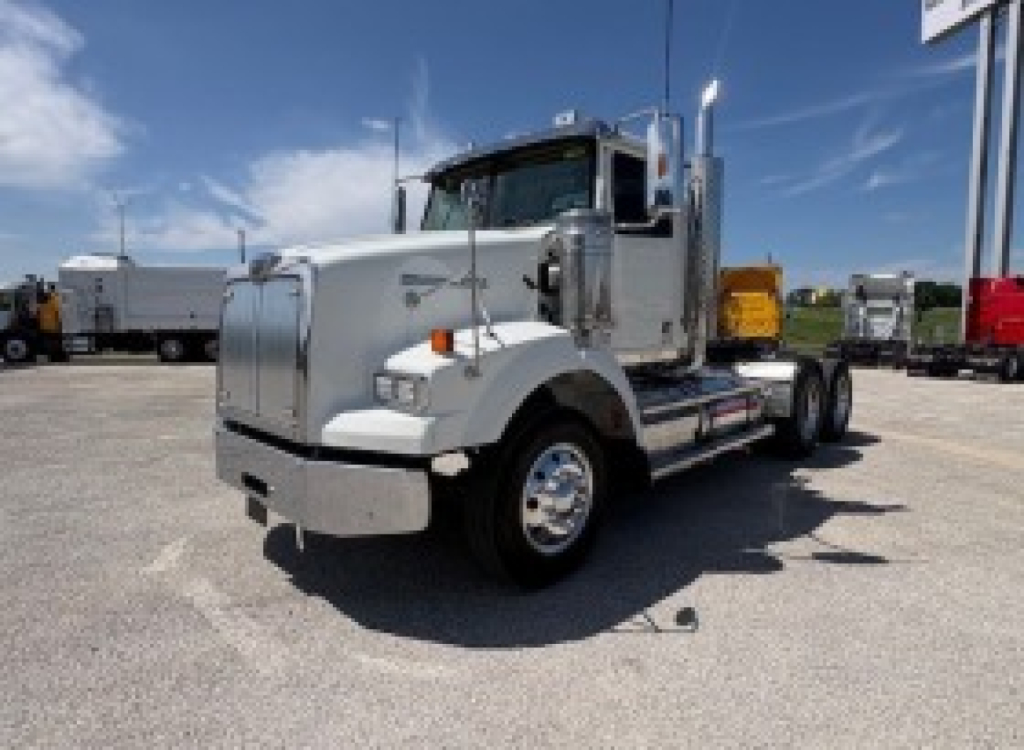
Have western star conventional daycab truck to sell? List it here to reach thousands of buyers.
About Western Star Conventional Daycab Trucks in Texas
Within the Western Star lineup, buyers often focus on models such as the 4900 when they need a conventional tractor with a rugged chassis and straightforward serviceability. Common spec points include set-forward or set-back front axles, tandem or tri-axle configurations, locking differentials, high-horsepower diesel engines, and manual, automated manual, or full automatic transmissions depending on the application. Wheelbase, fifth wheel placement, suspension type, and PTO provisions all matter if the truck will pull end dumps, lowboys, hopper trailers, or specialized vocational equipment. Frame rail options and axle capacity are especially important on trucks expected to handle severe-duty environments.
A good buyer comparison starts with the job, not just the badge on the hood. For regional freight, look at fuel capacity, rear axle ratio, and cab ergonomics for frequent stops and driver turnover. For heavy haul or construction support, pay attention to front axle capacity, suspension ratings, double-frame availability, brake specification, and tire size. Western Star daycabs are often chosen because they balance driver comfort with a work-truck build philosophy, and many are spec'd with practical details like air-ride seats, full locking rears, heavy-duty hitches, headache racks, and vocational lighting packages.
Condition and prior application should drive the final decision on a used Western Star conventional daycab. A fleet-maintained highway tractor can be very different from a truck that spent its life in severe off-road service, even if the model is the same. Buyers should review engine hours, idle time, service records, suspension wear, driveline condition, emissions system history, and signs of frame or fifth wheel stress. In Texas, where trucks often see high temperatures, dusty conditions, and heavy vocational cycles, maintenance history and proper spec matching can tell you more than model year alone.
Frequently Asked Questions
What is a Western Star conventional daycab truck best suited for?
A Western Star conventional daycab is best suited for regional hauling, local freight, construction support, oilfield work, heavy haul, and other applications that do not require overnight sleeper space. The daycab layout improves maneuverability, reduces empty weight, and often fits operations with frequent stops, yard moves, or jobsite access. Western Star is especially well known in severe-duty and vocational applications where chassis strength, axle capacity, and serviceability are major priorities.
Which specs matter most when buying a used Western Star daycab in Texas?
The most important specs usually include engine rating, transmission type, rear axle ratio, front and rear axle capacity, wheelbase, suspension, and frame configuration. In Texas, buyers should also pay close attention to cooling system condition, air conditioning performance, tire wear, brake condition, and service history because trucks often operate in high heat and demanding environments. If the truck will be used in construction or oilfield service, PTO setup, locking differentials, and heavy-duty suspension options can be just as important as horsepower.
Is the Western Star 4900 a good choice for heavy-duty daycab work?
The Western Star 4900 is widely recognized as a strong platform for heavy-duty daycab applications because it is commonly spec'd with robust frames, high axle ratings, and powerful driveline options. It is often used in heavy vocational service, including lowboy, dump, and specialized hauling applications. The right truck still depends on how it was configured from new, so buyers should verify axle capacities, wheelbase, suspension, and transmission against the intended workload rather than relying on model name alone.
What should buyers inspect on a used conventional daycab truck?
Buyers should inspect maintenance records, engine and transmission performance, emissions system history, suspension wear, brake components, steering play, driveline condition, and any evidence of frame damage or fifth wheel stress. Tire condition and uneven wear can reveal alignment or suspension issues. For vocational trucks, it is also important to inspect PTO equipment, hitch systems, hydraulic hookups, and signs of excessive off-road use, because severe-duty work can accelerate wear in ways that may not be obvious from mileage alone.