
New Volvo Conventional Daycab Trucks For Sale in Oklahoma
Shop new Volvo conventional daycab trucks in Oklahoma. Compare VNL specs, D13 power, axle ratings, and configurations for regional hauling.
Learn more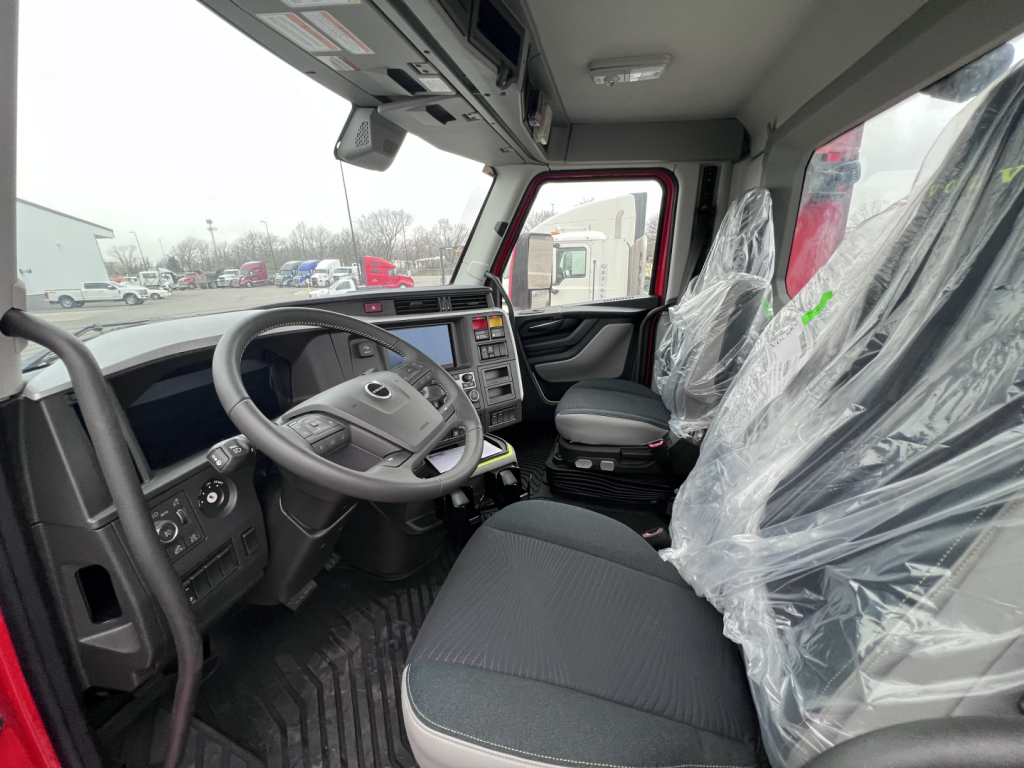
Have new volvo conventional daycab truck to sell? List it here to reach thousands of buyers.
About New Volvo Conventional Daycab Trucks in Oklahoma
One of the first spec choices is engine and transmission. Many new Volvo daycabs are equipped with the Volvo D13, including higher-efficiency turbo compound ratings in the mid-400 horsepower range, paired with the Volvo I-Shift automated manual transmission. That combination is popular because it delivers strong low-RPM torque, consistent shift logic, and good fuel economy in regional service. For buyers comparing listings, pay close attention to horsepower and torque ratings, rear axle ratio, and whether the truck is set up for mileage-focused highway use or heavier vocational-style pulling. Front axle ratings around 12,000 to 12,500 pounds and tandem rear ratings around 40,000 pounds are common on highway tractors, but the right spec depends on trailer type, payload, and local bridge and licensing requirements.
Volvo daycabs also stand out for driver environment and safety technology. The cab is designed for easy entry and exit, good outward visibility, and a quieter interior than many buyers expect in a work-focused tractor. Features often found on new units include advanced driver assistance systems, integrated powertrain controls, and aerodynamic packages that help on longer regional runs. If the truck will spend most of its time in tight yards or urban delivery points, look at wheelbase, back-of-cab clearance, fairing setup, and turning radius. If it will pull van, reefer, or tanker trailers at highway speed, aerodynamics, suspension choice, and fuel tank capacity become bigger decision points.
For Oklahoma operations, it is smart to match the daycab to the route profile and commodity. A lighter, more aerodynamic spec can make sense for dry van and reefer lanes running I-35, I-40, and I-44. Heavier axle and suspension specs may be better for bulk commodities, tank, or frequent short-haul work with high gross weights. A new Volvo conventional daycab appeals to buyers who want a modern regional tractor with strong resale appeal, efficient powertrain options, and a driver-friendly cab. The best listings are the ones where the engine rating, transmission, axle package, and wheelbase all fit the actual work instead of simply meeting a price point.
Frequently Asked Questions
What is a Volvo conventional daycab truck best used for?
A Volvo conventional daycab is best suited for regional hauling, local delivery, dedicated route work, drayage, tanker, and other operations where the driver returns home daily. The conventional hood design gives easier engine access for service, and the daycab layout reduces weight and overall length compared with a sleeper tractor. That makes it a practical choice for fleets that want a highway-capable truck without carrying the extra cost and space of a sleeper.
What engine and transmission are common in new Volvo daycab trucks?
Many new Volvo daycab tractors use the Volvo D13 engine with the Volvo I-Shift automated manual transmission. A rating around 455 horsepower is common in regional fleet specs because it provides a strong balance of fuel economy and pulling power. Buyers should also compare torque output, rear axle ratio, and transmission programming, since those details affect launch performance, cruise RPM, gradeability, and fuel consumption more than horsepower alone.
How do I choose the right axle ratings for a Volvo daycab?
Axle ratings should match the trailer, payload, and gross combined weight the truck will handle regularly. A front axle around 12,000 to 12,500 pounds and tandem rears at 40,000 pounds are common for highway daycab tractors, but heavier applications may call for different specs. If the truck will haul dense freight, bulk commodities, or tank loads, verify that the suspension, frame, wheelbase, and legal weight distribution all support the intended operation.
Is a Volvo daycab a good fit for Oklahoma trucking operations?
Yes, a Volvo daycab can be a strong fit for Oklahoma operations because it works well across interstate regional lanes, metro pickups and deliveries, and mixed-duty freight cycles. Buyers should consider heat management, crosswind stability, and how the truck is geared for both highway cruising and frequent starts and stops. The right specification for Oklahoma often depends on whether the truck is running long regional miles, oilfield-related support work, or shorter heavy-haul routes.
What should I compare when looking at new Volvo VNL daycab listings?
Start with the powertrain, including engine rating, transmission, and rear axle ratio. Then compare wheelbase, front and rear axle capacities, suspension, fuel capacity, and any aerodynamic or safety equipment. It is also important to look at practical details such as fifth wheel setup, back-of-cab clearance, and how the cab and chassis dimensions will fit the trailers and routes the truck is expected to handle.