
Sterling Conventional Daycab Trucks For Sale in New York
Browse Sterling conventional daycab trucks with spec insights on engines, axle setups, wheelbase, PTO options, and vocational use.
Learn more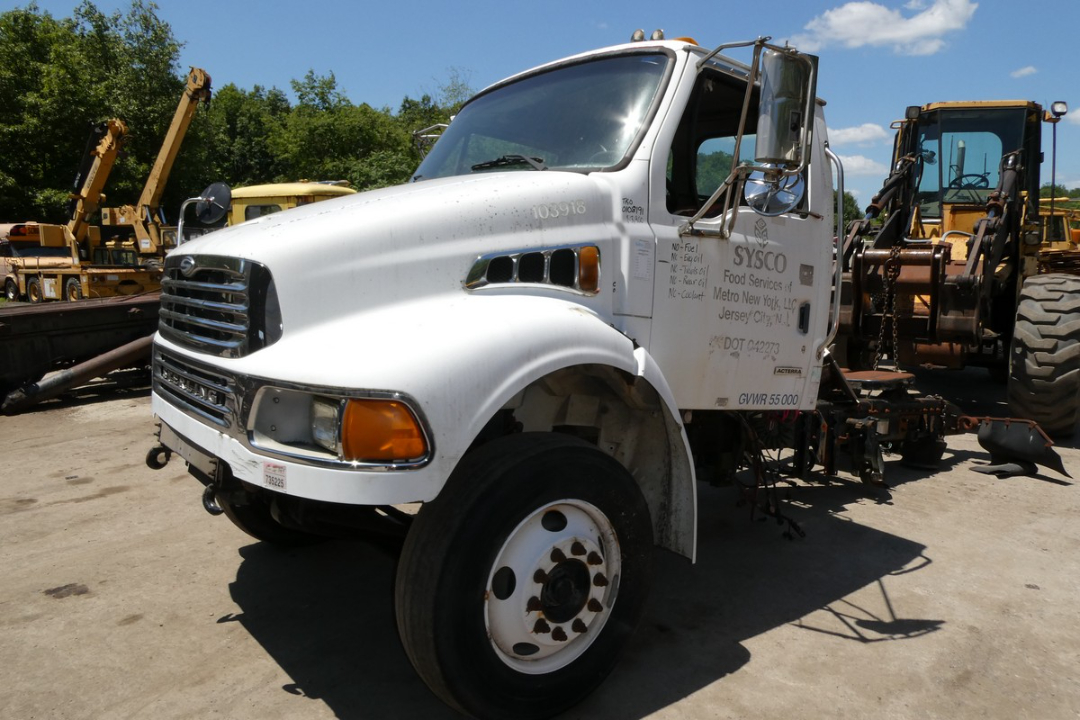
Have sterling conventional daycab truck to sell? List it here to reach thousands of buyers.
About Sterling Conventional Daycab Trucks in New York
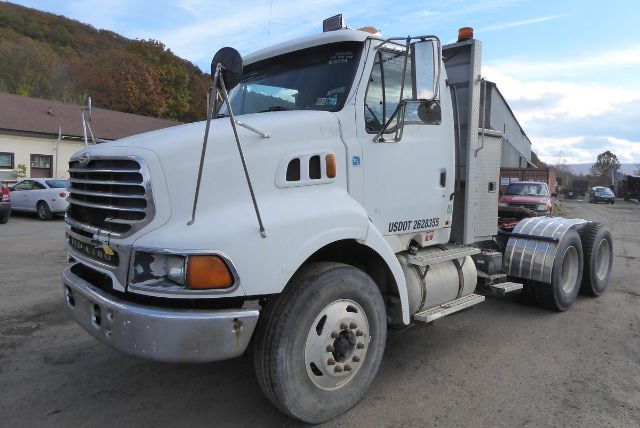
The first decision is usually chassis type and drivetrain. A tandem-axle Sterling daycab with a 40,000 lb rear and ratios in the 3.90 range fits heavier regional tractor work and mixed highway use, while a lighter single-axle truck with a shorter wheelbase and deeper gearing can make more sense for municipal, local delivery, or specialty body applications. Wheelbase, cab-to-axle, and cab-to-end dimensions matter if the truck may be converted, fitted with equipment, or used with a fixed or sliding fifth wheel. PTO provisions are also important on Sterling daycabs because many were ordered for hydraulic systems, wet kits, or vocational attachments.
Engine and transmission choices affect operating cost as much as performance. Older Sterling conventionals are often powered by engines like the Caterpillar C12 or Cummins ISC, with horsepower spread wide enough to cover medium-duty and heavy vocational needs. A Fuller 9-speed or similar manual remains attractive for buyers who want a simple, serviceable drivetrain, while an Allison automatic can be a better fit in stop-and-go service. Pay attention to engine brake spec, cooling system condition, air-to-air setup, and rear axle rating, especially if the truck will work in New York traffic, mixed terrain, or heavier gross weights. Suspension type also changes the truck’s role. Four-bag air ride is a better choice for ride quality and highway manners, while more basic vocational suspensions may favor durability and load control.
On used Sterling daycab trucks, condition matters more than badge familiarity. Check frame configuration, corrosion around cab mounts and crossmembers, electrical integrity, brake wear, steering play, and the availability of replacement parts tied to the engine, transmission, and axle brands on the truck. Sterling trucks were built with many mainstream components, which helps serviceability, but the exact spec determines long-term value. A buyer comparing listings should look closely at GVWR, front and rear axle ratings, tire size, wheel type, and whether the truck was previously used as a road tractor, municipal unit, or PTO-equipped vocational chassis. The best Sterling conventional daycab is the one whose wheelbase, gearing, suspension, and powertrain match the job without requiring expensive reconfiguration.
Frequently Asked Questions
What are Sterling conventional daycab trucks typically used for?
Sterling conventional daycab trucks are typically used for local and regional hauling, vocational tractor work, municipal service, equipment transport, and short-run freight where a sleeper cab is not needed. Many were also ordered with PTO capability for hydraulic applications, which makes them relevant for wet line service, specialty hauling, and certain body or trailer setups. The exact use depends heavily on axle configuration, wheelbase, and drivetrain spec.
What engines and transmissions are common in Sterling daycab trucks?
Common engine choices in Sterling daycab trucks include Caterpillar and Cummins diesel platforms, especially engines such as the Cat C12 and Cummins ISC in older used units. Transmission choices often include Eaton Fuller manual gearboxes for heavy-duty regional and vocational work, along with Allison automatic transmissions in medium-duty or stop-and-go applications. Buyers should evaluate horsepower, torque, engine brake equipment, and service history rather than focusing only on make and model.
How do I choose between a single-axle and tandem-axle Sterling daycab?
A single-axle Sterling daycab is usually a better fit for lighter GVWR applications, local delivery, municipal service, or routes where maneuverability and lower empty weight matter most. A tandem-axle 6x4 truck is more appropriate for heavier freight, higher kingpin weight, mixed highway use, and vocational tractor applications that need more traction and rear axle capacity. The decision should be based on legal payload, intended trailer type, and whether the truck needs PTO or heavy suspension components.
What should I inspect on a used Sterling conventional daycab truck?
Key inspection points include frame condition, rust around cab mounts and suspension hangers, brake and steering wear, air system leaks, fifth wheel condition, driveline play, and the operation of engine and transmission electronics. On vocational-spec trucks, confirm PTO function, hydraulic plumbing, and any modifications to the frame or rear of cab area. Because Sterling trucks often use components from major suppliers, the serviceability is usually tied more to the installed engine, transmission, axles, and suspension than to the cab badge alone.
Are Sterling daycab trucks good for vocational and PTO applications?
Yes, many Sterling daycab trucks are well-suited for vocational and PTO applications because they were commonly spec'd with single frames or vocational chassis layouts, manual transmissions, air-operated PTO controls, and heavy rear axles. Buyers should verify PTO opening compatibility, transmission model, frame space, hydraulic pump setup, and cab-to-axle dimensions before purchase. A truck already configured for the intended hydraulic or specialty use can save substantial money compared with reworking a highway tractor spec.